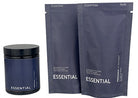
- Customized for You
Vitamin B12
30 days | 1 tablet a day
Energy
Blood
Brain
Nerves
- Change or cancel anytime, no binding
- We adjust your formula based on how you feel
- 28 Biodegradable daily packs
- Low-waste refill option
- Personal food, lifestyle plans and more included
Your Personal Plan, Fairly Priced
Transparent, volume-based pricing that rewards you for building a complete plan.
Most supplement companies charge the same per product whether you buy one or ten. We think that's unfair — packaging, shipping, and handling costs are shared across your entire order.
How it works: The more products in your personalized plan, the lower the cost of each one. Shared costs like daily pouches, your dispenser box, and shipping are split across everything in your box.
No hidden fees. No inflated single-product pricing to make bundles look like deals. Just honest math.
How does this look in practice?
Packaging costs like your biodegradable pouches, dispenser box, and shipping are split across all products. Fewer products = higher cost each. More products = lower cost each. Simple.
Free shipping on orders over €70
90-day money-back guarantee
Try your supplements for 90 days. If they are not right for you, you get your money back.
How it works
- Email support@persona-path.com or write to us in the live chat within 90 days of your order.
- Send your order number and tell us what did not work for you.
- We refund the full amount to your original payment method within 5 business days of approving it. There is nothing to send back.
Good to know
The guarantee covers your first order: one product or bundle per customer. It does not apply to repeat purchases of the same product.
Separately, EU and Danish law give you a 14-day right of withdrawal. The full details are in our refund policy. Read the full refund policy
Each capsule typically provides:
Per Portion - *NRV
- Vitamin B12- 1.000μg - (40.000 % NRV*)
*Nutrient Reference Value
Ingredients
Ingredients:
Bulking agent (Dicalcium phosphate, Microcrystalline Cellulose), Anti-caking agent (Magnesium stearate), Vitamin B12 (Cynocobalamin).
Allergens
Allergens:
Although rigorous precautions are taken to prevent any cross-contamination, this product is manufactured in a facility that handles allergy-based materials. Manufactured in a facility that also handles milk.
Disclaimer
Disclaimer:
Always consult your health practitioner before taking nutritional supplements, especially if you are taking medication or are under medical supervision. Not recommended for children, pregnant or lactating women. You should not take supplements as a substitute for a varied balanced diet or healthy lifestyle. Store in a cool dry place, out of reach of children.
Take 1 capsule per day, with a glass of water or a meal.
Do not exceed recommended dose.
Vitamin B12 is essential for energy metabolism. Many people find it slightly stimulating, so taking it in the morning helps power your day. A high dose late in the evening can sometimes interfere with falling asleep.
B12 is water-soluble and does not need fat to be absorbed. Taking it on an empty stomach, about 30 minutes before food or 2 hours after, gives a high dose the best chance of being absorbed.
If a high dose makes you feel jittery or gives you an upset stomach, take it with a light breakfast. It still works, even if absorption is slightly slower.
Delivery time begins after the carrier receives your package.
The Persona
Promise
- No marketing claims.
- Benefits approved by EU authorities.
At Persona we don't use marketing claims.
Every health benefit you see is approved by european authorities and backed by science.
It's how we build trust.
Learn more about Vitamin B12- Contributes to normal red blood cell formation.*
- Has a role in cell division.*
- Vitamin B12 contributes to normal red blood cell formation.*
- Vitamin B12 has a role in the process of cell division.*
- Contributes to normal nervous system function.*
- And normal psychological function.*
- Vitamin B12 contributes to normal functioning of the nervous system.*
- Vitamin B12 contributes to normal psychological function.*
- Contributes to normal energy-yielding metabolism.*
- And to reducing tiredness and fatigue.*
- Vitamin B12 contributes to normal energy-yielding metabolism.*
- Vitamin B12 contributes to the reduction of tiredness and fatigue.*
- Vitamin B12 contributes to the normal function of the immune system.*
Behind the ingredients in Vitamin B12
Studies
Behind the ingredients in Vitamin B12
Loading the studies ...


Understanding Bioavailability
Why the form of a vitamin matters as much as the vitamin itself
The Restaurant Example
Imagine ordering salmon at a restaurant. The menu says "salmon", but what arrives could be perfectly grilled, raw, or still wrapped in plastic. Technically all salmon, but only one is actually nourishing.
Vitamins work the same way. A label might say "Vitamin C 1000 mg," but that vitamin could be in a form your body barely absorbs, or one it uses efficiently. The form determines whether your body can actually use what you're taking.
What Is Bioavailability?
Bioavailability is the amount of a nutrient that actually enters your bloodstream and reaches your cells.
If you take 100 mg of a vitamin but only 20 mg gets absorbed, the bioavailability is 20%. The rest passes through unused.
What affects bioavailability:
- The chemical form of the vitamin
- Your individual gut health and genetics
- What you eat alongside the supplement
Common Vitamin Forms Explained
Methylated Vitamins (Active Forms)
Some people struggle to convert standard vitamins into their active, usable forms due to genetic variations. Methylated vitamins skip that step; they're already active.
Example: Methylcobalamin (B12) vs Cyanocobalamin
- Methylcobalamin Active form, immediately usable
- Cyanocobalamin Synthetic, requires conversion (which 40-60% of people struggle with due to MTHFR gene variants)
Common forms: Methylfolate (5-MTHF), methylcobalamin (B12), P-5-P (B6)
Natural vs Synthetic
"Natural" doesn't automatically mean better; it depends on the specific vitamin.
Example: Vitamin E
- Natural (d-alpha-tocopherol): Derived from plants, more biologically active
- Synthetic (dl-alpha-tocopherol): Contains 8 forms, only one your body prefers
Example: Vitamin C
- Ascorbic acid (synthetic) is molecularly identical to natural vitamin C and equally effective
- Liposomal vitamin C: Wrapped in fat bubbles for enhanced absorption and higher blood levels
Fat-Soluble vs Water-Soluble
Fat-soluble vitamins (A, D, E, K) need fat to be absorbed. Taking them with food containing healthy fats significantly improves uptake.
Water-soluble vitamins (B, C) dissolve in water and are absorbed more easily, but excess is excreted quickly, making sustained-release forms sometimes beneficial.
What "Bioavailable" Actually Means on a Label
When we say "bioavailable form," we mean:
- Active forms that don't require conversion (methylated B vitamins)
- Forms with proven absorption backed by scientific research
- Enhanced delivery systems (like liposomal technology)
What it shouldn't mean: vague marketing language without specifics.
Red flags to watch for:
- No specific form listed (just "Vitamin B12" without the type)
- "Proprietary blends" that hide ingredient amounts
- Claims without any absorption data
The Bottom Line
A cheaper supplement with poor bioavailability isn't a bargain. The best supplements aren't about taking more; they're about absorbing what you take.
What to look for:
- Specific forms clearly listed on the label
- Science-backed forms (methylated, chelated, liposomal)
- Transparency about dosages and sources
At Persona, we choose forms based on scientific evidence for absorption, not what's cheapest to manufacture. Because if your body can't use it, what's the point?
References: EFSA scientific opinions on bioavailability; NIH Office of Dietary Supplements; peer-reviewed studies on vitamin absorption and forms (available upon request).
More than just Supplements
Bioavailable Nutrients
How to Use:
- Take 1 capsule per day, with a glass of water or a meal.
The Benefits of Vitamin B12
Methylated Form
Vitamin B12 (Methylcobalamin) is essential for energy production, nerve health, and red blood cell formation. It plays a vital role in converting food into energy and maintaining healthy neurological function. B12 is also crucial for DNA synthesis and helps prevent megaloblastic anaemia, a condition that can cause fatigue and weakness due to large, improperly formed red blood cells.
Key Highlights
- Supports normal energy-yielding metabolism (EFSA approved)
- Contributes to the reduction of tiredness and fatigue (EFSA approved)
- Supports normal psychological function (EFSA approved)
- Contributes to normal nervous system function (EFSA approved)
- Supports normal red blood cell formation (EFSA approved)
- Contributes to normal homocysteine metabolism (EFSA approved)
Biochemistry Timeline
Vitamin B12 supplementation may take 4 to 8 weeks to show noticeable benefits, particularly in those with a deficiency. Improvements can include enhanced energy levels, better mood, increased cognitive clarity, and improved nerve function. B12 is stored in the liver, so building up adequate reserves takes time. For those with diagnosed deficiency, healthcare providers may recommend higher initial doses to replenish stores more quickly.
Because B12 is water-soluble, your body uses what it needs and excretes the rest, making it generally well-tolerated even at higher supplementation levels.
Mood and Psychological Function
B12 plays a supportive role in the production of serotonin, often referred to as our "feel-good" neurotransmitter, which is closely linked to mood, emotions, and sleep.
Researchers have found evidence that a decrease in vitamin B12 correlates with an increase in depressive symptoms. One study also suggests that adequate B12 status may be associated with better treatment outcomes for depression (Coppen & Bolander-Gouaille, 2005; Penninx et al., 2000; Syed et al., 2013).
EFSA recognises that vitamin B12 contributes to normal psychological function. While more research is needed to fully understand the relationship between B12 and mood, ensuring adequate intake is a sensible first step towards supporting emotional well-being.
Nerve Health and DNA Synthesis
B12 supports the normal functioning of nerve cells and plays a pivotal role in DNA synthesis. One of its most important functions is aiding in the formation of myelin, the protective sheath that surrounds nerves and facilitates efficient nerve signalling.
When B12 levels are low, myelin production can be disrupted, potentially leading to impaired nervous system function. Neurological symptoms of deficiency can include numbness, tingling, and difficulty with balance (Langan & Goodbred, 2017; O'Leary & Samman, 2010).
EFSA confirms that vitamin B12 contributes to normal functioning of the nervous system and has a role in the process of cell division, which includes DNA synthesis. Ensuring adequate B12 intake is particularly important for maintaining long-term nerve health.
Summary
Vitamin B12 (Methylcobalamin) is crucial for energy production, nerve health, and red blood cell formation. It helps convert food into energy, prevents megaloblastic anaemia, and supports DNA synthesis. Supplementation may take 4 to 8 weeks to show benefits, including improved energy, better mood, clearer thinking, and enhanced nerve function.
B12 is primarily found in animal products, making vegans and vegetarians particularly susceptible to deficiency. Symptoms of low B12 can include fatigue, weakness, and cognitive difficulties. For those at risk, supplementation offers a practical and well-supported way to maintain optimal B12 levels and overall well-being.
FAQs
Who should consider vitamin B12 supplementation?
People at higher risk of deficiency include vegetarians, vegans, older adults, and those with conditions affecting nutrient absorption (such as coeliac disease or Crohn's disease). If you fall into any of these groups, supplementation can be a practical way to maintain adequate levels.
What are the signs of vitamin B12 deficiency?
Common symptoms may include persistent fatigue, weakness, pale skin, numbness or tingling in hands and feet, difficulty with balance, and cognitive difficulties such as poor concentration or memory. If you experience these symptoms, it is worth speaking with your healthcare provider.
Are there any side effects of vitamin B12 supplementation?
Vitamin B12 is generally considered safe and well-tolerated. Because it is water-soluble, excess amounts are typically excreted by the body. In rare cases, very high doses may cause mild effects such as digestive discomfort.
Can vitamin B12 interact with medications?
B12 can interact with certain medications, including metformin (commonly used for diabetes) and proton pump inhibitors (acid-reducing drugs). If you take any regular medication, consult your healthcare provider before starting supplementation.
Is vitamin B12 safe during pregnancy?
Yes, adequate B12 is important for healthy fetal development. Pregnant and breastfeeding women should ensure sufficient intake, and supplementation may be particularly relevant for those following plant-based diets. Always consult your healthcare provider for guidance on appropriate dosage during pregnancy.
Research
B12 & cognition review — ScienceDirect (2025). [Narrative review]. https://www.sciencedirect.com/science/article/pii/S266645932500040X
Cureus - Neurological Sequelae SR (2025). [Systematic Review]. https://pmc.ncbi.nlm.nih.gov/articles/PMC12143585/
Habtie TE et al. – Oxidative medicine and cellular longevity (2025). [Systematic review]. https://pubmed.ncbi.nlm.nih.gov/40458194/
Ulloque-Badaracco JR et al. – Frontiers in public health (2025). [Meta-analysis]. https://pubmed.ncbi.nlm.nih.gov/39991695/
Castillo LF et al. – Annual review of nutrition (2025). [Review]. https://pubmed.ncbi.nlm.nih.gov/40315282/
Janko RK et al. – American journal of health promotion : AJHP (2025). [Systematic review]. https://pubmed.ncbi.nlm.nih.gov/39136672/
Verduci E et al. – Journal of pediatric gastroenterology and nutrition (2025). [Systematic review]. https://pubmed.ncbi.nlm.nih.gov/40819279/
Deng XL et al. – Frontiers in endocrinology (2025). [Systematic review]. https://pubmed.ncbi.nlm.nih.gov/40612436/
Shen et al — Oncologist (2025). [Randomized Controlled Trial]. https://doi.org/10.1093/oncolo/oyaf262
de Rozas et al — Nutrients (2025). [Randomized Controlled Trial]. https://doi.org/10.3390/nu17132227
Maciejczyk et al — Biomed Pharmacother (2025). [Systematic Review]. https://doi.org/10.1016/j.biopha.2025.118743
Colucci et al — Mov Disord Clin Pract (2025). [Randomized Controlled Trial]. https://doi.org/10.1002/mdc3.70231
Niklewicz et al. — meta-analysis (2024). [SR + meta-analysis]. https://pubmed.ncbi.nlm.nih.gov/39373282/
Vegan B12 scoping review (2024). [Scoping review]. https://pmc.ncbi.nlm.nih.gov/articles/PMC11124153/
Sandoval Leiva T et al. – Nutricion hospitalaria (2024). [Meta-analysis]. https://pubmed.ncbi.nlm.nih.gov/38896115/
Abdelwahab OA et al. – Irish journal of medical science (2024). [Systematic review]. https://pubmed.ncbi.nlm.nih.gov/38231320/
Desmond MA et al. – Nutrients (2024). [Systematic review]. https://pubmed.ncbi.nlm.nih.gov/38474851/
Zhang N et al. – Clinical nutrition (Edinburgh, Scotland) (2024). [Systematic review]. https://pubmed.ncbi.nlm.nih.gov/38824900/
Bekdash RA – International journal of molecular sciences (2024). [Review]. https://pubmed.ncbi.nlm.nih.gov/38612845/
Tey et al — Nutrients (2024). [Randomized Controlled Trial]. https://doi.org/10.3390/nu16152495
Savic-Hartwig et al — Int J Vitam Nutr Res (2024). [Randomized Controlled Trial]. https://doi.org/10.1024/0300-9831/a000777
Christine et al — J Parkinsons Dis (2024). [Randomized Controlled Trial]. https://doi.org/10.3233/JPD-240035
Blom et al — Psychopathology (2024). [Systematic Review]. https://doi.org/10.1159/000540003
Seage et al — Food Nutr Bull (2024). [Systematic Review]. https://doi.org/10.1177/03795721241227016
Jawara et al — Surg Obes Relat Dis (2024). [Systematic Review]. https://doi.org/10.1016/j.soard.2023.09.022
German cross-sectional — Annals of Medicine (2023). [Cross-sectional]. https://www.tandfonline.com/doi/full/10.1080/07853890.2023.2269969
Alruwaili M et al. - Healthcare (2023). [Systematic Review & Meta-Analysis]. https://pubmed.ncbi.nlm.nih.gov/37046885/
Jensen CF – Nutrition reviews (2023). [Meta-analysis]. https://pubmed.ncbi.nlm.nih.gov/36413044/
Neufingerl N et al. – Nutrients (2023). [Systematic review]. https://pubmed.ncbi.nlm.nih.gov/37892416/
Manapurath R et al. – The Journal of nutrition (2023). [RCT]. https://pubmed.ncbi.nlm.nih.gov/36889645/
Fardous AM et al. – Nutrients (2023). [Review]. https://pubmed.ncbi.nlm.nih.gov/37960352/
Heilfort L et al. – Nutrition and cancer (2023). [Systematic review]. https://pubmed.ncbi.nlm.nih.gov/35819060/
Modica JS et al. – Journal of the neurological sciences (2023). [Systematic review]. https://pubmed.ncbi.nlm.nih.gov/37210937/
Zhou et al — Nutr Hosp (2023). [Randomized Controlled Trial]. https://doi.org/10.20960/nh.04394
Domínguez-López et al — Clin Nutr (2023). [Randomized Controlled Trial]. https://doi.org/10.1016/j.clnu.2023.10.025
Clements M et al. – Journal of bone and mineral research : the official journal of the American Society for Bone and Mineral Research (2022). [RCT]. https://pubmed.ncbi.nlm.nih.gov/36128889/
McMullin PR et al. – Current pain and headache reports (2022). [Systematic review]. https://pubmed.ncbi.nlm.nih.gov/35794449/
Chinzon et al — Arq Gastroenterol (2022). [Meta-Analysis]. https://doi.org/10.1590/S0004-2803.202202000-40
van Soest et al — Eur J Nutr (2022). [Randomized Controlled Trial]. https://doi.org/10.1007/s00394-022-02924-w
Rogers et al. — meta-analysis (2021). [Meta-analysis]. https://pubmed.ncbi.nlm.nih.gov/33809274/
Nalder et al. — Nutrients (2021). [Systematic review & MA]. https://pubmed.ncbi.nlm.nih.gov/34371786/
Rashid S et al. – European journal of haematology (2021). [Meta-analysis]. https://pubmed.ncbi.nlm.nih.gov/33341967/
Anamnart C et al. – Journal of clinical neuroscience : official journal of the Neurosurgical Society of Australasia (2021). [RCT]. https://pubmed.ncbi.nlm.nih.gov/33992189/
Neufingerl N et al. – Nutrients (2021). [Systematic review]. https://pubmed.ncbi.nlm.nih.gov/35010904/
Karcz K et al. – Critical reviews in food science and nutrition (2021). [Systematic review]. https://pubmed.ncbi.nlm.nih.gov/32319307/
Stein J et al. – European journal of neurology (2021). [Meta-analysis]. https://pubmed.ncbi.nlm.nih.gov/33619867/
Chen et al — J Prev Alzheimers Dis (2021). [Randomized Controlled Trial]. https://doi.org/10.14283/jpad.2021.22
Li et al — Ophthalmic Res (2021). [Systematic Review]. https://doi.org/10.1159/000519247
Rubini et al — Genes (Basel) (2021). [Systematic Review]. https://doi.org/10.3390/genes12101634
Perła-Kaján et al — J Alzheimers Dis (2021). [Randomized Controlled Trial]. https://doi.org/10.3233/JAD-210137
Olagunju et al — J Frailty Aging (2021). [Systematic Review]. https://doi.org/10.14283/jfa.2020.64
Sawangjit R et al. – Journal of alternative and complementary medicine (New York, N.Y.) (2020). [Meta-analysis]. https://pubmed.ncbi.nlm.nih.gov/32716261/
Li X et al. – International journal of medical sciences (2020). [Meta-analysis]. https://pubmed.ncbi.nlm.nih.gov/32218697/
Julian T et al. – Nutrients (2020). [Systematic review]. https://pubmed.ncbi.nlm.nih.gov/32722436/
Wang et al — Risk Anal (2020). [Meta-Analysis]. https://doi.org/10.1111/risa.13404
Crosta et al — Nutrients (2020). [Randomized Controlled Trial]. https://doi.org/10.3390/nu13010056
Kwok et al — Clin Nutr (2020). [Randomized Controlled Trial]. https://doi.org/10.1016/j.clnu.2019.11.005
Obeid et al. — Clin Chem Lab Med (2019). [Review]. https://pubmed.ncbi.nlm.nih.gov/31188752/
Ma F et al. – Current Alzheimer research (2019). [RCT]. https://pubmed.ncbi.nlm.nih.gov/31345146/
Naik S et al. – Nutrients (2019). [RCT]. https://pubmed.ncbi.nlm.nih.gov/31590426/
Sanderson SM et al. – Nature reviews. Cancer (2019). [Review]. https://pubmed.ncbi.nlm.nih.gov/31515518/
Yang W et al. – Journal of diabetes (2019). [Meta-analysis]. https://pubmed.ncbi.nlm.nih.gov/30615306/
Obeid R et al. — Nutrients (2019). [Review]. https://pubmed.ncbi.nlm.nih.gov/30791639/
Ren et al — Asia Pac J Clin Nutr (2019). [Randomized Controlled Trial]. https://doi.org/10.6133/apjcn.201909_28(3).0005
Grau-Perez et al — Curr Environ Health Rep (2019). [Systematic Review]. https://doi.org/10.1007/s40572-019-0226-3
Molloy AM - Annals of NY Academy of Sciences (2018). [Review]. https://pubmed.ncbi.nlm.nih.gov/29377209/
Rutjes et al — Cochrane Database Syst Rev (2018). [Meta-Analysis]. https://doi.org/10.1002/14651858.CD011906.pub2
Kroll et al — J Oral Implantol (2018). [Meta-Analysis]. https://doi.org/10.1563/aaid-joi-D-17-00210
Valencia et al — Curr Diab Rep (2018). [Systematic Review]. https://doi.org/10.1007/s11892-018-1052-y
Prado et al — Matern Child Nutr (2018). [Randomized Controlled Trial]. https://doi.org/10.1111/mcn.12546
Langan RC & Goodbred AJ — Am Fam Physician (2017). [Clinical review]. https://pubmed.ncbi.nlm.nih.gov/28925645/
Green R et al. - Nature Reviews Disease Primers (2017). [Comprehensive Review]. https://pubmed.ncbi.nlm.nih.gov/28660890/
Zhang DM et al. – Journal of geriatric psychiatry and neurology (2017). [Meta-analysis]. https://pubmed.ncbi.nlm.nih.gov/28248558/
Fogelman et al — Aging Clin Exp Res (2017). [Randomized Controlled Trial]. https://doi.org/10.1007/s40520-016-0546-1
Sanchez et al — Clin Epigenetics (2017). [Randomized Controlled Trial]. https://doi.org/10.1186/s13148-017-0374-y
Collins et al — Nutrients (2017). [Randomized Controlled Trial]. https://doi.org/10.3390/nu9080823
Jung et al — J Int Soc Sports Nutr (2017). [Randomized Controlled Trial]. https://doi.org/10.1186/s12970-016-0159-2
Coppedè F – Archives of toxicology (2016). [Review]. https://pubmed.ncbi.nlm.nih.gov/27600794/
Rizzo G et al. — Nutrients (2016). [Systematic review]. https://pubmed.ncbi.nlm.nih.gov/27886044/
Stea et al — Ann Nutr Metab (2016). [Randomized Controlled Trial]. https://doi.org/10.1159/000443847
Köbe et al — Am J Clin Nutr (2016). [Randomized Controlled Trial]. https://doi.org/10.3945/ajcn.115.116970
Dangour AD et al. - American Journal of Clinical Nutrition (OPEN Trial) (2015). [RCT]. https://pubmed.ncbi.nlm.nih.gov/26135351/
Kirsch et al — Clin Chem Lab Med (2015). [Randomized Controlled Trial]. https://doi.org/10.1515/cclm-2014-0540
Hirayama et al — Int J Clin Oncol (2015). [Randomized Controlled Trial]. https://doi.org/10.1007/s10147-015-0810-y
Jilani et al — Int J Vitam Nutr Res (2015). [Randomized Controlled Trial]. https://doi.org/10.1024/0300-9831/a000222
Pawlak et al. — Eur J Clin Nutr (2014). [Systematic review]. https://pubmed.ncbi.nlm.nih.gov/24667752/
Scaglione F et al. – Xenobiotica; the fate of foreign compounds in biological systems (2014). [Review]. https://pubmed.ncbi.nlm.nih.gov/24494987/
Stabler SP - New England Journal of Medicine (2013). [Clinical Review]. https://pubmed.ncbi.nlm.nih.gov/23301732/
EFSA Health Claims Register (2012). [Regulatory]. General
Pietrzik K et al. – Clinical pharmacokinetics (2010). [Review]. https://pubmed.ncbi.nlm.nih.gov/20608755/
Tucker KL et al. - American Journal of Clinical Nutrition (Framingham) (2000). [Cohort Study]. https://pubmed.ncbi.nlm.nih.gov/10648266/
Lewis DP et al. – The Annals of pharmacotherapy (1995). [Review]. https://pubmed.ncbi.nlm.nih.gov/8520091/
B12 absorption mechanism — established (Established). [Established science].
Vitamin B12 and folate in depression and dementia. [Review]. https://pubmed.ncbi.nlm.nih.gov/15671130/
Oral vs intramuscular vitamin B12 for pernicious anemia. [RCT]. https://pubmed.ncbi.nlm.nih.gov/8914118/
Vitamin B12 biomarkers and supplementation strategies. [Review]. https://pmc.ncbi.nlm.nih.gov/articles/PMC6610317/
Vitamin B12 and neurological disorders: updated review. [Review]. https://pmc.ncbi.nlm.nih.gov/articles/PMC7400011/
Neuropsychiatric disorders caused by cobalamin deficiency. [Case series]. https://pubmed.ncbi.nlm.nih.gov/2305167/
Vitamin B12 supplementation in vegans and vegetarians. [Review]. https://pmc.ncbi.nlm.nih.gov/articles/PMC5675071/
Vitamin B12 and homocysteine levels in cardiovascular disease. [Cohort]. https://pubmed.ncbi.nlm.nih.gov/10784463/
Vitamin B12 deficiency in the elderly: clinical review. [Review]. https://pmc.ncbi.nlm.nih.gov/articles/PMC3856388/
Vitamin B12 and cognitive function in older adults. [Review]. https://pmc.ncbi.nlm.nih.gov/articles/PMC3257642/
Vitamin B12 deficiency: recognition and management. [Review]. https://pmc.ncbi.nlm.nih.gov/articles/PMC3271502/
103 studies — Vitamin B12
B12 & cognition review — ScienceDirect (2025). [Narrative review]. https://www.sciencedirect.com/science/article/pii/S266645932500040X
Cureus - Neurological Sequelae SR (2025). [Systematic Review]. https://pmc.ncbi.nlm.nih.gov/articles/PMC12143585/
Habtie TE et al. – Oxidative medicine and cellular longevity (2025). [Systematic review]. https://pubmed.ncbi.nlm.nih.gov/40458194/
Ulloque-Badaracco JR et al. – Frontiers in public health (2025). [Meta-analysis]. https://pubmed.ncbi.nlm.nih.gov/39991695/
Castillo LF et al. – Annual review of nutrition (2025). [Review]. https://pubmed.ncbi.nlm.nih.gov/40315282/
Janko RK et al. – American journal of health promotion : AJHP (2025). [Systematic review]. https://pubmed.ncbi.nlm.nih.gov/39136672/
Verduci E et al. – Journal of pediatric gastroenterology and nutrition (2025). [Systematic review]. https://pubmed.ncbi.nlm.nih.gov/40819279/
Deng XL et al. – Frontiers in endocrinology (2025). [Systematic review]. https://pubmed.ncbi.nlm.nih.gov/40612436/
Shen et al — Oncologist (2025). [Randomized Controlled Trial]. https://doi.org/10.1093/oncolo/oyaf262
de Rozas et al — Nutrients (2025). [Randomized Controlled Trial]. https://doi.org/10.3390/nu17132227
Maciejczyk et al — Biomed Pharmacother (2025). [Systematic Review]. https://doi.org/10.1016/j.biopha.2025.118743
Colucci et al — Mov Disord Clin Pract (2025). [Randomized Controlled Trial]. https://doi.org/10.1002/mdc3.70231
Niklewicz et al. — meta-analysis (2024). [SR + meta-analysis]. https://pubmed.ncbi.nlm.nih.gov/39373282/
Vegan B12 scoping review (2024). [Scoping review]. https://pmc.ncbi.nlm.nih.gov/articles/PMC11124153/
Sandoval Leiva T et al. – Nutricion hospitalaria (2024). [Meta-analysis]. https://pubmed.ncbi.nlm.nih.gov/38896115/
Abdelwahab OA et al. – Irish journal of medical science (2024). [Systematic review]. https://pubmed.ncbi.nlm.nih.gov/38231320/
Desmond MA et al. – Nutrients (2024). [Systematic review]. https://pubmed.ncbi.nlm.nih.gov/38474851/
Zhang N et al. – Clinical nutrition (Edinburgh, Scotland) (2024). [Systematic review]. https://pubmed.ncbi.nlm.nih.gov/38824900/
Bekdash RA – International journal of molecular sciences (2024). [Review]. https://pubmed.ncbi.nlm.nih.gov/38612845/
Tey et al — Nutrients (2024). [Randomized Controlled Trial]. https://doi.org/10.3390/nu16152495
Savic-Hartwig et al — Int J Vitam Nutr Res (2024). [Randomized Controlled Trial]. https://doi.org/10.1024/0300-9831/a000777
Christine et al — J Parkinsons Dis (2024). [Randomized Controlled Trial]. https://doi.org/10.3233/JPD-240035
Blom et al — Psychopathology (2024). [Systematic Review]. https://doi.org/10.1159/000540003
Seage et al — Food Nutr Bull (2024). [Systematic Review]. https://doi.org/10.1177/03795721241227016
Jawara et al — Surg Obes Relat Dis (2024). [Systematic Review]. https://doi.org/10.1016/j.soard.2023.09.022
German cross-sectional — Annals of Medicine (2023). [Cross-sectional]. https://www.tandfonline.com/doi/full/10.1080/07853890.2023.2269969
Alruwaili M et al. - Healthcare (2023). [Systematic Review & Meta-Analysis]. https://pubmed.ncbi.nlm.nih.gov/37046885/
Jensen CF – Nutrition reviews (2023). [Meta-analysis]. https://pubmed.ncbi.nlm.nih.gov/36413044/
Neufingerl N et al. – Nutrients (2023). [Systematic review]. https://pubmed.ncbi.nlm.nih.gov/37892416/
Manapurath R et al. – The Journal of nutrition (2023). [RCT]. https://pubmed.ncbi.nlm.nih.gov/36889645/
Fardous AM et al. – Nutrients (2023). [Review]. https://pubmed.ncbi.nlm.nih.gov/37960352/
Heilfort L et al. – Nutrition and cancer (2023). [Systematic review]. https://pubmed.ncbi.nlm.nih.gov/35819060/
Modica JS et al. – Journal of the neurological sciences (2023). [Systematic review]. https://pubmed.ncbi.nlm.nih.gov/37210937/
Zhou et al — Nutr Hosp (2023). [Randomized Controlled Trial]. https://doi.org/10.20960/nh.04394
Domínguez-López et al — Clin Nutr (2023). [Randomized Controlled Trial]. https://doi.org/10.1016/j.clnu.2023.10.025
Clements M et al. – Journal of bone and mineral research : the official journal of the American Society for Bone and Mineral Research (2022). [RCT]. https://pubmed.ncbi.nlm.nih.gov/36128889/
McMullin PR et al. – Current pain and headache reports (2022). [Systematic review]. https://pubmed.ncbi.nlm.nih.gov/35794449/
Chinzon et al — Arq Gastroenterol (2022). [Meta-Analysis]. https://doi.org/10.1590/S0004-2803.202202000-40
van Soest et al — Eur J Nutr (2022). [Randomized Controlled Trial]. https://doi.org/10.1007/s00394-022-02924-w
Rogers et al. — meta-analysis (2021). [Meta-analysis]. https://pubmed.ncbi.nlm.nih.gov/33809274/
Nalder et al. — Nutrients (2021). [Systematic review & MA]. https://pubmed.ncbi.nlm.nih.gov/34371786/
Rashid S et al. – European journal of haematology (2021). [Meta-analysis]. https://pubmed.ncbi.nlm.nih.gov/33341967/
Anamnart C et al. – Journal of clinical neuroscience : official journal of the Neurosurgical Society of Australasia (2021). [RCT]. https://pubmed.ncbi.nlm.nih.gov/33992189/
Neufingerl N et al. – Nutrients (2021). [Systematic review]. https://pubmed.ncbi.nlm.nih.gov/35010904/
Karcz K et al. – Critical reviews in food science and nutrition (2021). [Systematic review]. https://pubmed.ncbi.nlm.nih.gov/32319307/
Stein J et al. – European journal of neurology (2021). [Meta-analysis]. https://pubmed.ncbi.nlm.nih.gov/33619867/
Chen et al — J Prev Alzheimers Dis (2021). [Randomized Controlled Trial]. https://doi.org/10.14283/jpad.2021.22
Li et al — Ophthalmic Res (2021). [Systematic Review]. https://doi.org/10.1159/000519247
Rubini et al — Genes (Basel) (2021). [Systematic Review]. https://doi.org/10.3390/genes12101634
Perła-Kaján et al — J Alzheimers Dis (2021). [Randomized Controlled Trial]. https://doi.org/10.3233/JAD-210137
Olagunju et al — J Frailty Aging (2021). [Systematic Review]. https://doi.org/10.14283/jfa.2020.64
Sawangjit R et al. – Journal of alternative and complementary medicine (New York, N.Y.) (2020). [Meta-analysis]. https://pubmed.ncbi.nlm.nih.gov/32716261/
Li X et al. – International journal of medical sciences (2020). [Meta-analysis]. https://pubmed.ncbi.nlm.nih.gov/32218697/
Julian T et al. – Nutrients (2020). [Systematic review]. https://pubmed.ncbi.nlm.nih.gov/32722436/
Wang et al — Risk Anal (2020). [Meta-Analysis]. https://doi.org/10.1111/risa.13404
Crosta et al — Nutrients (2020). [Randomized Controlled Trial]. https://doi.org/10.3390/nu13010056
Kwok et al — Clin Nutr (2020). [Randomized Controlled Trial]. https://doi.org/10.1016/j.clnu.2019.11.005
Obeid et al. — Clin Chem Lab Med (2019). [Review]. https://pubmed.ncbi.nlm.nih.gov/31188752/
Ma F et al. – Current Alzheimer research (2019). [RCT]. https://pubmed.ncbi.nlm.nih.gov/31345146/
Naik S et al. – Nutrients (2019). [RCT]. https://pubmed.ncbi.nlm.nih.gov/31590426/
Sanderson SM et al. – Nature reviews. Cancer (2019). [Review]. https://pubmed.ncbi.nlm.nih.gov/31515518/
Yang W et al. – Journal of diabetes (2019). [Meta-analysis]. https://pubmed.ncbi.nlm.nih.gov/30615306/
Obeid R et al. — Nutrients (2019). [Review]. https://pubmed.ncbi.nlm.nih.gov/30791639/
Ren et al — Asia Pac J Clin Nutr (2019). [Randomized Controlled Trial]. https://doi.org/10.6133/apjcn.201909_28(3).0005
Grau-Perez et al — Curr Environ Health Rep (2019). [Systematic Review]. https://doi.org/10.1007/s40572-019-0226-3
Molloy AM - Annals of NY Academy of Sciences (2018). [Review]. https://pubmed.ncbi.nlm.nih.gov/29377209/
Rutjes et al — Cochrane Database Syst Rev (2018). [Meta-Analysis]. https://doi.org/10.1002/14651858.CD011906.pub2
Kroll et al — J Oral Implantol (2018). [Meta-Analysis]. https://doi.org/10.1563/aaid-joi-D-17-00210
Valencia et al — Curr Diab Rep (2018). [Systematic Review]. https://doi.org/10.1007/s11892-018-1052-y
Prado et al — Matern Child Nutr (2018). [Randomized Controlled Trial]. https://doi.org/10.1111/mcn.12546
Langan RC & Goodbred AJ — Am Fam Physician (2017). [Clinical review]. https://pubmed.ncbi.nlm.nih.gov/28925645/
Green R et al. - Nature Reviews Disease Primers (2017). [Comprehensive Review]. https://pubmed.ncbi.nlm.nih.gov/28660890/
Zhang DM et al. – Journal of geriatric psychiatry and neurology (2017). [Meta-analysis]. https://pubmed.ncbi.nlm.nih.gov/28248558/
Fogelman et al — Aging Clin Exp Res (2017). [Randomized Controlled Trial]. https://doi.org/10.1007/s40520-016-0546-1
Sanchez et al — Clin Epigenetics (2017). [Randomized Controlled Trial]. https://doi.org/10.1186/s13148-017-0374-y
Collins et al — Nutrients (2017). [Randomized Controlled Trial]. https://doi.org/10.3390/nu9080823
Jung et al — J Int Soc Sports Nutr (2017). [Randomized Controlled Trial]. https://doi.org/10.1186/s12970-016-0159-2
Coppedè F – Archives of toxicology (2016). [Review]. https://pubmed.ncbi.nlm.nih.gov/27600794/
Rizzo G et al. — Nutrients (2016). [Systematic review]. https://pubmed.ncbi.nlm.nih.gov/27886044/
Stea et al — Ann Nutr Metab (2016). [Randomized Controlled Trial]. https://doi.org/10.1159/000443847
Köbe et al — Am J Clin Nutr (2016). [Randomized Controlled Trial]. https://doi.org/10.3945/ajcn.115.116970
Dangour AD et al. - American Journal of Clinical Nutrition (OPEN Trial) (2015). [RCT]. https://pubmed.ncbi.nlm.nih.gov/26135351/
Kirsch et al — Clin Chem Lab Med (2015). [Randomized Controlled Trial]. https://doi.org/10.1515/cclm-2014-0540
Hirayama et al — Int J Clin Oncol (2015). [Randomized Controlled Trial]. https://doi.org/10.1007/s10147-015-0810-y
Jilani et al — Int J Vitam Nutr Res (2015). [Randomized Controlled Trial]. https://doi.org/10.1024/0300-9831/a000222
Pawlak et al. — Eur J Clin Nutr (2014). [Systematic review]. https://pubmed.ncbi.nlm.nih.gov/24667752/
Scaglione F et al. – Xenobiotica; the fate of foreign compounds in biological systems (2014). [Review]. https://pubmed.ncbi.nlm.nih.gov/24494987/
Stabler SP - New England Journal of Medicine (2013). [Clinical Review]. https://pubmed.ncbi.nlm.nih.gov/23301732/
EFSA Health Claims Register (2012). [Regulatory]. General
Pietrzik K et al. – Clinical pharmacokinetics (2010). [Review]. https://pubmed.ncbi.nlm.nih.gov/20608755/
Tucker KL et al. - American Journal of Clinical Nutrition (Framingham) (2000). [Cohort Study]. https://pubmed.ncbi.nlm.nih.gov/10648266/
Lewis DP et al. – The Annals of pharmacotherapy (1995). [Review]. https://pubmed.ncbi.nlm.nih.gov/8520091/
B12 absorption mechanism — established (Established). [Established science].
Vitamin B12 and folate in depression and dementia. [Review]. https://pubmed.ncbi.nlm.nih.gov/15671130/
Oral vs intramuscular vitamin B12 for pernicious anemia. [RCT]. https://pubmed.ncbi.nlm.nih.gov/8914118/
Vitamin B12 biomarkers and supplementation strategies. [Review]. https://pmc.ncbi.nlm.nih.gov/articles/PMC6610317/
Vitamin B12 and neurological disorders: updated review. [Review]. https://pmc.ncbi.nlm.nih.gov/articles/PMC7400011/
Neuropsychiatric disorders caused by cobalamin deficiency. [Case series]. https://pubmed.ncbi.nlm.nih.gov/2305167/
Vitamin B12 supplementation in vegans and vegetarians. [Review]. https://pmc.ncbi.nlm.nih.gov/articles/PMC5675071/
Vitamin B12 and homocysteine levels in cardiovascular disease. [Cohort]. https://pubmed.ncbi.nlm.nih.gov/10784463/
Vitamin B12 deficiency in the elderly: clinical review. [Review]. https://pmc.ncbi.nlm.nih.gov/articles/PMC3856388/
Vitamin B12 and cognitive function in older adults. [Review]. https://pmc.ncbi.nlm.nih.gov/articles/PMC3257642/
Vitamin B12 deficiency: recognition and management. [Review]. https://pmc.ncbi.nlm.nih.gov/articles/PMC3271502/
Sustainably delivered and refilled, monthly.
Personalized Plan
-
Pouches OnlyNo new tube each time -
Fully CompostableBreaks down completely
-
All PaperNothing to sort
Glass Bottles
-
Refill BagsFits into your day
-
Less PackagingLighter every reorder
-
Glass Built to LastReuse for years
Try it for 90 days completely risk-free.
Formulated without gluten, dairy, corn and common allergens.
Manufactured to the highest standards with GMP, ISO22000, HACCP.
Continuously tested and approved by Fødevarestyrelsen.
Questions?
We're here to help.
Vitamin B12 plays several vital roles in your body. It supports normal energy metabolism, helping reduce tiredness and fatigue. B12 is essential for healthy red blood cell formation, proper nervous system function, and normal psychological function. It also contributes to a healthy immune system. With 40,000% of the Nutrient Reference Value per capsule, this supplement provides a substantial dose to help maintain optimal B12 levels, particularly beneficial for those who may have difficulty absorbing or obtaining adequate amounts through diet alone.
If you are unsure, try our free online health assessment by clicking "Take Test Now" at the top of the page. It takes just a few minutes and gives personalised suggestions, no subscription needed.
Take it at any time of day with water. Many people find it convenient to take with breakfast.
Yes, B12 pairs well with most supplements. If you are unsure about the right combination, try our free health assessment by clicking "Take Test Now" at the top of the page.
You can take it with or without food. Taking it with a meal and water is a simple way to build it into your routine.
This supplement is not recommended for pregnant or lactating women without prior consultation with a healthcare practitioner. While B12 is an important nutrient during pregnancy and breastfeeding, it's essential to work with your doctor or midwife to determine the appropriate type and dosage for your individual needs during this special time.
We do offer a pregnancy-safe prenatal vitamin that contains B12 in the right dose and form specifically designed to support you during pregnancy and breastfeeding. This may be a more suitable option for your needs during this period.
Yes, B12 is a water-soluble vitamin and is safe for long-term daily use when taken as directed.
This product is generally well tolerated with very few reported side effects at recommended doses.
If you are taking medication or are under medical supervision, speak to your doctor before use to ensure it is safe for you.
While vitamin B12 is naturally found in animal-based foods like meat, fish, eggs, and dairy, supplementation offers a concentrated and reliable dose. Each capsule provides 1,000μg of B12, significantly more than most foods contain. This can be particularly helpful if you follow a plant-based diet, have absorption difficulties, or need higher levels due to age or certain health conditions. Supplements ensure consistent intake, whereas dietary levels can vary. That said, we always recommend maintaining a varied, balanced diet alongside supplementation for optimal overall nutrition.
B12 levels build gradually. Many people notice improvements in energy and reduced fatigue within a few weeks of consistent daily use, especially if levels were previously low.
The daily dose is one tablet, so there is no need to split it. Just take it once a day with water.
Simply continue with your usual routine the next day. There is no need to double up.
This supplement is designed for adults and is not suitable for children. Older adults may benefit from B12 supplementation, as absorption tends to decrease with age, but should consult a healthcare provider first.
This product is manufactured in a facility that also handles milk. While rigorous precautions are taken to prevent cross-contamination, if you have severe milk allergies, please consult with your healthcare practitioner before use. The supplement itself does not contain common allergens as listed ingredients, but the manufacturing environment is an important consideration for those with sensitivities.
Manufactured in the UK under strict GMP standards, then handled and packed in Denmark with full traceability. Each batch undergoes rigorous quality and safety checks.
Yes, this product is suitable for both vegans and vegetarians. The vitamin B12 (cyanocobalamin) and the capsule itself are vegan-friendly. However, please note that the product is manufactured in a facility that handles milk, so if you have severe allergies or sensitivities, this is an important consideration. If you have any concerns about cross-contamination or would like further details about ingredient sourcing, we're happy to help.
Every 30 days we prepare a fresh delivery of your personalized supplements. Your first order arrives in a reusable dispenser box, and every refill after that comes in a biodegradable pouch that slots straight into your dispenser. There's no lock-in, so you can pause, skip, or cancel anytime from your account.
Subscribers save 16% on every delivery, applied automatically. No setup fees, no hidden charges. The discount stays the same as long as your subscription is active.
Yes. You can pause, skip, or cancel anytime from your account dashboard with no minimum commitment and no cancellation fee. If you pause or skip, your next delivery simply waits until you're ready to resume.
Your payment method is charged 3 to 5 days before your next scheduled dispatch date, so your shipment arrives before your current supply runs out. You can view the exact date anytime by logging into your account.
Your first order includes the reusable dispenser box plus your personalized daily supplement pouches. Every refill after that comes in biodegradable pouches that slot straight into your existing dispenser, so you're only replacing what needs replacing.
Our free 3-minute health quiz asks about your body, lifestyle, diet, goals, and any health concerns. The algorithm then matches you to the nutrients your body is most likely to need, drawing on peer-reviewed research and EFSA-approved evidence. No guesswork, no one-size-fits-all.
Yes. You can retake the quiz anytime to refresh your recommendation, or add, swap, or remove individual supplements from your account dashboard. Your plan evolves with you.
Our supplements are formulated to EU safety standards and produced in certified facilities. The quiz screens for interactions with anything you're already taking and flags potential conflicts. For specific medical conditions or prescription drugs, we always recommend checking with your doctor before starting.
Orders are dispatched within 1 to 3 business days of payment. Delivery typically takes another 2 to 10 business days depending on your location and chosen carrier. Once your order ships, you'll receive a tracking link by email so you can follow it the whole way.
We currently ship to Denmark, Scandinavia, and select European countries. Available delivery areas are shown at checkout. If your country isn't listed, email support@persona-path.com and we'll see what's possible.
First-time customers are covered by our 30-day money-back guarantee. If you're not fully satisfied with your first purchase, email support@persona-path.com within 30 days and we'll refund you in full. You don't need to return the supplements, and refunds are processed to your original payment method within 5 business days of approval.
Yes. In addition to our 30-day guarantee, EU law gives you a 14-day right of withdrawal from the day you receive your order. Email support@persona-path.com within 14 days and we'll refund the full purchase price, including standard delivery, within 14 days of your request.
Email support@persona-path.com within 7 days with your order number and a photo of the issue. We'll arrange a free replacement or issue a full refund for the affected product. We cover all costs in these cases.
Yes. Your quiz answers are processed under GDPR with your explicit consent and used only to generate your personalized plan. We never sell your data or share it with advertising platforms. You can request deletion at any time. Full details in our privacy policy.
Our quiz screens for pregnancy, breastfeeding, and major health conditions, and the algorithm adjusts your recommendations accordingly. We're not a substitute for medical advice, so please check with your doctor before starting any new supplement if you're pregnant, breastfeeding, or managing a health condition.