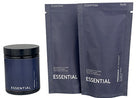
Sleep+
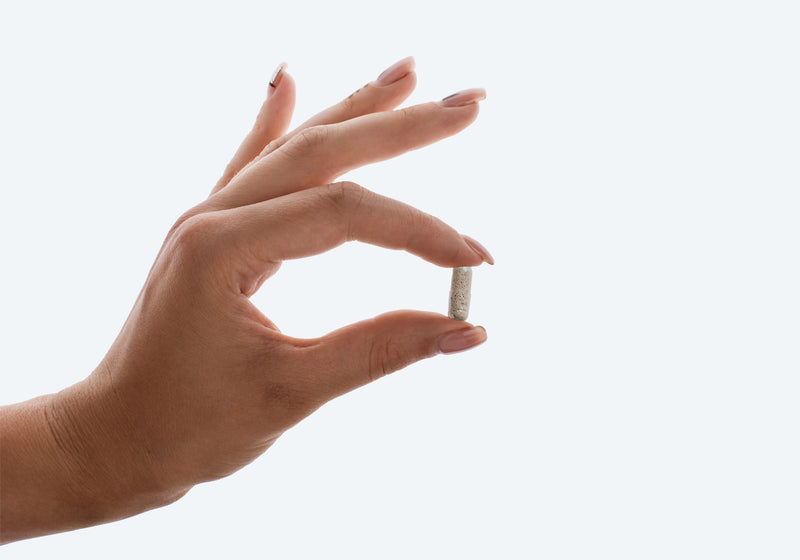
28 days | 1 capsule a day
Sleep
Stress Release
Brain
Nerves
-
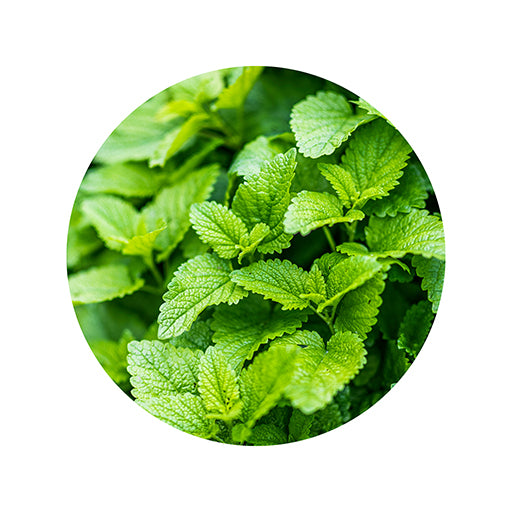
A blend of Lemon Balm & Chamomile extract
-
220mg of L-Tryptophan
-
A complex of B6, Magnesium & Niacin
-
Fully Vegan friendly
-
Change or cancel anytime, no binding
-
We adjust your formula based on how you feel
-
28 Biodegradable daily packs
-
Low-waste refill option
-
Personal food, lifestyle plans and more included
Your Personal Plan, Fairly Priced
Transparent, volume-based pricing that rewards you for building a complete plan.
Most supplement companies charge the same per product whether you buy one or ten. We think that's unfair — packaging, shipping, and handling costs are shared across your entire order.
How it works: The more products in your personalized plan, the lower the cost of each one. Shared costs like daily pouches, your dispenser box, and shipping are split across everything in your box.
No hidden fees. No inflated single-product pricing to make bundles look like deals. Just honest math.
How does this look in practice?
Packaging costs like your biodegradable pouches, dispenser box, and shipping are split across all products. Fewer products = higher cost each. More products = lower cost each. Simple.
We stand by our science — enjoy 90 days risk-free. Read more
Nutritional Information
Each capsule typically provides:
Per Portion - *NRV
- Niacin - 16mg - (100% NRV*)
- Vitamin B6 - 5.6mg - (400% NRV*)
- Magnesium - 57mg - (15.20% NRV*)
as Magnesium Bisglycinate 285mg
*Nutrient Reference Value
- L-Tryptophan - 220mg
- Lemon Balm Extract - Equivalent to 500mg
- Chamomile Extract - Equivalent to 500mg
Ingredients:
Magnesium Bisglycinate, L-Tryptophan, Capsule Shell: Hydroxypropyl Methylcellulose, Microcrystalline Cellulose, Lemon Balm Extract, Chamomile Extract, Nicotinamide (Niacin), Silicon Dioxide, Magnesium Stearate, Pyridoxine Hydrochloride (Vitamin B6).
Allergens:
Although rigorous precautions are taken to prevent any cross-contamination, this product is manufactured in a facility that handles allergy-based materials.
Disclaimer:
Always consult your health practitioner before taking nutritional supplements, especially if you are taking medication or are under medical supervision. Not recommended for use by pregnant or breastfeeding women. You should not take supplements as a substitute for a varied balanced diet or healthy lifestyle. Store in a cool dry place, out of reach of children.
How to Use It
Take 1 capsule in the evening, about 30 to 60 minutes before bed. Just a glass of water is enough—no need for food unless you prefer it that way.
Do not exceed recommended daily dose.
Take 1 capsule in the evening, about 30 to 60 minutes before bed. Just a glass of water is enough—no need for food unless you prefer it that way. The idea is to make it a part of your wind-down routine, like brushing your teeth.
Try not to mix it with caffeine, alcohol, or other stimulants late in the day, they can work against what Sleep+ is trying to help your body do.
If you’re pregnant, breastfeeding, or on medication, it’s a good idea to check in with your doctor first, just to be safe.
- Take it around the same time every night to help your body settle into a rhythm
- Pair it with relaxing habits like a warm shower, calming music, or a good book
- Avoid screens, strong lights, or late-night snacks that might keep you alert
- Stay consistent—this isn’t a quick fix, but a gentle nudge toward better sleep
Shipping
We ship with all major carriers, including PostNord, DAO, GLS, and Bring, offering 1–2 business day delivery.
Orders are prepared and sent out within 24–48 hours.
Cost varies between DKK 39-52.00
Free Delivery on orders above DKK 500
*The delivery days count from the moment the carrier has received our package.
We also deliver throughout Europe using trusted partners like GLS and EcoParcel.
Delivery times vary by destination, between 4-15 business days, but we always send out our packages within 48 hours of receiving your order.
Cost varies by destination between €9-25.
Free Delivery on orders above €60.
*The delivery days count from the moment the carrier has received our package.
We currently do not ship outside of the European Union, however if you would like to place a order, contact us at hello@persona-path.com and we will try to assist you.
Transparency & Sourcing
At PersonaPath, we believe in full transparency and doing things the right way—from how we formulate our supplements to how we treat the planet.
Our mission is to help people live healthier, more balanced lives, while respecting the world we all share.
Our products are manufactured in the UK, Germany, Slovenia and Latvia under strict quality standards and then packaged and prepared locally in Denmark, where we work closely with Fødevarestyrelsen (Danish Veterinary and Food Administration) to ensure everything meets national safety and labelling requirements.
We work exclusively with a BRC AA–certified manufacturer that follows Good Manufacturing Practices (GMP) and full traceability, from raw ingredients to finished product. All of our formulations are developed by a qualified nutritionist and are based strictly on EFSA-approved claims—with no inflated promises, ever.
We're also proud to take an ethical and sustainable approach. We never work with suppliers who test on animals or use harmful harvesting methods.
Sustainability is not a side project—it’s core to how we operate.
✔ All of our packaging is made from biodegradable materials, durable glass or recycled plastic
✔ We offset our shipping-related CO₂ emissions
✔ We’re partnered with Greenspark, supporting projects like:
– Reforestation
– Ocean plastic cleanup
– Carbon removal & kelp planting
– Fresh water access in vulnerable areas
– Supporting honeybee populations
We are proud to offer clean, honest supplements—made with care, backed by science, and delivered with respect for your health and the planet.
Our products are manufactured in the UK, Germany, Slovenia, and Latvia under strict quality standards, then packaged and prepared locally in Denmark.
We’ve also built a transparent ingredient section on our website, where you can explore every detail of what goes into our products — including the exact type of raw material, EFSA-approved health claims, ingredient origin, and documented benefits.
Supporting ingredients are also fully listed and explained — what they are, what they do, and why we include them. You can find this information under Ingredients → Supporting Ingredients, or directly on each product page by clicking on “Ingredients.”
Finally, our packaging materials are sourced from Germany, Poland, the UK, and Denmark, all produced to meet the highest European standards of safety and sustainability.
Giving Back Together
We’ve partnered with Greenspark to give back where it’s needed most — supporting meaningful environmental and social causes around the world. Each month, we dedicate a portion of our monthly revenue to a new project that creates real impact, from restoring forests and protecting marine ecosystems to supporting local communities.
You can always see the current month’s cause featured at the top of our website or on our social media channels. At the end of each month, we share full transparency — including donation receipts, details about the partner organization, and photos from the project locations — so you can see exactly where your support goes.
We’re proud that our community plays an active role in helping us make a difference. Every purchase contributes to something bigger — together, we’re building a healthier planet and a better future.
The Persona
Promise
Discover what makes us different and why our customers trust us.
At Persona we don't use marketing claims.
Every health benefit you see is approved by european authorities and backed by science.
It's how we build trust.
Sleep+ contains nutrients that maintain normal psychological functions and contribute to the reduction of fatigue. Vitamin B6 and Niacin work together to provide foundational support for your body’s nervous system.
- Vitamin B6 contributes to normal psychological function.*
- Vitamin B6 contributes to normal functioning of the nervous system.*
- Vitamin B6 contributes to the reduction of tiredness and fatigue.*
- Niacin contributes to normal psychological function.*
- Niacin contributes to normal energy-yielding metabolism.*
A one-per-night capsule with botanical extracts that contribute to a calming effect on the nervous system and gentle relaxation. These natural extracts of Lemon Balm and Chamomile complement key nutrients such as Magnesium and Vitamin B6.
- Magnesium contributes to normal muscle function.*
- Vitamin B6 contributes to normal protein and glycogen metabolism.*
- Magnesium contributes to normal energy-yielding metabolism.*
- Vitamin B6 contributes to normal homocysteine metabolism.*
- Niacin contributes to the maintenance of normal mucous membranes.*
- Magnesium contributes to electrolyte balance.*
Understanding Bioavailability
Why the form of a vitamin matters as much as the vitamin itself
The Restaurant Example
Imagine ordering salmon at a restaurant. The menu says "salmon", but what arrives could be perfectly grilled, raw, or still wrapped in plastic. Technically all salmon, but only one is actually nourishing.
Vitamins work the same way. A label might say "Vitamin C 1000 mg," but that vitamin could be in a form your body barely absorbs, or one it uses efficiently. The form determines whether your body can actually use what you're taking.
What Is Bioavailability?
Bioavailability is the amount of a nutrient that actually enters your bloodstream and reaches your cells.
If you take 100 mg of a vitamin but only 20 mg gets absorbed, the bioavailability is 20%. The rest passes through unused.
What affects bioavailability:
- The chemical form of the vitamin
- Your individual gut health and genetics
- What you eat alongside the supplement
Common Vitamin Forms Explained
Methylated Vitamins (Active Forms)
Some people struggle to convert standard vitamins into their active, usable forms due to genetic variations. Methylated vitamins skip that step; they're already active.
Example: Methylcobalamin (B12) vs Cyanocobalamin
- Methylcobalamin Active form, immediately usable
- Cyanocobalamin Synthetic, requires conversion (which 40-60% of people struggle with due to MTHFR gene variants)
Common forms: Methylfolate (5-MTHF), methylcobalamin (B12), P-5-P (B6)
Natural vs Synthetic
"Natural" doesn't automatically mean better; it depends on the specific vitamin.
Example: Vitamin E
- Natural (d-alpha-tocopherol): Derived from plants, more biologically active
- Synthetic (dl-alpha-tocopherol): Contains 8 forms, only one your body prefers
Example: Vitamin C
- Ascorbic acid (synthetic) is molecularly identical to natural vitamin C and equally effective
- Liposomal vitamin C: Wrapped in fat bubbles for enhanced absorption and higher blood levels
Fat-Soluble vs Water-Soluble
Fat-soluble vitamins (A, D, E, K) need fat to be absorbed. Taking them with food containing healthy fats significantly improves uptake.
Water-soluble vitamins (B, C) dissolve in water and are absorbed more easily, but excess is excreted quickly, making sustained-release forms sometimes beneficial.
What "Bioavailable" Actually Means on a Label
When we say "bioavailable form," we mean:
- Active forms that don't require conversion (methylated B vitamins)
- Forms with proven absorption backed by scientific research
- Enhanced delivery systems (like liposomal technology)
What it shouldn't mean: vague marketing language without specifics.
Red flags to watch for:
- No specific form listed (just "Vitamin B12" without the type)
- "Proprietary blends" that hide ingredient amounts
- Claims without any absorption data
The Bottom Line
A cheaper supplement with poor bioavailability isn't a bargain. The best supplements aren't about taking more; they're about absorbing what you take.
What to look for:
- Specific forms clearly listed on the label
- Science-backed forms (methylated, chelated, liposomal)
- Transparency about dosages and sources
At Persona, we choose forms based on scientific evidence for absorption, not what's cheapest to manufacture. Because if your body can't use it, what's the point?
References: EFSA scientific opinions on bioavailability; NIH Office of Dietary Supplements; peer-reviewed studies on vitamin absorption and forms (available upon request).
Bioavailable nutrients your body can use
L-Tryptophan
Essential Amino Acid
Niacin
Energy Metabolism
Vitamin B6
Energy Metabolism
Magnesium
Muscle & Nervous System Support
Lemon balm
Traditional Botanical
Chamomile
Traditional Botanical
What is L-Tryptophan
L-Tryptophan is one of the nine essential amino acids, meaning the body cannot synthesise it and it must be obtained from food. It is found in protein-rich foods such as turkey, chicken, eggs, cheese, fish, nuts, and seeds.
Tryptophan is unique among amino acids because of its role as a precursor in two important biochemical pathways. The first converts tryptophan to serotonin (via 5-HTP), which then can be converted to melatonin. The second converts tryptophan to niacin (vitamin B3) and NAD, which are essential for energy metabolism.
Because tryptophan competes with other large amino acids for transport across the blood-brain barrier, its conversion to serotonin in the brain can be influenced by dietary composition. Supplementation provides a more direct route to supporting serotonin availability.
Sleep Quality
L-Tryptophan supports sleep through its conversion to serotonin and subsequently melatonin, the hormone that regulates the sleep-wake cycle. By providing the raw material for melatonin production, tryptophan supplementation supports the body's natural ability to prepare for sleep.
Unlike sedative sleep aids, tryptophan works with the body's own biochemistry, supporting a gentle, non-sedating path to improved sleep. It helps with both falling asleep and maintaining restful sleep throughout the night, making it particularly useful for those who experience difficulty with sleep onset or light, interrupted sleep.
Mood and Emotional Well-being
As the precursor to serotonin, tryptophan plays a fundamental role in mood regulation. Serotonin influences feelings of well-being, emotional stability, and calmness. Low serotonin levels have been associated with low mood, anxiety, and irritability.
By supporting serotonin production, tryptophan supplementation may help maintain emotional balance and a positive mood. It is not a treatment for mood disorders, but ensuring adequate tryptophan availability supports the brain's natural mood-regulating chemistry.
What is Niacin
Niacin exists in two main supplemental forms: nicotinic acid and nicotinamide (niacinamide). Both are converted in the body to NAD (nicotinamide adenine dinucleotide), one of the most important coenzymes in cellular metabolism. NAD is involved in over 400 enzymatic reactions, making it essential for virtually every metabolic process.
Niacin is found in poultry, fish, lean meats, nuts, legumes, and enriched grains. The body can also synthesise niacin from the amino acid tryptophan (approximately 60 mg of tryptophan produces 1 mg of niacin). Severe niacin deficiency causes pellagra, characterised by dermatitis, diarrhoea, and dementia, though this is rare in modern diets.
Energy Metabolism
Niacin's coenzyme forms, NAD and NADP, are essential for the metabolic pathways that convert food into energy. NAD is critical for glycolysis, the citric acid cycle, and the electron transport chain, which together generate the bulk of cellular ATP.
EFSA recognises that niacin contributes to normal energy-yielding metabolism and to the reduction of tiredness and fatigue.
Skin and Mucous Membranes
Niacin supports skin health through its role in cellular energy and repair processes. Niacinamide (a form of niacin) is widely used in skincare for its ability to support skin barrier function, reduce inflammation, and improve skin tone.
EFSA recognises that niacin contributes to the maintenance of normal skin and normal mucous membranes.
What is Vitamin B6
Vitamin B6 is a versatile water-soluble vitamin that exists in several forms, with pyridoxine hydrochloride being the most common supplemental form. It is found in a wide range of foods including poultry, fish, potatoes, chickpeas, bananas, and fortified cereals.
B6 is involved in an remarkably broad range of metabolic processes. It is a coenzyme for over 100 reactions, primarily in amino acid (protein) metabolism, but also in the synthesis of neurotransmitters, haemoglobin, and immune system components. This makes it one of the most functionally diverse of all the B vitamins.
Because B6 is water-soluble, the body does not store it in large amounts, and regular dietary intake or supplementation is needed. While severe deficiency is uncommon, suboptimal levels are relatively common and can affect mood, energy, and hormonal balance.
Hormonal Balance and PMS
Vitamin B6 is perhaps best known in women's health for its role in managing premenstrual symptoms. A randomised crossover study (De Souza et al., 2000) found that a combination of 200 mg magnesium plus 50 mg vitamin B6 significantly relieved anxiety-related PMS symptoms.
B6 supports hormonal balance through its role in neurotransmitter production (serotonin and dopamine), which can be disrupted during the luteal phase of the menstrual cycle. A 2025 systematic review in Nutrition Reviews confirmed consistent evidence that B6 at doses of 50 mg/day or more benefits PMS-related psychological symptoms.
EFSA recognises that vitamin B6 contributes to the regulation of hormonal activity.
Nervous System and Mood
B6 is essential for the production of several key neurotransmitters: serotonin (mood), dopamine (motivation and pleasure), GABA (calming), and noradrenaline (alertness). Without adequate B6, the brain cannot produce these chemicals efficiently, which can affect mood, sleep, and cognitive function.
EFSA recognises that vitamin B6 contributes to normal functioning of the nervous system and to normal psychological function. These claims reflect B6's fundamental role in brain chemistry.
What is Magnesium
Magnesium is the fourth most abundant mineral in the body and is essential for hundreds of biochemical processes. Despite its importance, magnesium deficiency is surprisingly common in modern diets. Soil depletion, food processing, and changes in dietary patterns mean that many people do not consume enough magnesium through food alone (Gröber et al., 2015; Rosanoff et al., 2012).
We chose Magnesium Bisglycinate specifically because it is a chelated form, meaning the magnesium is bound to glycine, an amino acid. This bond makes it easier for the body to absorb and gentler on the stomach compared to other forms like magnesium oxide or citrate. The glycine component itself has calming properties, which makes this form particularly well-suited for supporting relaxation and sleep.
Good dietary sources of magnesium include dark leafy greens, nuts and seeds (especially pumpkin seeds and almonds), whole grains, legumes, and dark chocolate. However, even with a balanced diet, supplementation can help bridge the gap between what we consume and what our bodies need.
Sleep Quality and Relaxation
Magnesium plays a natural role in helping the body relax. It activates the parasympathetic nervous system, the system responsible for helping you feel calm and at ease. Magnesium also helps regulate melatonin, the hormone that guides your sleep-wake cycles.
Clinical research supports this: a double-blind randomised controlled trial found that magnesium supplementation (500 mg/day) for 8 weeks significantly improved subjective sleep quality, sleep duration, and early morning awakening in older adults. The study also showed improved serum melatonin and reduced cortisol levels (Abbasi et al., 2012).
EFSA recognises that magnesium contributes to normal functioning of the nervous system and normal psychological function, both of which are closely tied to restful sleep.
Energy Production and Fatigue
Magnesium is directly involved in the production of ATP (adenosine triphosphate), the molecule that serves as the body's primary energy currency. Without adequate magnesium, energy production at the cellular level simply cannot function optimally.
This is why persistent tiredness is one of the earliest and most common signs of magnesium insufficiency. EFSA confirms that magnesium contributes to normal energy-yielding metabolism and to the reduction of tiredness and fatigue. Ensuring adequate magnesium intake supports sustained energy throughout the day.
What is Lemon Balm
Lemon balm (Melissa officinalis) is a perennial herb native to Europe and the Mediterranean region. It has been cultivated for over 2,000 years, traditionally used to calm the nerves, support sleep, and soothe digestive discomfort. The name "Melissa" comes from the Greek word for honeybee, as the plant is a favourite of pollinators.
The active compounds in lemon balm include rosmarinic acid, flavonoids, and volatile oils that contribute to its calming and antioxidant properties. It is thought to work by modulating GABA receptors in the brain, promoting a sense of calm without sedation.
Calming and Relaxation
Lemon balm is most valued for its gentle calming effects. It helps ease nervousness and tension without the drowsiness associated with stronger sedative herbs. This makes it suitable for daytime use when you want to feel calm but remain alert. It is often combined with other calming ingredients like chamomile, L-theanine, or magnesium for enhanced relaxation support.
Sleep Support
While not a strong sedative on its own, lemon balm supports the transition to sleep by easing the mental restlessness that can interfere with falling asleep. It is traditionally combined with valerian or chamomile for sleep support. Its gentle nature makes it suitable for those who prefer a mild, natural approach to improving sleep quality.
What is Chamomile
Chamomile is a daisy-like herb that has been used medicinally for thousands of years across many cultures. It is one of the most widely consumed herbal teas in the world and has a long history of traditional use for calming nerves, promoting sleep, and soothing digestive discomfort.
The primary active compound is apigenin, a natural flavonoid that binds to benzodiazepine receptors in the brain (the same receptors targeted by anti-anxiety medications, though chamomile's effect is much milder and gentler). This mechanism underlies chamomile's calming and sleep-promoting properties.
Sleep Support
Chamomile is perhaps most associated with bedtime tea and sleep. Apigenin's binding to GABA receptors promotes mild sedation and relaxation, helping to ease the transition to sleep. While not as potent as pharmaceutical sleep aids, chamomile offers a gentle, natural approach to improving sleep quality that has been valued for generations.
Calming and Anxiety
Chamomile has mild anxiolytic (anxiety-reducing) properties. Research from our catalog (1 study) explored chamomile for calming effects. Its gentle nature makes it suitable for daily use and for those who prefer a mild, natural approach to managing everyday stress and nervousness.
Sustainably delivered and refilled, monthly.
Personalized Plan
-
Pouches OnlyNo new tube each time -
Fully CompostableBreaks down completely
-
All PaperNothing to sort
Single Products
-
Refill BagsFits into your day
-
Less PackagingLighter every reorder
-
Glass Built to LastReuse for years
Try it for 90 days completely risk-free.
Formulated without gluten, dairy, corn and common allergens.
Manufactured to the highest standards with GMP, ISO22000, HACCP.
Continuously tested and approved by Fødevarestyrelsen.
Questions?
We're here to help.
Sleep+ supports your body’s natural relaxation and sleep cycle by combining calming amino acids, soothing plant extracts, and magnesium to help reduce stress and promote restful nights.
If you feel your sleep or relaxation could use a natural boost, Sleep+ may be helpful. To get personalised guidance, we recommend using our free online health assessment—just click the "Take Test Now" button on our website. It provides tailored supplement suggestions based on your unique needs, no subscription required.
Take one capsule each evening, ideally about 30 minutes before bedtime, to help your body unwind and prepare for restful sleep.
Generally, Sleep+ can be combined with other supplements. To be safe and get the best personalised advice, we encourage you to take our free health assessment on the website by clicking the "Take Test Now" button. It only takes a few minutes and helps guide you to the right supplement choices, without any subscription needed.
We recommend taking Sleep+ with some food, ideally in the evening. This helps improve absorption and reduces any chance of stomach discomfort.
This product is not recommended for pregnant or breastfeeding women. Please seek advice from your doctor before using any supplements during this time.
Yes, Sleep+ is suitable for long-term use as part of your daily routine. However, it’s always a good idea to check in with your health practitioner periodically.
Side effects are rare but some people may experience mild digestive discomfort. If you notice any unusual reactions, please stop use and consult your healthcare professional.
If you are taking any medications or under medical supervision, please consult your healthcare professional before starting this supplement. They can advise you on any possible interactions to ensure your safety.
While some ingredients like magnesium and chamomile can be found in food or teas, Sleep+ provides a targeted and convenient daily dose of L-Tryptophan and other calming ingredients to specifically support your natural sleep and relaxation processes.
Most people notice improved relaxation and sleep quality within a few weeks of regular use. Remember, consistent daily intake is key to experiencing the full benefits.
This product comes as one capsule per day, so just take that single capsule once daily, preferably in the evening.
If you forget to take a dose, simply continue with your next usual dose the following day. Avoid doubling up to make up for missed capsules.
Sleep+ is designed for adults and is not recommended for children. Older adults can use it, but we suggest consulting a healthcare provider to confirm it fits your personal health needs.
Sleep+ is vegan and free from common allergens, but it is manufactured in a facility that handles allergenic materials. If you have severe allergies, please take this into account.
Our Vitamins are manufactured in the UK under strict GMP (Good Manufacturing Practice) standards. It’s then handled and packed in Denmark with full traceability. Each batch undergoes rigorous quality and safety checks to ensure purity, potency, and consistency , so you always know you're getting exactly what’s on the label.
Yes, Sleep+ is fully vegan, made with plant-based ingredients and a vegan capsule shell, perfect for those seeking clean, ethical supplements.
How we verify and process reviews
We use our custom-built review system to collect, verify, and display reviews on our website. Every review you see here comes directly from real customers.
We automatically send review requests to customers for whom we have a record that they purchased products directly from our website. This allows us to verify the review's reliability through technical means, such as the customer's email address. Reviews submitted through such requests are marked as "Verified purchase" and display a verified badge.
If a customer submits a review directly through our website without a matching purchase record, the review will not be marked as verified. These reviews are still published but will not display the verified badge.
All reviews go through a moderation process before being published. We check for authenticity, relevance, and compliance with our community guidelines. We do not edit review content, censor negative feedback, or selectively publish only positive reviews.
What our customers are saying.
Here is what they love about Sleep+:
Love the idea and the execution
yes yes yes
I feel great about it already. I did notice a few changes after the 1st few weeks.
Thank you so much we are so pleased that you are happy with our product and service :) Have a great day!