Zinc
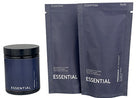
30 days | 1 capsule per day
Immunity
Muscles
Energy
Men's Health
-
Helps maintain healthy hair and nail structure
-
Supports normal cognitive and cellular activity
-
Contributes to antioxidant protection
-
Change or cancel anytime, no binding
-
We adjust your formula based on how you feel
-
28 Biodegradable daily packs
-
Low-waste refill option
-
Personal food, lifestyle plans and more included
Your Personal Plan, Fairly Priced
Transparent, volume-based pricing that rewards you for building a complete plan.
Most supplement companies charge the same per product whether you buy one or ten. We think that's unfair — packaging, shipping, and handling costs are shared across your entire order.
How it works: The more products in your personalized plan, the lower the cost of each one. Shared costs like daily pouches, your dispenser box, and shipping are split across everything in your box.
No hidden fees. No inflated single-product pricing to make bundles look like deals. Just honest math.
How does this look in practice?
Packaging costs like your biodegradable pouches, dispenser box, and shipping are split across all products. Fewer products = higher cost each. More products = lower cost each. Simple.
We stand by our science — enjoy 90 days risk-free. Read more
Nutritional Information
1 capsule typically provides:
Per Portion NRV*
Vitamin C - 60mg - 75% NRV*
Zinc - 15mg - 150% NRV*
* = Nutrient Reference Value
Ingredients:
Calcium Carbonate, Bulking Agents (Di Calcium Phosphate, Microcrystalline Cellulose), Vitamin C, Zinc Citrate, Antiklumpningsmidler (Silicon Dioxide, Magnesiumstearat).
Suitable for VEGETARIANS AND VEGANS
Allergy Advice:
This product is manufactured in a facility that handles allergy-based materials. May contain nuts, milk, crustaceans, molluscs, fish and soya.
Cautions:
Always consult your health practitioner before taking nutritional supplements, especially if you are taking medication or are under medical supervision. Not recommended for children. You should
not take supplements as a substitute for a varied balanced diet or healthy lifestyle. Store in a cool dry place, out of reach of children.
How to Use It
Directions:
Adults, take 1 capsule daily with food and water.
Do not exceed recommended intake.
Take 1 capsule, anytime during the day is fine—taking it with food is recommended. Morning or lunchtime is often a convenient choice.
We recommend taking your capsule with food and water. Some people may experience mild stomach sensitivity if zinc is taken on an empty stomach, so having it with a meal often provides the most comfortable experience.
Shipping
We ship with all major carriers, including PostNord, DAO, GLS, and Bring, offering 1–2 business day delivery.
Orders are prepared and sent out within 24–48 hours.
Cost varies between DKK 39-52.00
Free Delivery on orders above DKK 500
*The delivery days count from the moment the carrier has received our package.
We also deliver throughout Europe using trusted partners like GLS and EcoParcel.
Delivery times vary by destination, between 4-15 business days, but we always send out our packages within 48 hours of receiving your order.
Cost varies by destination between €9-25.
Free Delivery on orders above €60.
*The delivery days count from the moment the carrier has received our package.
We currently do not ship outside of the European Union, however if you would like to place a order, contact us at hello@persona-path.com and we will try to assist you.
Transparency & Sourcing
At PersonaPath, we believe in full transparency and doing things the right way—from how we formulate our supplements to how we treat the planet.
Our mission is to help people live healthier, more balanced lives, while respecting the world we all share.
Our products are manufactured in the UK, Germany, Slovenia and Latvia under strict quality standards and then packaged and prepared locally in Denmark, where we work closely with Fødevarestyrelsen (Danish Veterinary and Food Administration) to ensure everything meets national safety and labelling requirements.
We work exclusively with a BRC AA–certified manufacturer that follows Good Manufacturing Practices (GMP) and full traceability, from raw ingredients to finished product. All of our formulations are developed by a qualified nutritionist and are based strictly on EFSA-approved claims—with no inflated promises, ever.
We're also proud to take an ethical and sustainable approach. We never work with suppliers who test on animals or use harmful harvesting methods.
Sustainability is not a side project—it’s core to how we operate.
✔ All of our packaging is made from biodegradable materials, durable glass or recycled plastic
✔ We offset our shipping-related CO₂ emissions
✔ We’re partnered with Greenspark, supporting projects like:
– Reforestation
– Ocean plastic cleanup
– Carbon removal & kelp planting
– Fresh water access in vulnerable areas
– Supporting honeybee populations
We are proud to offer clean, honest supplements—made with care, backed by science, and delivered with respect for your health and the planet.
Our products are manufactured in the UK, Germany, Slovenia, and Latvia under strict quality standards, then packaged and prepared locally in Denmark.
We’ve also built a transparent ingredient section on our website, where you can explore every detail of what goes into our products — including the exact type of raw material, EFSA-approved health claims, ingredient origin, and documented benefits.
Supporting ingredients are also fully listed and explained — what they are, what they do, and why we include them. You can find this information under Ingredients → Supporting Ingredients, or directly on each product page by clicking on “Ingredients.”
Finally, our packaging materials are sourced from Germany, Poland, the UK, and Denmark, all produced to meet the highest European standards of safety and sustainability.
Giving Back Together
We’ve partnered with Greenspark to give back where it’s needed most — supporting meaningful environmental and social causes around the world. Each month, we dedicate a portion of our monthly revenue to a new project that creates real impact, from restoring forests and protecting marine ecosystems to supporting local communities.
You can always see the current month’s cause featured at the top of our website or on our social media channels. At the end of each month, we share full transparency — including donation receipts, details about the partner organization, and photos from the project locations — so you can see exactly where your support goes.
We’re proud that our community plays an active role in helping us make a difference. Every purchase contributes to something bigger — together, we’re building a healthier planet and a better future.
The Persona
Promise
Discover what makes us different and why our customers trust us.
At Persona we don't use marketing claims.
Every health benefit you see is approved by european authorities and backed by science.
It's how we build trust.
Learn more about Zinc- Zinc contributes to normal growth.*
- Zinc contributes to normal fertility and reproduction.*
- Zinc supports normal reproductive development.*
- Zinc contributes to the normal function of the immune system.*
- Zinc contributes to normal DNA synthesis and cell division.*
- Zinc helps protect DNA, proteins, and lipids from oxidative damage.*
- Zinc contributes to normal cognitive function.*
- Zinc contributes to normal metabolism of fatty acids.*
- Zinc contributes to normal acid-base metabolism and normal vitamin A metabolism.*
- Zinc helps maintain normal bones, joints, hair, nails, and skin.*
- Zinc contributes to normal muscle function.*
- Zinc contributes to the normal function of the heart and blood vessels, prostate function, thyroid function, and maintenance of normal vision.*
Understanding Bioavailability
Why the form of a vitamin matters as much as the vitamin itself
The Restaurant Example
Imagine ordering salmon at a restaurant. The menu says "salmon", but what arrives could be perfectly grilled, raw, or still wrapped in plastic. Technically all salmon, but only one is actually nourishing.
Vitamins work the same way. A label might say "Vitamin C 1000 mg," but that vitamin could be in a form your body barely absorbs, or one it uses efficiently. The form determines whether your body can actually use what you're taking.
What Is Bioavailability?
Bioavailability is the amount of a nutrient that actually enters your bloodstream and reaches your cells.
If you take 100 mg of a vitamin but only 20 mg gets absorbed, the bioavailability is 20%. The rest passes through unused.
What affects bioavailability:
- The chemical form of the vitamin
- Your individual gut health and genetics
- What you eat alongside the supplement
Common Vitamin Forms Explained
Methylated Vitamins (Active Forms)
Some people struggle to convert standard vitamins into their active, usable forms due to genetic variations. Methylated vitamins skip that step; they're already active.
Example: Methylcobalamin (B12) vs Cyanocobalamin
- Methylcobalamin Active form, immediately usable
- Cyanocobalamin Synthetic, requires conversion (which 40-60% of people struggle with due to MTHFR gene variants)
Common forms: Methylfolate (5-MTHF), methylcobalamin (B12), P-5-P (B6)
Natural vs Synthetic
"Natural" doesn't automatically mean better; it depends on the specific vitamin.
Example: Vitamin E
- Natural (d-alpha-tocopherol): Derived from plants, more biologically active
- Synthetic (dl-alpha-tocopherol): Contains 8 forms, only one your body prefers
Example: Vitamin C
- Ascorbic acid (synthetic) is molecularly identical to natural vitamin C and equally effective
- Liposomal vitamin C: Wrapped in fat bubbles for enhanced absorption and higher blood levels
Fat-Soluble vs Water-Soluble
Fat-soluble vitamins (A, D, E, K) need fat to be absorbed. Taking them with food containing healthy fats significantly improves uptake.
Water-soluble vitamins (B, C) dissolve in water and are absorbed more easily, but excess is excreted quickly, making sustained-release forms sometimes beneficial.
What "Bioavailable" Actually Means on a Label
When we say "bioavailable form," we mean:
- Active forms that don't require conversion (methylated B vitamins)
- Forms with proven absorption backed by scientific research
- Enhanced delivery systems (like liposomal technology)
What it shouldn't mean: vague marketing language without specifics.
Red flags to watch for:
- No specific form listed (just "Vitamin B12" without the type)
- "Proprietary blends" that hide ingredient amounts
- Claims without any absorption data
The Bottom Line
A cheaper supplement with poor bioavailability isn't a bargain. The best supplements aren't about taking more; they're about absorbing what you take.
What to look for:
- Specific forms clearly listed on the label
- Science-backed forms (methylated, chelated, liposomal)
- Transparency about dosages and sources
At Persona, we choose forms based on scientific evidence for absorption, not what's cheapest to manufacture. Because if your body can't use it, what's the point?
References: EFSA scientific opinions on bioavailability; NIH Office of Dietary Supplements; peer-reviewed studies on vitamin absorption and forms (available upon request).
More than just Supplements
Bioavailable Nutrients
How to Use:
- Take 1 capsule daily with food and water.
The Benefits of Zinc Citrate
Bioavailable Form
Zinc Citrate is a well-absorbed form of zinc bound to citric acid. It supports immune defence, skin health, hormonal balance, and hair and nail maintenance. Zinc citrate is a practical choice for general zinc supplementation, offering good bioavailability at an accessible price point.
Key Highlights
- Well-absorbed zinc form bound to citric acid
- Supports immune function, skin, hair, and nails (EFSA approved)
- Good bioavailability at an accessible price point
- See our main Zinc page for detailed research and EFSA claims
Biochemistry Timeline
Zinc citrate is well-absorbed and benefits can begin within 2-4 weeks for immune and skin health. See our main Zinc page for detailed biochemistry and timelines.
Summary
Zinc Citrate is a well-absorbed form of zinc supporting immune, skin, hair, and hormonal health. See our main Zinc page for comprehensive research, EFSA claims, and detailed information.
FAQs
How does zinc citrate compare to other zinc forms?
Zinc citrate offers good bioavailability and is generally well-tolerated. It tends to cause less digestive discomfort than zinc sulphate, making it a popular choice for supplementation.
Can zinc interfere with copper absorption?
Yes, high doses of zinc taken over extended periods can reduce copper absorption. If you take zinc supplements long-term, ensuring adequate copper intake is important.
When is the best time to take zinc?
Zinc is best taken with food to reduce the chance of stomach discomfort. Avoid taking it at the same time as high-fibre meals or calcium supplements, as these can reduce absorption.
Research
Amanzholkyzy A et al. – Georgian medical news (2025). [Systematic review]. https://pubmed.ncbi.nlm.nih.gov/41687657/
Camilleri M – Alimentary pharmacology & therapeutics (2025). [Review]. https://pubmed.ncbi.nlm.nih.gov/40515459/
Agare GI et al. – Clinical nutrition ESPEN (2025). [Systematic review]. https://pubmed.ncbi.nlm.nih.gov/40015604/
Stanescu C et al. – Molecules (Basel, Switzerland) (2025). [Systematic review]. https://pubmed.ncbi.nlm.nih.gov/40942093/
Ferrara G et al. – Nefrologia (2025). [Systematic review]. https://pubmed.ncbi.nlm.nih.gov/39986711/
Jha N et al. – Nutrients (2025). [Review]. https://pubmed.ncbi.nlm.nih.gov/40292568/
PMC11626374 — Zinc and androgenic pathways (2024). [Mechanistic review]. https://pmc.ncbi.nlm.nih.gov/articles/PMC11626374/
Ayhan et al. — J Cosmet Dermatol (2024). [Cross-sectional]. https://pmc.ncbi.nlm.nih.gov/articles/PMC11626366/
Nault D et al. - Cochrane Database of Systematic Reviews (2024). [Cochrane Review Update]. https://pubmed.ncbi.nlm.nih.gov/38719213/
Hsu TJ et al. – Nutrients (2024). [Meta-analysis]. https://pubmed.ncbi.nlm.nih.gov/39683510/
Kapper C et al. – Nutrients (2024). [Systematic review]. https://pubmed.ncbi.nlm.nih.gov/39683462/
Cui Y et al. – COPD (2024). [Review]. https://pubmed.ncbi.nlm.nih.gov/38591165/
Langer G et al. – The Cochrane database of systematic reviews (2024). [Meta-analysis]. https://pubmed.ncbi.nlm.nih.gov/38345088/
Chao et al. — Nutrients (2023). [Meta-analysis (15 RCTs)]. https://pubmed.ncbi.nlm.nih.gov/37299574/
Andersen CT et al. – BMJ global health (2023). [Meta-analysis]. https://pubmed.ncbi.nlm.nih.gov/36849195/
Shields A et al. – JAMA dermatology (2023). [Systematic review]. https://pubmed.ncbi.nlm.nih.gov/37878272/
Zafar MI et al. – Drugs (2023). [Systematic review]. https://pubmed.ncbi.nlm.nih.gov/36943634/
García-Rodríguez MT et al. – Advances in skin & wound care (2023). [Systematic review]. https://pubmed.ncbi.nlm.nih.gov/36537775/
Maxfield L & Crane JS — StatPearls (2023). [Textbook review]. https://pubmed.ncbi.nlm.nih.gov/29630283/
Wang L & Song Y - Frontiers in Nutrition (2022). [Umbrella Meta-Analysis]. https://www.frontiersin.org/articles/10.3389/fnut.2022.798078/
Bomer N et al. – Journal of internal medicine (2022). [Review]. https://pubmed.ncbi.nlm.nih.gov/35137472/
Tyrmi JS et al. – Human reproduction (Oxford, England) (2022). [Meta-analysis]. https://pubmed.ncbi.nlm.nih.gov/34791234/
Yosaee S et al. – General hospital psychiatry (2022). [Meta-analysis]. https://pubmed.ncbi.nlm.nih.gov/32829928/
Sadeghsoltani F et al. — Biol Trace Elem Res (2022). [Review]. https://pubmed.ncbi.nlm.nih.gov/34081300/
Hendricks AJ et al. – The Journal of dermatological treatment (2021). [Systematic review]. https://pubmed.ncbi.nlm.nih.gov/31106609/
Dalhoff A – Infection (2021). [Review]. https://pubmed.ncbi.nlm.nih.gov/33367978/
Camilleri M – Current opinion in clinical nutrition and metabolic care (2021). [Review]. https://pubmed.ncbi.nlm.nih.gov/34138767/
Shi C et al. – The Cochrane database of systematic reviews (2021). [Meta-analysis]. https://pubmed.ncbi.nlm.nih.gov/34308565/
Taghipour A et al. – Biological trace element research (2021). [Systematic review]. https://pubmed.ncbi.nlm.nih.gov/33405078/
Saeg F et al. – Plastic and reconstructive surgery (2021). [Systematic review]. https://pubmed.ncbi.nlm.nih.gov/34181622/
Neta FI et al. – Current research in pharmacology and drug discovery (2021). [Review]. https://pubmed.ncbi.nlm.nih.gov/34870148/
Dhaliwal et al. — J Drugs Dermatol (2020). [Systematic review]. https://pubmed.ncbi.nlm.nih.gov/31745908/
Liu H et al. – The Cochrane database of systematic reviews (2020). [Meta-analysis]. https://pubmed.ncbi.nlm.nih.gov/32356369/
Garolla A et al. – Nutrients (2020). [Systematic review]. https://pubmed.ncbi.nlm.nih.gov/32438678/
Liu H et al. – Journal of evidence-based medicine (2020). [Systematic review]. https://pubmed.ncbi.nlm.nih.gov/33034949/
Calder PC et al. – Nutrients (2020). [Review]. https://pubmed.ncbi.nlm.nih.gov/32340216/
Yee BE et al. – Dermatologic therapy (2020). [Meta-analysis]. https://pubmed.ncbi.nlm.nih.gov/32860489/
Pearsey HM et al. – Reviews in endocrine & metabolic disorders (2020). [Meta-analysis]. https://pubmed.ncbi.nlm.nih.gov/32377863/
Song YP et al. – Nutrition in clinical practice : official publication of the American Society for Parenteral and Enteral Nutrition (2020). [Meta-analysis]. https://pubmed.ncbi.nlm.nih.gov/32166790/
Moore ZE et al. – The Cochrane database of systematic reviews (2020). [Meta-analysis]. https://pubmed.ncbi.nlm.nih.gov/32677037/
Eaton JC et al. – The Cochrane database of systematic reviews (2019). [Meta-analysis]. https://pubmed.ncbi.nlm.nih.gov/30779870/
Doty RL – Handbook of clinical neurology (2019). [Review]. https://pubmed.ncbi.nlm.nih.gov/31604562/
Read SA et al. — Adv Nutr (2019). [Review]. https://pubmed.ncbi.nlm.nih.gov/31305906/
Ogawa Y et al. — Nutrients (2018). [Review]. https://pubmed.ncbi.nlm.nih.gov/29439479/
Hemilä — Open Forum Infect Dis (2017). [Meta-analysis (7 RCTs)]. https://pubmed.ncbi.nlm.nih.gov/28480298/
Wessels I et al. - Nutrients (2017). [Comprehensive Review]. https://pubmed.ncbi.nlm.nih.gov/29186856/
Hemilä H - JRSM Open (2017). [Meta-Analysis]. https://pubmed.ncbi.nlm.nih.gov/28515951/
Irani M et al. – Urology journal (2017). [Meta-analysis]. https://pubmed.ncbi.nlm.nih.gov/28853101/
Block E et al. – Natural product reports (2017). [Review]. https://pubmed.ncbi.nlm.nih.gov/28471462/
Finch CW – Nutrition in clinical practice : official publication of the American Society for Parenteral and Enteral Nutrition (2015). [Review]. https://pubmed.ncbi.nlm.nih.gov/25527182/
Michielan A et al. – Mediators of inflammation (2015). [Review]. https://pubmed.ncbi.nlm.nih.gov/26582965/
Wieringa FT et al. — PLoS One (2015). [RCT]. https://pubmed.ncbi.nlm.nih.gov/25880209/
Gupta M et al. — Dermatol Res Pract (2014). [Review]. https://pubmed.ncbi.nlm.nih.gov/25120566/
Singh M & Das RR - Cochrane Database of Systematic Reviews (2013). [Cochrane Review]. https://pubmed.ncbi.nlm.nih.gov/23775705/
Prasad AS — Adv Nutr (2013). [Review]. https://pubmed.ncbi.nlm.nih.gov/23493540/
Maret W — Adv Nutr (2013). [Review]. https://pubmed.ncbi.nlm.nih.gov/23858094/
Wessells & Brown — PLoS One (2012). [Meta-analysis of national surveys]. https://pubmed.ncbi.nlm.nih.gov/22217001/
Schagen SK et al. - Dermato-Endocrinology (2012). [Systematic Review]. https://pubmed.ncbi.nlm.nih.gov/23467449/
Rao G & Rowland K — J Fam Pract (2011). [Review]. https://pubmed.ncbi.nlm.nih.gov/21540986/
Hemila H — Open Respir Med J (2011). [SR + meta-analysis]. https://pubmed.ncbi.nlm.nih.gov/21769305/
Saper RB & Rash R — Am Fam Physician (2009). [Review]. https://pubmed.ncbi.nlm.nih.gov/19678340/
Haase H & Rink L — Annu Rev Nutr (2009). [Review]. https://pubmed.ncbi.nlm.nih.gov/19575597/
Brown KH et al. — Food Nutr Bull (2009). [Expert review]. https://pubmed.ncbi.nlm.nih.gov/19472167/
Prasad — Mol Med (2008). [Review]. https://pubmed.ncbi.nlm.nih.gov/18587293/
Prasad AS - Molecular Medicine (2008). [Clinical Review]. https://pubmed.ncbi.nlm.nih.gov/18587227/
Solfrizzi V et al. – Journal of Alzheimer's disease : JAD (2006). [Review]. https://pubmed.ncbi.nlm.nih.gov/17119295/
Hughes S et al. – Journal of the American College of Nutrition (2006). [Review]. https://pubmed.ncbi.nlm.nih.gov/16943449/
Maret W & Sandstead HH — J Trace Elem Med Biol (2006). [Review]. https://pubmed.ncbi.nlm.nih.gov/17084463/
Mathus-Vliegen EM – The journals of gerontology. Series A, Biological sciences and medical sciences (2004). [Review]. https://pubmed.ncbi.nlm.nih.gov/15071079/
Morselli B et al. – Therapeutische Umschau. Revue therapeutique (2000). [Review]. https://pubmed.ncbi.nlm.nih.gov/10756695/
Zima T et al. – Blood purification (1999). [Review]. https://pubmed.ncbi.nlm.nih.gov/10494021/
Ackerman BH et al. – Pharmacotherapy (1997). [Review]. https://pubmed.ncbi.nlm.nih.gov/9165552/
Gramm HJ et al. – Journal of trace elements in medicine and biology : organ of the Society for Minerals and Trace Elements (GMS) (1995). [Review]. https://pubmed.ncbi.nlm.nih.gov/8846151/
Clarkson PM – Journal of sports sciences (1991). [Review]. https://pubmed.ncbi.nlm.nih.gov/1895366/
Askari A et al. – JPEN. Journal of parenteral and enteral nutrition (1980). [Review]. https://pubmed.ncbi.nlm.nih.gov/6780709/
Zinc deficiency and immunity — established (Established). [Biochemical mechanism]. General
76 studies — Zinc Citrate
Amanzholkyzy A et al. – Georgian medical news (2025). [Systematic review]. https://pubmed.ncbi.nlm.nih.gov/41687657/
Camilleri M – Alimentary pharmacology & therapeutics (2025). [Review]. https://pubmed.ncbi.nlm.nih.gov/40515459/
Agare GI et al. – Clinical nutrition ESPEN (2025). [Systematic review]. https://pubmed.ncbi.nlm.nih.gov/40015604/
Stanescu C et al. – Molecules (Basel, Switzerland) (2025). [Systematic review]. https://pubmed.ncbi.nlm.nih.gov/40942093/
Ferrara G et al. – Nefrologia (2025). [Systematic review]. https://pubmed.ncbi.nlm.nih.gov/39986711/
Jha N et al. – Nutrients (2025). [Review]. https://pubmed.ncbi.nlm.nih.gov/40292568/
PMC11626374 — Zinc and androgenic pathways (2024). [Mechanistic review]. https://pmc.ncbi.nlm.nih.gov/articles/PMC11626374/
Ayhan et al. — J Cosmet Dermatol (2024). [Cross-sectional]. https://pmc.ncbi.nlm.nih.gov/articles/PMC11626366/
Nault D et al. - Cochrane Database of Systematic Reviews (2024). [Cochrane Review Update]. https://pubmed.ncbi.nlm.nih.gov/38719213/
Hsu TJ et al. – Nutrients (2024). [Meta-analysis]. https://pubmed.ncbi.nlm.nih.gov/39683510/
Kapper C et al. – Nutrients (2024). [Systematic review]. https://pubmed.ncbi.nlm.nih.gov/39683462/
Cui Y et al. – COPD (2024). [Review]. https://pubmed.ncbi.nlm.nih.gov/38591165/
Langer G et al. – The Cochrane database of systematic reviews (2024). [Meta-analysis]. https://pubmed.ncbi.nlm.nih.gov/38345088/
Chao et al. — Nutrients (2023). [Meta-analysis (15 RCTs)]. https://pubmed.ncbi.nlm.nih.gov/37299574/
Andersen CT et al. – BMJ global health (2023). [Meta-analysis]. https://pubmed.ncbi.nlm.nih.gov/36849195/
Shields A et al. – JAMA dermatology (2023). [Systematic review]. https://pubmed.ncbi.nlm.nih.gov/37878272/
Zafar MI et al. – Drugs (2023). [Systematic review]. https://pubmed.ncbi.nlm.nih.gov/36943634/
García-Rodríguez MT et al. – Advances in skin & wound care (2023). [Systematic review]. https://pubmed.ncbi.nlm.nih.gov/36537775/
Maxfield L & Crane JS — StatPearls (2023). [Textbook review]. https://pubmed.ncbi.nlm.nih.gov/29630283/
Wang L & Song Y - Frontiers in Nutrition (2022). [Umbrella Meta-Analysis]. https://www.frontiersin.org/articles/10.3389/fnut.2022.798078/
Bomer N et al. – Journal of internal medicine (2022). [Review]. https://pubmed.ncbi.nlm.nih.gov/35137472/
Tyrmi JS et al. – Human reproduction (Oxford, England) (2022). [Meta-analysis]. https://pubmed.ncbi.nlm.nih.gov/34791234/
Yosaee S et al. – General hospital psychiatry (2022). [Meta-analysis]. https://pubmed.ncbi.nlm.nih.gov/32829928/
Sadeghsoltani F et al. — Biol Trace Elem Res (2022). [Review]. https://pubmed.ncbi.nlm.nih.gov/34081300/
Hendricks AJ et al. – The Journal of dermatological treatment (2021). [Systematic review]. https://pubmed.ncbi.nlm.nih.gov/31106609/
Dalhoff A – Infection (2021). [Review]. https://pubmed.ncbi.nlm.nih.gov/33367978/
Camilleri M – Current opinion in clinical nutrition and metabolic care (2021). [Review]. https://pubmed.ncbi.nlm.nih.gov/34138767/
Shi C et al. – The Cochrane database of systematic reviews (2021). [Meta-analysis]. https://pubmed.ncbi.nlm.nih.gov/34308565/
Taghipour A et al. – Biological trace element research (2021). [Systematic review]. https://pubmed.ncbi.nlm.nih.gov/33405078/
Saeg F et al. – Plastic and reconstructive surgery (2021). [Systematic review]. https://pubmed.ncbi.nlm.nih.gov/34181622/
Neta FI et al. – Current research in pharmacology and drug discovery (2021). [Review]. https://pubmed.ncbi.nlm.nih.gov/34870148/
Dhaliwal et al. — J Drugs Dermatol (2020). [Systematic review]. https://pubmed.ncbi.nlm.nih.gov/31745908/
Liu H et al. – The Cochrane database of systematic reviews (2020). [Meta-analysis]. https://pubmed.ncbi.nlm.nih.gov/32356369/
Garolla A et al. – Nutrients (2020). [Systematic review]. https://pubmed.ncbi.nlm.nih.gov/32438678/
Liu H et al. – Journal of evidence-based medicine (2020). [Systematic review]. https://pubmed.ncbi.nlm.nih.gov/33034949/
Calder PC et al. – Nutrients (2020). [Review]. https://pubmed.ncbi.nlm.nih.gov/32340216/
Yee BE et al. – Dermatologic therapy (2020). [Meta-analysis]. https://pubmed.ncbi.nlm.nih.gov/32860489/
Pearsey HM et al. – Reviews in endocrine & metabolic disorders (2020). [Meta-analysis]. https://pubmed.ncbi.nlm.nih.gov/32377863/
Song YP et al. – Nutrition in clinical practice : official publication of the American Society for Parenteral and Enteral Nutrition (2020). [Meta-analysis]. https://pubmed.ncbi.nlm.nih.gov/32166790/
Moore ZE et al. – The Cochrane database of systematic reviews (2020). [Meta-analysis]. https://pubmed.ncbi.nlm.nih.gov/32677037/
Eaton JC et al. – The Cochrane database of systematic reviews (2019). [Meta-analysis]. https://pubmed.ncbi.nlm.nih.gov/30779870/
Doty RL – Handbook of clinical neurology (2019). [Review]. https://pubmed.ncbi.nlm.nih.gov/31604562/
Read SA et al. — Adv Nutr (2019). [Review]. https://pubmed.ncbi.nlm.nih.gov/31305906/
Ogawa Y et al. — Nutrients (2018). [Review]. https://pubmed.ncbi.nlm.nih.gov/29439479/
Hemilä — Open Forum Infect Dis (2017). [Meta-analysis (7 RCTs)]. https://pubmed.ncbi.nlm.nih.gov/28480298/
Wessels I et al. - Nutrients (2017). [Comprehensive Review]. https://pubmed.ncbi.nlm.nih.gov/29186856/
Hemilä H - JRSM Open (2017). [Meta-Analysis]. https://pubmed.ncbi.nlm.nih.gov/28515951/
Irani M et al. – Urology journal (2017). [Meta-analysis]. https://pubmed.ncbi.nlm.nih.gov/28853101/
Block E et al. – Natural product reports (2017). [Review]. https://pubmed.ncbi.nlm.nih.gov/28471462/
Finch CW – Nutrition in clinical practice : official publication of the American Society for Parenteral and Enteral Nutrition (2015). [Review]. https://pubmed.ncbi.nlm.nih.gov/25527182/
Michielan A et al. – Mediators of inflammation (2015). [Review]. https://pubmed.ncbi.nlm.nih.gov/26582965/
Wieringa FT et al. — PLoS One (2015). [RCT]. https://pubmed.ncbi.nlm.nih.gov/25880209/
Gupta M et al. — Dermatol Res Pract (2014). [Review]. https://pubmed.ncbi.nlm.nih.gov/25120566/
Singh M & Das RR - Cochrane Database of Systematic Reviews (2013). [Cochrane Review]. https://pubmed.ncbi.nlm.nih.gov/23775705/
Prasad AS — Adv Nutr (2013). [Review]. https://pubmed.ncbi.nlm.nih.gov/23493540/
Maret W — Adv Nutr (2013). [Review]. https://pubmed.ncbi.nlm.nih.gov/23858094/
Wessells & Brown — PLoS One (2012). [Meta-analysis of national surveys]. https://pubmed.ncbi.nlm.nih.gov/22217001/
Schagen SK et al. - Dermato-Endocrinology (2012). [Systematic Review]. https://pubmed.ncbi.nlm.nih.gov/23467449/
Rao G & Rowland K — J Fam Pract (2011). [Review]. https://pubmed.ncbi.nlm.nih.gov/21540986/
Hemila H — Open Respir Med J (2011). [SR + meta-analysis]. https://pubmed.ncbi.nlm.nih.gov/21769305/
Saper RB & Rash R — Am Fam Physician (2009). [Review]. https://pubmed.ncbi.nlm.nih.gov/19678340/
Haase H & Rink L — Annu Rev Nutr (2009). [Review]. https://pubmed.ncbi.nlm.nih.gov/19575597/
Brown KH et al. — Food Nutr Bull (2009). [Expert review]. https://pubmed.ncbi.nlm.nih.gov/19472167/
Prasad — Mol Med (2008). [Review]. https://pubmed.ncbi.nlm.nih.gov/18587293/
Prasad AS - Molecular Medicine (2008). [Clinical Review]. https://pubmed.ncbi.nlm.nih.gov/18587227/
Solfrizzi V et al. – Journal of Alzheimer's disease : JAD (2006). [Review]. https://pubmed.ncbi.nlm.nih.gov/17119295/
Hughes S et al. – Journal of the American College of Nutrition (2006). [Review]. https://pubmed.ncbi.nlm.nih.gov/16943449/
Maret W & Sandstead HH — J Trace Elem Med Biol (2006). [Review]. https://pubmed.ncbi.nlm.nih.gov/17084463/
Mathus-Vliegen EM – The journals of gerontology. Series A, Biological sciences and medical sciences (2004). [Review]. https://pubmed.ncbi.nlm.nih.gov/15071079/
Morselli B et al. – Therapeutische Umschau. Revue therapeutique (2000). [Review]. https://pubmed.ncbi.nlm.nih.gov/10756695/
Zima T et al. – Blood purification (1999). [Review]. https://pubmed.ncbi.nlm.nih.gov/10494021/
Ackerman BH et al. – Pharmacotherapy (1997). [Review]. https://pubmed.ncbi.nlm.nih.gov/9165552/
Gramm HJ et al. – Journal of trace elements in medicine and biology : organ of the Society for Minerals and Trace Elements (GMS) (1995). [Review]. https://pubmed.ncbi.nlm.nih.gov/8846151/
Clarkson PM – Journal of sports sciences (1991). [Review]. https://pubmed.ncbi.nlm.nih.gov/1895366/
Askari A et al. – JPEN. Journal of parenteral and enteral nutrition (1980). [Review]. https://pubmed.ncbi.nlm.nih.gov/6780709/
Zinc deficiency and immunity — established (Established). [Biochemical mechanism]. General
The Benefits of Vitamin C
Antioxidant
Vitamin C is a powerful antioxidant essential for immune function, collagen formation, and the protection of cells from oxidative stress. We use vitamin C derived from acerola cherry, a whole-food source that provides naturally occurring bioflavonoids alongside the vitamin C, which may support better absorption compared to synthetic ascorbic acid.
Key Highlights
- Contributes to the normal function of the immune system (EFSA approved)
- Supports normal collagen formation for skin, blood vessels, bones, cartilage, gums, and teeth (EFSA approved)
- Contributes to the protection of cells from oxidative stress (EFSA approved)
- Increases iron absorption (EFSA approved)
- Contributes to the reduction of tiredness and fatigue (EFSA approved)
- Supports normal energy-yielding metabolism (EFSA approved)
- Derived from acerola cherry for enhanced bioavailability
Biochemistry Timeline
Vitamin C is water-soluble, meaning the body does not store it and relies on regular daily intake. Blood levels can improve within days of starting supplementation, and immune function benefits are generally seen with consistent daily intake of 200 mg or more.
For collagen-related benefits (skin firmness, wound healing), consistent supplementation over 8 to 12 weeks is typically needed to see visible improvements, as collagen turnover in the skin is a gradual process.
Energy and Fatigue
Vitamin C contributes to normal energy-yielding metabolism and to the reduction of tiredness and fatigue, both EFSA-approved health claims. It plays a role in the metabolism of fats and the production of carnitine, a molecule that helps transport fatty acids into mitochondria for energy production.
For those experiencing persistent fatigue, ensuring adequate vitamin C intake supports the body's ability to produce energy efficiently. This is particularly relevant for smokers, who have 25% lower plasma vitamin C levels and are recommended to consume an additional 35 mg/day (IOM recommendation).
Antioxidant Protection
Vitamin C is one of the body's primary water-soluble antioxidants. It neutralises free radicals, protects cellular components from oxidative damage, and helps regenerate other antioxidants, including vitamin E.
This antioxidant function is important for overall health, as oxidative stress is implicated in ageing, cardiovascular disease, and various chronic conditions. By choosing acerola cherry as our source, the naturally occurring bioflavonoids and plant compounds provide additional antioxidant support beyond vitamin C alone. EFSA recognises that vitamin C contributes to the protection of cells from oxidative stress.
Summary
Vitamin C is an essential antioxidant that supports immune function, collagen formation, iron absorption, and energy production. We use acerola cherry as a whole-food source, providing naturally occurring bioflavonoids for potentially enhanced absorption. Regular supplementation reduces cold duration and supports the body's daily needs.
As a water-soluble vitamin, consistent daily intake is important since the body does not store vitamin C. It is particularly relevant for those with higher needs, including smokers, women with iron absorption concerns, and anyone seeking to support skin health and immune resilience.
FAQs
Why acerola cherry instead of synthetic vitamin C?
Acerola cherry is one of nature's richest sources of vitamin C and provides it alongside bioflavonoids and other plant compounds that may enhance absorption and provide additional antioxidant benefits. It represents a whole-food approach to vitamin C supplementation.
How much vitamin C do I need daily?
The recommended daily intake for adults in the EU is 80 mg. For immune support during and after exercise, EFSA recognises benefits at 200 mg/day. The European upper limit is 1,000 mg/day from supplements. Most people benefit from 200-500 mg/day.
Can I take too much vitamin C?
Because vitamin C is water-soluble, excess amounts are excreted in urine. However, very high doses (above 1,000 mg/day) can cause digestive discomfort in some people and may increase the risk of kidney stones in susceptible individuals.
Does vitamin C really prevent colds?
Research shows that regular vitamin C supplementation does not prevent colds in the general population but does reduce their duration (by about 8% in adults) and severity. The benefit is more pronounced in those under physical stress.
Is vitamin C safe during pregnancy?
Yes, vitamin C is important during pregnancy for both mother and baby. It supports iron absorption, immune function, and collagen formation. Follow your healthcare provider's guidance on dosage.
Research
Hořavová H et al. – Ceska a Slovenska farmacie : casopis Ceske farmaceuticke spolecnosti a Slovenske farmaceuticke spolecnosti (2025). [Review]. https://pubmed.ncbi.nlm.nih.gov/41412811/
Ivaskiene T et al. – Frontiers in nutrition (2025). [Review]. https://pubmed.ncbi.nlm.nih.gov/41459089/
Kumar V et al. – Recent advances in food, nutrition & agriculture (2025). [Review]. https://pubmed.ncbi.nlm.nih.gov/39108105/
Rawat et al. — J Med Life (2024). [Systematic review & MA]. General
Bayu P et al. – PloS one (2024). [Meta-analysis]. https://pubmed.ncbi.nlm.nih.gov/38820340/
Oargă Porumb DP et al. – Frontiers in pharmacology (2024). [Review]. https://pubmed.ncbi.nlm.nih.gov/38666029/
Hamie H et al. – International journal of women's dermatology (2024). [Review]. https://pubmed.ncbi.nlm.nih.gov/38873621/
Wylenzek F et al. – Archives of gynecology and obstetrics (2024). [Systematic review]. https://pubmed.ncbi.nlm.nih.gov/38935105/
Xu C et al. – Nutrients (2023). [Meta-analysis]. https://pubmed.ncbi.nlm.nih.gov/37111066/
Zheng SH et al. – Reproductive biology and endocrinology : RB&E (2023). [Meta-analysis]. https://pubmed.ncbi.nlm.nih.gov/37644533/
Berry K et al. – Clinics in plastic surgery (2023). [Review]. https://pubmed.ncbi.nlm.nih.gov/37169404/
Dumoulin M et al. - Journal of Cosmetic Dermatology (2023). [RCT]. Skin Health
Lee et al. — RCT (2023). [RCT]. https://pubmed.ncbi.nlm.nih.gov/37786445/
Ordaz G et al. – Actas urologicas espanolas (2023). [Systematic review]. https://pubmed.ncbi.nlm.nih.gov/36754205/
Skolmowska D et al. – Nutrients (2022). [Systematic review]. https://pubmed.ncbi.nlm.nih.gov/35807904/
Berry K et al. – Facial plastic surgery clinics of North America (2022). [Review]. https://pubmed.ncbi.nlm.nih.gov/35934431/
Wiesner A et al. – Pharmaceuticals (Basel, Switzerland) (2021). [Review]. https://pubmed.ncbi.nlm.nih.gov/33801406/
Lykkesfeldt & Tveden-Nyborg — Nutrients (2019). [Review]. https://pubmed.ncbi.nlm.nih.gov/31405241/
Mousavi S et al. - European Journal of Clinical Nutrition (2019). [Meta-Analysis]. https://pubmed.ncbi.nlm.nih.gov/30738092/
DiBaise M et al. – Nutrition in clinical practice : official publication of the American Society for Parenteral and Enteral Nutrition (2019). [Review]. https://pubmed.ncbi.nlm.nih.gov/31144371/
Liugan M et al. – Nutrients (2019). [Review]. https://pubmed.ncbi.nlm.nih.gov/31487891/
Carr AC & Cook J — Front Physiol (2018). [Review]. https://pubmed.ncbi.nlm.nih.gov/29740326/
Carr & Maggini — Nutrients (2017). [Review]. https://pubmed.ncbi.nlm.nih.gov/29099763/
Pullar et al. — Nutrients (2017). [Review]. https://pubmed.ncbi.nlm.nih.gov/28805671/
Carr AC & Maggini S - Nutrients (2017). [Comprehensive Review]. https://pubmed.ncbi.nlm.nih.gov/29099763/
Skelin M et al. – Clinical therapeutics (2017). [Review]. https://pubmed.ncbi.nlm.nih.gov/28153426/
Carr AC & Maggini S — Nutrients (2017). [Review]. https://pubmed.ncbi.nlm.nih.gov/29099763/
Pullar JM et al. — Nutrients (2017). [Review]. https://pubmed.ncbi.nlm.nih.gov/28805671/
Moser & Chun — Adv Nutr (2016). [Review]. General
Moser MA & Chun OK - Nutrients (2016). [Systematic Review]. https://pubmed.ncbi.nlm.nih.gov/27725322/
Smith et al. — Nutrients (2016). [Review]. General
White DJ et al. - Nutrients (2016). [Meta-Analysis]. https://pubmed.ncbi.nlm.nih.gov/28045446/
Kennedy DO - Nutrients (2016). [Comprehensive Review]. https://pubmed.ncbi.nlm.nih.gov/26828517/
Padayatty SJ & Levine M — Oral Dis (2016). [Review]. https://pubmed.ncbi.nlm.nih.gov/26808119/
Moser MA & Chun OK — Int J Mol Sci (2016). [Review]. https://pubmed.ncbi.nlm.nih.gov/27649222/
Bucher A & White N — Front Immunol (2016). [Review]. https://pubmed.ncbi.nlm.nih.gov/27994589/
Lykkesfeldt J et al. - British Journal of Nutrition (2014). [Review]. https://pubmed.ncbi.nlm.nih.gov/24709223/
Lykkesfeldt J et al. — Adv Nutr (2014). [Review]. https://pubmed.ncbi.nlm.nih.gov/24458010/
Hemilä — Cochrane Review (2013 (updated)). [Meta-analysis (29 RCTs)]. https://www.cochranelibrary.com/cdsr/doi/10.1002/14651858.CD000980.pub4
Hemilä & Chalker — Cochrane (2013). [Cochrane MA (29 RCTs)].
Hemilä & Chalker — Cochrane (2013). [Cochrane systematic review (29 RCTs)]. https://pubmed.ncbi.nlm.nih.gov/23440782/
Hemilä H & Chalker E - Cochrane Database of Systematic Reviews (2013). [Cochrane Review]. https://pubmed.ncbi.nlm.nih.gov/23440782/
Hemila H & Chalker E — Cochrane Database Syst Rev (2013). [Cochrane review]. https://pubmed.ncbi.nlm.nih.gov/23440782/
Michaels JA et al. - Advances in Skin & Wound Care (2012). [Systematic Review]. https://pubmed.ncbi.nlm.nih.gov/22441049/
Stough C et al. - Human Psychopharmacology (2011). [RCT]. https://pubmed.ncbi.nlm.nih.gov/21905094/
Cosgrove MC et al. - American Journal of Clinical Nutrition (2007). [Cohort Study]. https://pubmed.ncbi.nlm.nih.gov/17921406/
Fishman SM et al. – Public health nutrition (2000). [Systematic review]. https://pubmed.ncbi.nlm.nih.gov/10948381/
IOM — Smoker recommendation (Established). [Expert guideline]. General
Antioxidant skin protection (Established). [Mechanistic]. General
Vitamin C absorption — whole food vs synthetic (Established). [Comparative]. General
Natural vs synthetic C — established (Established). [Comparative analysis].
51 studies — Vitamin C
Hořavová H et al. – Ceska a Slovenska farmacie : casopis Ceske farmaceuticke spolecnosti a Slovenske farmaceuticke spolecnosti (2025). [Review]. https://pubmed.ncbi.nlm.nih.gov/41412811/
Ivaskiene T et al. – Frontiers in nutrition (2025). [Review]. https://pubmed.ncbi.nlm.nih.gov/41459089/
Kumar V et al. – Recent advances in food, nutrition & agriculture (2025). [Review]. https://pubmed.ncbi.nlm.nih.gov/39108105/
Rawat et al. — J Med Life (2024). [Systematic review & MA]. General
Bayu P et al. – PloS one (2024). [Meta-analysis]. https://pubmed.ncbi.nlm.nih.gov/38820340/
Oargă Porumb DP et al. – Frontiers in pharmacology (2024). [Review]. https://pubmed.ncbi.nlm.nih.gov/38666029/
Hamie H et al. – International journal of women's dermatology (2024). [Review]. https://pubmed.ncbi.nlm.nih.gov/38873621/
Wylenzek F et al. – Archives of gynecology and obstetrics (2024). [Systematic review]. https://pubmed.ncbi.nlm.nih.gov/38935105/
Xu C et al. – Nutrients (2023). [Meta-analysis]. https://pubmed.ncbi.nlm.nih.gov/37111066/
Zheng SH et al. – Reproductive biology and endocrinology : RB&E (2023). [Meta-analysis]. https://pubmed.ncbi.nlm.nih.gov/37644533/
Berry K et al. – Clinics in plastic surgery (2023). [Review]. https://pubmed.ncbi.nlm.nih.gov/37169404/
Dumoulin M et al. - Journal of Cosmetic Dermatology (2023). [RCT]. Skin Health
Lee et al. — RCT (2023). [RCT]. https://pubmed.ncbi.nlm.nih.gov/37786445/
Ordaz G et al. – Actas urologicas espanolas (2023). [Systematic review]. https://pubmed.ncbi.nlm.nih.gov/36754205/
Skolmowska D et al. – Nutrients (2022). [Systematic review]. https://pubmed.ncbi.nlm.nih.gov/35807904/
Berry K et al. – Facial plastic surgery clinics of North America (2022). [Review]. https://pubmed.ncbi.nlm.nih.gov/35934431/
Wiesner A et al. – Pharmaceuticals (Basel, Switzerland) (2021). [Review]. https://pubmed.ncbi.nlm.nih.gov/33801406/
Lykkesfeldt & Tveden-Nyborg — Nutrients (2019). [Review]. https://pubmed.ncbi.nlm.nih.gov/31405241/
Mousavi S et al. - European Journal of Clinical Nutrition (2019). [Meta-Analysis]. https://pubmed.ncbi.nlm.nih.gov/30738092/
DiBaise M et al. – Nutrition in clinical practice : official publication of the American Society for Parenteral and Enteral Nutrition (2019). [Review]. https://pubmed.ncbi.nlm.nih.gov/31144371/
Liugan M et al. – Nutrients (2019). [Review]. https://pubmed.ncbi.nlm.nih.gov/31487891/
Carr AC & Cook J — Front Physiol (2018). [Review]. https://pubmed.ncbi.nlm.nih.gov/29740326/
Carr & Maggini — Nutrients (2017). [Review]. https://pubmed.ncbi.nlm.nih.gov/29099763/
Pullar et al. — Nutrients (2017). [Review]. https://pubmed.ncbi.nlm.nih.gov/28805671/
Carr AC & Maggini S - Nutrients (2017). [Comprehensive Review]. https://pubmed.ncbi.nlm.nih.gov/29099763/
Skelin M et al. – Clinical therapeutics (2017). [Review]. https://pubmed.ncbi.nlm.nih.gov/28153426/
Carr AC & Maggini S — Nutrients (2017). [Review]. https://pubmed.ncbi.nlm.nih.gov/29099763/
Pullar JM et al. — Nutrients (2017). [Review]. https://pubmed.ncbi.nlm.nih.gov/28805671/
Moser & Chun — Adv Nutr (2016). [Review]. General
Moser MA & Chun OK - Nutrients (2016). [Systematic Review]. https://pubmed.ncbi.nlm.nih.gov/27725322/
Smith et al. — Nutrients (2016). [Review]. General
White DJ et al. - Nutrients (2016). [Meta-Analysis]. https://pubmed.ncbi.nlm.nih.gov/28045446/
Kennedy DO - Nutrients (2016). [Comprehensive Review]. https://pubmed.ncbi.nlm.nih.gov/26828517/
Padayatty SJ & Levine M — Oral Dis (2016). [Review]. https://pubmed.ncbi.nlm.nih.gov/26808119/
Moser MA & Chun OK — Int J Mol Sci (2016). [Review]. https://pubmed.ncbi.nlm.nih.gov/27649222/
Bucher A & White N — Front Immunol (2016). [Review]. https://pubmed.ncbi.nlm.nih.gov/27994589/
Lykkesfeldt J et al. - British Journal of Nutrition (2014). [Review]. https://pubmed.ncbi.nlm.nih.gov/24709223/
Lykkesfeldt J et al. — Adv Nutr (2014). [Review]. https://pubmed.ncbi.nlm.nih.gov/24458010/
Hemilä — Cochrane Review (2013 (updated)). [Meta-analysis (29 RCTs)]. https://www.cochranelibrary.com/cdsr/doi/10.1002/14651858.CD000980.pub4
Hemilä & Chalker — Cochrane (2013). [Cochrane MA (29 RCTs)].
Hemilä & Chalker — Cochrane (2013). [Cochrane systematic review (29 RCTs)]. https://pubmed.ncbi.nlm.nih.gov/23440782/
Hemilä H & Chalker E - Cochrane Database of Systematic Reviews (2013). [Cochrane Review]. https://pubmed.ncbi.nlm.nih.gov/23440782/
Hemila H & Chalker E — Cochrane Database Syst Rev (2013). [Cochrane review]. https://pubmed.ncbi.nlm.nih.gov/23440782/
Michaels JA et al. - Advances in Skin & Wound Care (2012). [Systematic Review]. https://pubmed.ncbi.nlm.nih.gov/22441049/
Stough C et al. - Human Psychopharmacology (2011). [RCT]. https://pubmed.ncbi.nlm.nih.gov/21905094/
Cosgrove MC et al. - American Journal of Clinical Nutrition (2007). [Cohort Study]. https://pubmed.ncbi.nlm.nih.gov/17921406/
Fishman SM et al. – Public health nutrition (2000). [Systematic review]. https://pubmed.ncbi.nlm.nih.gov/10948381/
IOM — Smoker recommendation (Established). [Expert guideline]. General
Antioxidant skin protection (Established). [Mechanistic]. General
Vitamin C absorption — whole food vs synthetic (Established). [Comparative]. General
Natural vs synthetic C — established (Established). [Comparative analysis].
Sustainably delivered and refilled, monthly.
Personalized Plan
-
Pouches OnlyNo new tube each time -
Fully CompostableBreaks down completely
-
All PaperNothing to sort
Glass Bottles
-
Refill BagsFits into your day
-
Less PackagingLighter every reorder
-
Glass Built to LastReuse for years
Try it for 90 days completely risk-free.
Formulated without gluten, dairy, corn and common allergens.
Manufactured to the highest standards with GMP, ISO22000, HACCP.
Continuously tested and approved by Fødevarestyrelsen.
Questions?
We're here to help.
Zinc contributes to the normal function of the immune system, the maintenance of normal skin, hair, and nails, and the protection of cells from oxidative stress. It also supports normal cognitive function and normal fertility and reproduction. Taken daily, it provides steady, foundational support for overall wellbeing.
If you are unsure, try our free online health assessment by clicking "Take Test Now" at the top of the page. It takes just a few minutes and gives personalised suggestions, no subscription needed.
Take it with a meal and water, at whatever time of day fits your routine best.
Yes, zinc can be taken alongside most supplements. If you are unsure about the right combination, try our free health assessment by clicking "Take Test Now" at the top of the page.
We recommend taking it with food, as zinc on an empty stomach may cause mild nausea in some people.
For pregnancy or breastfeeding, supplement needs can vary. Please consult your healthcare provider before using zinc during these periods to ensure the dosage is appropriate for you.
Yes, it is safe for long-term use when taken as directed. Always follow the recommended dose, as excessive zinc intake over time can interfere with copper absorption (this formula includes copper to help maintain balance).
This product is generally well tolerated. Taking it on an empty stomach may cause mild nausea, so we recommend taking it with food.
If you are taking medication, particularly antibiotics, speak to your doctor before use. Zinc can affect the absorption of certain medications.
Zinc is naturally present in foods such as nuts, seeds, legumes, whole grains, and seafood. However, absorption can vary depending on diet, stress, and individual nutritional needs. Supplementation provides a measured and reliable amount each day, helpful if your dietary intake is inconsistent or if your needs are higher.
Zinc supports ongoing immune and skin health. Consistent daily use over a few weeks helps maintain optimal levels. Individual timelines depend on your current nutritional status.
Follow the recommended dose on the label. You can take your tablet once a day with food and water.
Simply continue with your usual routine the next day. There is no need to double up.
This supplement is designed for adults and is not suitable for children. Older adults may benefit, but should consult a healthcare provider first.
Yes, this supplement contains soy because the brown rice flour used as a bulking agent is grown in the same field as soybeans. It is also made in a facility that handles other allergens. Please review the ingredient list carefully if you have sensitivities.
Manufactured in the UK under strict GMP standards, then handled and packed in Denmark with full traceability. Each batch undergoes rigorous quality and safety checks.
Yes. The capsule shell is plant-based (HPMC), and all ingredients are suitable for vegetarians and vegans.
Every 30 days we prepare a fresh delivery of your personalized supplements. Your first order arrives in a reusable dispenser box, and every refill after that comes in a biodegradable pouch that slots straight into your dispenser. There's no lock-in, so you can pause, skip, or cancel anytime from your account.
Subscribers save 16% on every delivery, applied automatically. No setup fees, no hidden charges. The discount stays the same as long as your subscription is active.
Yes. You can pause, skip, or cancel anytime from your account dashboard with no minimum commitment and no cancellation fee. If you pause or skip, your next delivery simply waits until you're ready to resume.
Your payment method is charged 3 to 5 days before your next scheduled dispatch date, so your shipment arrives before your current supply runs out. You can view the exact date anytime by logging into your account.
Your first order includes the reusable dispenser box plus your personalized daily supplement pouches. Every refill after that comes in biodegradable pouches that slot straight into your existing dispenser, so you're only replacing what needs replacing.
Our free 3-minute health quiz asks about your body, lifestyle, diet, goals, and any health concerns. The algorithm then matches you to the nutrients your body is most likely to need, drawing on peer-reviewed research and EFSA-approved evidence. No guesswork, no one-size-fits-all.
Yes. You can retake the quiz anytime to refresh your recommendation, or add, swap, or remove individual supplements from your account dashboard. Your plan evolves with you.
Our supplements are formulated to EU safety standards and produced in certified facilities. The quiz screens for interactions with anything you're already taking and flags potential conflicts. For specific medical conditions or prescription drugs, we always recommend checking with your doctor before starting.
Orders are dispatched within 1 to 3 business days of payment. Delivery typically takes another 2 to 10 business days depending on your location and chosen carrier. Once your order ships, you'll receive a tracking link by email so you can follow it the whole way.
We currently ship to Denmark, Scandinavia, and select European countries. Available delivery areas are shown at checkout. If your country isn't listed, email support@persona-path.com and we'll see what's possible.
First-time customers are covered by our 30-day money-back guarantee. If you're not fully satisfied with your first purchase, email support@persona-path.com within 30 days and we'll refund you in full. You don't need to return the supplements, and refunds are processed to your original payment method within 5 business days of approval.
Yes. In addition to our 30-day guarantee, EU law gives you a 14-day right of withdrawal from the day you receive your order. Email support@persona-path.com within 14 days and we'll refund the full purchase price, including standard delivery, within 14 days of your request.
Email support@persona-path.com within 7 days with your order number and a photo of the issue. We'll arrange a free replacement or issue a full refund for the affected product. We cover all costs in these cases.
Yes. Your quiz answers are processed under GDPR with your explicit consent and used only to generate your personalized plan. We never sell your data or share it with advertising platforms. You can request deletion at any time. Full details in our privacy policy.
Our quiz screens for pregnancy, breastfeeding, and major health conditions, and the algorithm adjusts your recommendations accordingly. We're not a substitute for medical advice, so please check with your doctor before starting any new supplement if you're pregnant, breastfeeding, or managing a health condition.