



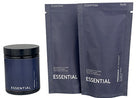


Daily Multivitamin
28 days | 1 tablet per day

Energy

Immunity

Focus

For Everyone
-
 Change or cancel anytime, no binding
-
 We adjust your formula based on how you feel
-
 28 Biodegradable daily packs
-
 Low-waste refill option
-
 Personal food, lifestyle plans and more included


Your Personal Plan, Fairly Priced
Transparent, volume-based pricing that rewards you for building a complete plan.
Most supplement companies charge the same per product whether you buy one or ten. We think that's unfair — packaging, shipping, and handling costs are shared across your entire order.
How it works: The more products in your personalized plan, the lower the cost of each one. Shared costs like daily pouches, your dispenser box, and shipping are split across everything in your box.
No hidden fees. No inflated single-product pricing to make bundles look like deals. Just honest math.
How does this look in practice?
Packaging costs like your biodegradable pouches, dispenser box, and shipping are split across all products. Fewer products = higher cost each. More products = lower cost each. Simple.

We stand by our science — enjoy 90 days risk-free. Read more


Nutritional Information
One tablet typically provide:
Per Portion NRV*
- Vitamin C - 80mg - (100% NRV*)
- Iron - 14mg - (100% NRV*)
- Vitamin E - 12mg a-TE - (100% NRV*)
- Niacin (Vitamin B3) - 16mg NE - (100% NRV*)
- Vitamin A - 800µg RE - (100% NRV*)
- Pantothenic Acid (Vitamin B5) - 6mg - (100% NRV*)
- Vitamin D - 5µg - (100% NRV*)
- Vitamin B6 - 1.4mg - (100% NRV*)
- Riboflavin (Vitamin B2) - 1.4mg - (100% NRV*)
- Thiamin (Vitamin B1) - 1.1mg - (100% NRV*)
- Folic Acid (Vitamin B9) - 200µg - (100% NRV*)
- Biotin - 50µg - (100% NRV*)
- Vitamin B12 - 2.5µg - (100% NRV*)
*NRV=Nutrient Reference Value
Ingredients:
Bulking Agent: Microcrystalline Cellulose, Vitamin C Prep (Ascorbic Acid, Hydroxypropyl Methylcellulose), Iron as Ferrous Fumarate, Vitamin E Prep (Dl Alpha Tocopherol Acetate, Silicon Dioxide), Niacin as Nicotinamide, Anti-Caking Agent: Silicon Dioxide, Vitamin A Prep (Maltodextrin, Dextrin, Modified Starch, Retinol Acetate, Dl Alpha Tocopherol), Pantothenic Acid as D-Calcium Pantothenate, Flow Agent: Magnesium Stearate, Vitamin D3 Prep (Maltodextrin, Modified Starch, Vegetable Oil, Sugar, Vitamin E, Cholecalciferol), Vitamin B6 as Pyridoxine Hydrochloride, Riboflavin, Thiamin as Hydrochloride, Folic Acid, Biotin, Vitamin B12 as Cyanocobalamin.
Suitable for Vegetarians
Allergy Advice:
Although rigorous precautions are taken to prevent any cross contamination, this product is manufactured in a facility that handles allergy-based materials.
Cautions:
Always consult your health practitioner before taking nutritional supplements, especially if you are taking medication or are under medical supervision. Not recommended for use by pregnant or breastfeeding women. You should not take supplements as a substitute for a varied balanced diet or healthy lifestyle. Store in a cool dry place, out of reach of children.
How to Use It
Adults, take 1 tablet daily with water and food.
Do not exceed recommended daily dose.
Take 1 tablet daily with water—ideally with a meal to support better absorption and gentleness on the stomach. Avoid exceeding the recommended daily dose.
Not recommended for children, or during pregnancy or breastfeeding unless advised by a healthcare provider.
- Pair with breakfast or lunch to support absorption and avoid nausea
- Stay consistent—daily use brings the best results
- Store in a cool, dry place to preserve freshness
- If you're unsure whether you need this, try our free online health assessment for a personalized recommendation (no subscription needed)
- Remember: supplements work best alongside a varied diet and healthy lifestyle
Shipping
We ship with all major carriers, including PostNord, DAO, GLS, and Bring, offering 1–2 business day delivery.
Orders are prepared and sent out within 24–48 hours.
Cost varies between DKK 39-52.00
Free Delivery on orders above DKK 500
*The delivery days count from the moment the carrier has received our package.
We also deliver throughout Europe using trusted partners like GLS and EcoParcel.
Delivery times vary by destination, between 4-15 business days, but we always send out our packages within 48 hours of receiving your order.
Cost varies by destination between €9-25.
Free Delivery on orders above €60.
*The delivery days count from the moment the carrier has received our package.
We currently do not ship outside of the European Union, however if you would like to place a order, contact us at hello@persona-path.com and we will try to assist you.
Transparency & Sourcing

At PersonaPath, we believe in full transparency and doing things the right way—from how we formulate our supplements to how we treat the planet.
Our mission is to help people live healthier, more balanced lives, while respecting the world we all share.
Our products are manufactured in the UK, Germany, Slovenia and Latvia under strict quality standards and then packaged and prepared locally in Denmark, where we work closely with Fødevarestyrelsen (Danish Veterinary and Food Administration) to ensure everything meets national safety and labelling requirements.
We work exclusively with a BRC AA–certified manufacturer that follows Good Manufacturing Practices (GMP) and full traceability, from raw ingredients to finished product. All of our formulations are developed by a qualified nutritionist and are based strictly on EFSA-approved claims—with no inflated promises, ever.
We're also proud to take an ethical and sustainable approach. We never work with suppliers who test on animals or use harmful harvesting methods.
Sustainability is not a side project—it’s core to how we operate.
✔ All of our packaging is made from biodegradable materials, durable glass or recycled plastic
✔ We offset our shipping-related CO₂ emissions
✔ We’re partnered with Greenspark, supporting projects like:
– Reforestation
– Ocean plastic cleanup
– Carbon removal & kelp planting
– Fresh water access in vulnerable areas
– Supporting honeybee populations
We are proud to offer clean, honest supplements—made with care, backed by science, and delivered with respect for your health and the planet.
Our products are manufactured in the UK, Germany, Slovenia, and Latvia under strict quality standards, then packaged and prepared locally in Denmark.
We’ve also built a transparent ingredient section on our website, where you can explore every detail of what goes into our products — including the exact type of raw material, EFSA-approved health claims, ingredient origin, and documented benefits.
Supporting ingredients are also fully listed and explained — what they are, what they do, and why we include them. You can find this information under Ingredients → Supporting Ingredients, or directly on each product page by clicking on “Ingredients.”
Finally, our packaging materials are sourced from Germany, Poland, the UK, and Denmark, all produced to meet the highest European standards of safety and sustainability.
Giving Back Together
We’ve partnered with Greenspark to give back where it’s needed most — supporting meaningful environmental and social causes around the world. Each month, we dedicate a portion of our monthly revenue to a new project that creates real impact, from restoring forests and protecting marine ecosystems to supporting local communities.
You can always see the current month’s cause featured at the top of our website or on our social media channels. At the end of each month, we share full transparency — including donation receipts, details about the partner organization, and photos from the project locations — so you can see exactly where your support goes.
We’re proud that our community plays an active role in helping us make a difference. Every purchase contributes to something bigger — together, we’re building a healthier planet and a better future.
The Persona
Promise
Discover what makes us different and why our customers trust us.


At Persona we don't use marketing claims.
Every health benefit you see is approved by european authorities and backed by science.
It's how we build trust.
Vitamin C
- Vitamin C contributes to the normal function of the immune system.
- Vitamin C contributes to normal energy‑yielding metabolism.
- Vitamin C contributes to the reduction of tiredness and fatigue.
Iron
- Iron contributes to the normal function of the immune system.
- Iron contributes to normal energy‑yielding metabolism.
- Iron contributes to the reduction of tiredness and fatigue.
Vitamin A
- Vitamin A contributes to the normal function of the immune system.
Vitamin D
- Vitamin D contributes to the normal function of the immune system.
Folic acid / Folate
- Folate contributes to the normal function of the immune system.
Vitamin B12
- Vitamin B12 contributes to the normal function of the immune system.
- Vitamin B12 contributes to normal energy‑yielding metabolism.
- Vitamin B12 contributes to the reduction of tiredness and fatigue.
Niacin (Vitamin B3)
- Niacin contributes to normal energy‑yielding metabolism.
- Niacin contributes to the reduction of tiredness and fatigue.
Pantothenic acid (Vitamin B5)
- Pantothenic acid contributes to normal energy‑yielding metabolism.
- Pantothenic acid contributes to the reduction of tiredness and fatigue.
Vitamin B6
- Vitamin B6 contributes to normal energy‑yielding metabolism.
- Vitamin B6 contributes to the reduction of tiredness and fatigue.
Riboflavin (Vitamin B2)
- Riboflavin contributes to normal energy‑yielding metabolism.
- Riboflavin contributes to the reduction of tiredness and fatigue.
Thiamin (Vitamin B1)
- Thiamine contributes to normal energy‑yielding metabolism.
Biotin
- Biotin contributes to normal energy‑yielding metabolism.
Niacin (vitamin B3)
- Niacin contributes to normal psychological function.*
- Niacin contributes to normal functioning of the nervous system.*
Vitamin B6 (pyridoxine)
- Vitamin B6 contributes to normal psychological function.*
- Vitamin B6 contributes to normal functioning of the nervous system.*
Riboflavin (vitamin B2)
- Riboflavin contributes to normal functioning of the nervous system.*
Thiamine (vitamin B1)
- Thiamine contributes to normal psychological function.*
- Thiamine contributes to normal functioning of the nervous system.*
Folic acid
- Folate contributes to normal psychological function.*
Biotin
- Biotin contributes to normal functioning of the nervous system.*
Vitamin B12 (cobalamin)
- Vitamin B12 contributes to normal psychological function.*
- Vitamin B12 contributes to normal functioning of the nervous system.*
- Vitamin C contributes to normal collagen formation for the normal function of skin.
- Niacin contributes to the maintenance of normal skin.
- Vitamin A contributes to the maintenance of normal skin.
- Riboflavin contributes to the maintenance of normal skin.
- Biotin contributes to the maintenance of normal skin.
- Vitamin C contributes to normal collagen formation for the normal function of skin, while niacin, vitamin A, riboflavin and biotin contribute to the maintenance of normal skin.
- Biotin contributes to the maintenance of normal hair.
- Vitamin A contributes to the maintenance of normal mucous membranes.
- Riboflavin contributes to the maintenance of normal mucous membranes.
- Biotin contributes to the maintenance of normal mucous membranes.
- Vitamin A, riboflavin and biotin contribute to the maintenance of normal mucous membranes.
- Vitamin E contributes to the protection of cells from oxidative stress.
Understanding Bioavailability
Why the form of a vitamin matters as much as the vitamin itself
The Restaurant Example
Imagine ordering salmon at a restaurant. The menu says "salmon", but what arrives could be perfectly grilled, raw, or still wrapped in plastic. Technically all salmon, but only one is actually nourishing.
Vitamins work the same way. A label might say "Vitamin C 1000 mg," but that vitamin could be in a form your body barely absorbs, or one it uses efficiently. The form determines whether your body can actually use what you're taking.
What Is Bioavailability?
Bioavailability is the amount of a nutrient that actually enters your bloodstream and reaches your cells.
If you take 100 mg of a vitamin but only 20 mg gets absorbed, the bioavailability is 20%. The rest passes through unused.
What affects bioavailability:
- The chemical form of the vitamin
- Your individual gut health and genetics
- What you eat alongside the supplement
Common Vitamin Forms Explained
Methylated Vitamins (Active Forms)
Some people struggle to convert standard vitamins into their active, usable forms due to genetic variations. Methylated vitamins skip that step; they're already active.
Example: Methylcobalamin (B12) vs Cyanocobalamin
- Methylcobalamin Active form, immediately usable
- Cyanocobalamin Synthetic, requires conversion (which 40-60% of people struggle with due to MTHFR gene variants)
Common forms: Methylfolate (5-MTHF), methylcobalamin (B12), P-5-P (B6)
Natural vs Synthetic
"Natural" doesn't automatically mean better; it depends on the specific vitamin.
Example: Vitamin E
- Natural (d-alpha-tocopherol): Derived from plants, more biologically active
- Synthetic (dl-alpha-tocopherol): Contains 8 forms, only one your body prefers
Example: Vitamin C
- Ascorbic acid (synthetic) is molecularly identical to natural vitamin C and equally effective
- Liposomal vitamin C: Wrapped in fat bubbles for enhanced absorption and higher blood levels
Fat-Soluble vs Water-Soluble
Fat-soluble vitamins (A, D, E, K) need fat to be absorbed. Taking them with food containing healthy fats significantly improves uptake.
Water-soluble vitamins (B, C) dissolve in water and are absorbed more easily, but excess is excreted quickly, making sustained-release forms sometimes beneficial.
What "Bioavailable" Actually Means on a Label
When we say "bioavailable form," we mean:
- Active forms that don't require conversion (methylated B vitamins)
- Forms with proven absorption backed by scientific research
- Enhanced delivery systems (like liposomal technology)
What it shouldn't mean: vague marketing language without specifics.
Red flags to watch for:
- No specific form listed (just "Vitamin B12" without the type)
- "Proprietary blends" that hide ingredient amounts
- Claims without any absorption data
The Bottom Line
A cheaper supplement with poor bioavailability isn't a bargain. The best supplements aren't about taking more; they're about absorbing what you take.
What to look for:
- Specific forms clearly listed on the label
- Science-backed forms (methylated, chelated, liposomal)
- Transparency about dosages and sources
At Persona, we choose forms based on scientific evidence for absorption, not what's cheapest to manufacture. Because if your body can't use it, what's the point?
References: EFSA scientific opinions on bioavailability; NIH Office of Dietary Supplements; peer-reviewed studies on vitamin absorption and forms (available upon request).
More than just Supplements
Bioavailable Nutrients

How to Use:
- Take 1 tablet daily with water and food.
The Benefits of Vitamin C
Antioxidant
Vitamin C is a powerful antioxidant essential for immune function, collagen formation, and the protection of cells from oxidative stress. We use vitamin C derived from acerola cherry, a whole-food source that provides naturally occurring bioflavonoids alongside the vitamin C, which may support better absorption compared to synthetic ascorbic acid.
Key Highlights
- Contributes to the normal function of the immune system (EFSA approved)
- Supports normal collagen formation for skin, blood vessels, bones, cartilage, gums, and teeth (EFSA approved)
- Contributes to the protection of cells from oxidative stress (EFSA approved)
- Increases iron absorption (EFSA approved)
- Contributes to the reduction of tiredness and fatigue (EFSA approved)
- Supports normal energy-yielding metabolism (EFSA approved)
- Derived from acerola cherry for enhanced bioavailability
Biochemistry Timeline
Vitamin C is water-soluble, meaning the body does not store it and relies on regular daily intake. Blood levels can improve within days of starting supplementation, and immune function benefits are generally seen with consistent daily intake of 200 mg or more.
For collagen-related benefits (skin firmness, wound healing), consistent supplementation over 8 to 12 weeks is typically needed to see visible improvements, as collagen turnover in the skin is a gradual process.
Energy and Fatigue
Vitamin C contributes to normal energy-yielding metabolism and to the reduction of tiredness and fatigue, both EFSA-approved health claims. It plays a role in the metabolism of fats and the production of carnitine, a molecule that helps transport fatty acids into mitochondria for energy production.
For those experiencing persistent fatigue, ensuring adequate vitamin C intake supports the body's ability to produce energy efficiently. This is particularly relevant for smokers, who have 25% lower plasma vitamin C levels and are recommended to consume an additional 35 mg/day (IOM recommendation).
Antioxidant Protection
Vitamin C is one of the body's primary water-soluble antioxidants. It neutralises free radicals, protects cellular components from oxidative damage, and helps regenerate other antioxidants, including vitamin E.
This antioxidant function is important for overall health, as oxidative stress is implicated in ageing, cardiovascular disease, and various chronic conditions. By choosing acerola cherry as our source, the naturally occurring bioflavonoids and plant compounds provide additional antioxidant support beyond vitamin C alone. EFSA recognises that vitamin C contributes to the protection of cells from oxidative stress.
Summary
Vitamin C is an essential antioxidant that supports immune function, collagen formation, iron absorption, and energy production. We use acerola cherry as a whole-food source, providing naturally occurring bioflavonoids for potentially enhanced absorption. Regular supplementation reduces cold duration and supports the body's daily needs.
As a water-soluble vitamin, consistent daily intake is important since the body does not store vitamin C. It is particularly relevant for those with higher needs, including smokers, women with iron absorption concerns, and anyone seeking to support skin health and immune resilience.
FAQs
Why acerola cherry instead of synthetic vitamin C?
Acerola cherry is one of nature's richest sources of vitamin C and provides it alongside bioflavonoids and other plant compounds that may enhance absorption and provide additional antioxidant benefits. It represents a whole-food approach to vitamin C supplementation.
How much vitamin C do I need daily?
The recommended daily intake for adults in the EU is 80 mg. For immune support during and after exercise, EFSA recognises benefits at 200 mg/day. The European upper limit is 1,000 mg/day from supplements. Most people benefit from 200-500 mg/day.
Can I take too much vitamin C?
Because vitamin C is water-soluble, excess amounts are excreted in urine. However, very high doses (above 1,000 mg/day) can cause digestive discomfort in some people and may increase the risk of kidney stones in susceptible individuals.
Does vitamin C really prevent colds?
Research shows that regular vitamin C supplementation does not prevent colds in the general population but does reduce their duration (by about 8% in adults) and severity. The benefit is more pronounced in those under physical stress.
Is vitamin C safe during pregnancy?
Yes, vitamin C is important during pregnancy for both mother and baby. It supports iron absorption, immune function, and collagen formation. Follow your healthcare provider's guidance on dosage.
Research
Hořavová H et al. – Ceska a Slovenska farmacie : casopis Ceske farmaceuticke spolecnosti a Slovenske farmaceuticke spolecnosti (2025). [Review]. https://pubmed.ncbi.nlm.nih.gov/41412811/
Ivaskiene T et al. – Frontiers in nutrition (2025). [Review]. https://pubmed.ncbi.nlm.nih.gov/41459089/
Kumar V et al. – Recent advances in food, nutrition & agriculture (2025). [Review]. https://pubmed.ncbi.nlm.nih.gov/39108105/
Rawat et al. — J Med Life (2024). [Systematic review & MA]. General
Bayu P et al. – PloS one (2024). [Meta-analysis]. https://pubmed.ncbi.nlm.nih.gov/38820340/
Oargă Porumb DP et al. – Frontiers in pharmacology (2024). [Review]. https://pubmed.ncbi.nlm.nih.gov/38666029/
Hamie H et al. – International journal of women's dermatology (2024). [Review]. https://pubmed.ncbi.nlm.nih.gov/38873621/
Wylenzek F et al. – Archives of gynecology and obstetrics (2024). [Systematic review]. https://pubmed.ncbi.nlm.nih.gov/38935105/
Xu C et al. – Nutrients (2023). [Meta-analysis]. https://pubmed.ncbi.nlm.nih.gov/37111066/
Zheng SH et al. – Reproductive biology and endocrinology : RB&E (2023). [Meta-analysis]. https://pubmed.ncbi.nlm.nih.gov/37644533/
Berry K et al. – Clinics in plastic surgery (2023). [Review]. https://pubmed.ncbi.nlm.nih.gov/37169404/
Dumoulin M et al. - Journal of Cosmetic Dermatology (2023). [RCT]. Skin Health
Lee et al. — RCT (2023). [RCT]. https://pubmed.ncbi.nlm.nih.gov/37786445/
Ordaz G et al. – Actas urologicas espanolas (2023). [Systematic review]. https://pubmed.ncbi.nlm.nih.gov/36754205/
Skolmowska D et al. – Nutrients (2022). [Systematic review]. https://pubmed.ncbi.nlm.nih.gov/35807904/
Berry K et al. – Facial plastic surgery clinics of North America (2022). [Review]. https://pubmed.ncbi.nlm.nih.gov/35934431/
Wiesner A et al. – Pharmaceuticals (Basel, Switzerland) (2021). [Review]. https://pubmed.ncbi.nlm.nih.gov/33801406/
Lykkesfeldt & Tveden-Nyborg — Nutrients (2019). [Review]. https://pubmed.ncbi.nlm.nih.gov/31405241/
Mousavi S et al. - European Journal of Clinical Nutrition (2019). [Meta-Analysis]. https://pubmed.ncbi.nlm.nih.gov/30738092/
DiBaise M et al. – Nutrition in clinical practice : official publication of the American Society for Parenteral and Enteral Nutrition (2019). [Review]. https://pubmed.ncbi.nlm.nih.gov/31144371/
Liugan M et al. – Nutrients (2019). [Review]. https://pubmed.ncbi.nlm.nih.gov/31487891/
Carr AC & Cook J — Front Physiol (2018). [Review]. https://pubmed.ncbi.nlm.nih.gov/29740326/
Carr & Maggini — Nutrients (2017). [Review]. https://pubmed.ncbi.nlm.nih.gov/29099763/
Pullar et al. — Nutrients (2017). [Review]. https://pubmed.ncbi.nlm.nih.gov/28805671/
Carr AC & Maggini S - Nutrients (2017). [Comprehensive Review]. https://pubmed.ncbi.nlm.nih.gov/29099763/
Skelin M et al. – Clinical therapeutics (2017). [Review]. https://pubmed.ncbi.nlm.nih.gov/28153426/
Carr AC & Maggini S — Nutrients (2017). [Review]. https://pubmed.ncbi.nlm.nih.gov/29099763/
Pullar JM et al. — Nutrients (2017). [Review]. https://pubmed.ncbi.nlm.nih.gov/28805671/
Moser & Chun — Adv Nutr (2016). [Review]. General
Moser MA & Chun OK - Nutrients (2016). [Systematic Review]. https://pubmed.ncbi.nlm.nih.gov/27725322/
Smith et al. — Nutrients (2016). [Review]. General
White DJ et al. - Nutrients (2016). [Meta-Analysis]. https://pubmed.ncbi.nlm.nih.gov/28045446/
Kennedy DO - Nutrients (2016). [Comprehensive Review]. https://pubmed.ncbi.nlm.nih.gov/26828517/
Padayatty SJ & Levine M — Oral Dis (2016). [Review]. https://pubmed.ncbi.nlm.nih.gov/26808119/
Moser MA & Chun OK — Int J Mol Sci (2016). [Review]. https://pubmed.ncbi.nlm.nih.gov/27649222/
Bucher A & White N — Front Immunol (2016). [Review]. https://pubmed.ncbi.nlm.nih.gov/27994589/
Lykkesfeldt J et al. - British Journal of Nutrition (2014). [Review]. https://pubmed.ncbi.nlm.nih.gov/24709223/
Lykkesfeldt J et al. — Adv Nutr (2014). [Review]. https://pubmed.ncbi.nlm.nih.gov/24458010/
Hemilä — Cochrane Review (2013 (updated)). [Meta-analysis (29 RCTs)]. https://www.cochranelibrary.com/cdsr/doi/10.1002/14651858.CD000980.pub4
Hemilä & Chalker — Cochrane (2013). [Cochrane MA (29 RCTs)].
Hemilä & Chalker — Cochrane (2013). [Cochrane systematic review (29 RCTs)]. https://pubmed.ncbi.nlm.nih.gov/23440782/
Hemilä H & Chalker E - Cochrane Database of Systematic Reviews (2013). [Cochrane Review]. https://pubmed.ncbi.nlm.nih.gov/23440782/
Hemila H & Chalker E — Cochrane Database Syst Rev (2013). [Cochrane review]. https://pubmed.ncbi.nlm.nih.gov/23440782/
Michaels JA et al. - Advances in Skin & Wound Care (2012). [Systematic Review]. https://pubmed.ncbi.nlm.nih.gov/22441049/
Stough C et al. - Human Psychopharmacology (2011). [RCT]. https://pubmed.ncbi.nlm.nih.gov/21905094/
Cosgrove MC et al. - American Journal of Clinical Nutrition (2007). [Cohort Study]. https://pubmed.ncbi.nlm.nih.gov/17921406/
Fishman SM et al. – Public health nutrition (2000). [Systematic review]. https://pubmed.ncbi.nlm.nih.gov/10948381/
IOM — Smoker recommendation (Established). [Expert guideline]. General
Antioxidant skin protection (Established). [Mechanistic]. General
Vitamin C absorption — whole food vs synthetic (Established). [Comparative]. General
Natural vs synthetic C — established (Established). [Comparative analysis].
51 studies — Vitamin C
Hořavová H et al. – Ceska a Slovenska farmacie : casopis Ceske farmaceuticke spolecnosti a Slovenske farmaceuticke spolecnosti (2025). [Review]. https://pubmed.ncbi.nlm.nih.gov/41412811/
Ivaskiene T et al. – Frontiers in nutrition (2025). [Review]. https://pubmed.ncbi.nlm.nih.gov/41459089/
Kumar V et al. – Recent advances in food, nutrition & agriculture (2025). [Review]. https://pubmed.ncbi.nlm.nih.gov/39108105/
Rawat et al. — J Med Life (2024). [Systematic review & MA]. General
Bayu P et al. – PloS one (2024). [Meta-analysis]. https://pubmed.ncbi.nlm.nih.gov/38820340/
Oargă Porumb DP et al. – Frontiers in pharmacology (2024). [Review]. https://pubmed.ncbi.nlm.nih.gov/38666029/
Hamie H et al. – International journal of women's dermatology (2024). [Review]. https://pubmed.ncbi.nlm.nih.gov/38873621/
Wylenzek F et al. – Archives of gynecology and obstetrics (2024). [Systematic review]. https://pubmed.ncbi.nlm.nih.gov/38935105/
Xu C et al. – Nutrients (2023). [Meta-analysis]. https://pubmed.ncbi.nlm.nih.gov/37111066/
Zheng SH et al. – Reproductive biology and endocrinology : RB&E (2023). [Meta-analysis]. https://pubmed.ncbi.nlm.nih.gov/37644533/
Berry K et al. – Clinics in plastic surgery (2023). [Review]. https://pubmed.ncbi.nlm.nih.gov/37169404/
Dumoulin M et al. - Journal of Cosmetic Dermatology (2023). [RCT]. Skin Health
Lee et al. — RCT (2023). [RCT]. https://pubmed.ncbi.nlm.nih.gov/37786445/
Ordaz G et al. – Actas urologicas espanolas (2023). [Systematic review]. https://pubmed.ncbi.nlm.nih.gov/36754205/
Skolmowska D et al. – Nutrients (2022). [Systematic review]. https://pubmed.ncbi.nlm.nih.gov/35807904/
Berry K et al. – Facial plastic surgery clinics of North America (2022). [Review]. https://pubmed.ncbi.nlm.nih.gov/35934431/
Wiesner A et al. – Pharmaceuticals (Basel, Switzerland) (2021). [Review]. https://pubmed.ncbi.nlm.nih.gov/33801406/
Lykkesfeldt & Tveden-Nyborg — Nutrients (2019). [Review]. https://pubmed.ncbi.nlm.nih.gov/31405241/
Mousavi S et al. - European Journal of Clinical Nutrition (2019). [Meta-Analysis]. https://pubmed.ncbi.nlm.nih.gov/30738092/
DiBaise M et al. – Nutrition in clinical practice : official publication of the American Society for Parenteral and Enteral Nutrition (2019). [Review]. https://pubmed.ncbi.nlm.nih.gov/31144371/
Liugan M et al. – Nutrients (2019). [Review]. https://pubmed.ncbi.nlm.nih.gov/31487891/
Carr AC & Cook J — Front Physiol (2018). [Review]. https://pubmed.ncbi.nlm.nih.gov/29740326/
Carr & Maggini — Nutrients (2017). [Review]. https://pubmed.ncbi.nlm.nih.gov/29099763/
Pullar et al. — Nutrients (2017). [Review]. https://pubmed.ncbi.nlm.nih.gov/28805671/
Carr AC & Maggini S - Nutrients (2017). [Comprehensive Review]. https://pubmed.ncbi.nlm.nih.gov/29099763/
Skelin M et al. – Clinical therapeutics (2017). [Review]. https://pubmed.ncbi.nlm.nih.gov/28153426/
Carr AC & Maggini S — Nutrients (2017). [Review]. https://pubmed.ncbi.nlm.nih.gov/29099763/
Pullar JM et al. — Nutrients (2017). [Review]. https://pubmed.ncbi.nlm.nih.gov/28805671/
Moser & Chun — Adv Nutr (2016). [Review]. General
Moser MA & Chun OK - Nutrients (2016). [Systematic Review]. https://pubmed.ncbi.nlm.nih.gov/27725322/
Smith et al. — Nutrients (2016). [Review]. General
White DJ et al. - Nutrients (2016). [Meta-Analysis]. https://pubmed.ncbi.nlm.nih.gov/28045446/
Kennedy DO - Nutrients (2016). [Comprehensive Review]. https://pubmed.ncbi.nlm.nih.gov/26828517/
Padayatty SJ & Levine M — Oral Dis (2016). [Review]. https://pubmed.ncbi.nlm.nih.gov/26808119/
Moser MA & Chun OK — Int J Mol Sci (2016). [Review]. https://pubmed.ncbi.nlm.nih.gov/27649222/
Bucher A & White N — Front Immunol (2016). [Review]. https://pubmed.ncbi.nlm.nih.gov/27994589/
Lykkesfeldt J et al. - British Journal of Nutrition (2014). [Review]. https://pubmed.ncbi.nlm.nih.gov/24709223/
Lykkesfeldt J et al. — Adv Nutr (2014). [Review]. https://pubmed.ncbi.nlm.nih.gov/24458010/
Hemilä — Cochrane Review (2013 (updated)). [Meta-analysis (29 RCTs)]. https://www.cochranelibrary.com/cdsr/doi/10.1002/14651858.CD000980.pub4
Hemilä & Chalker — Cochrane (2013). [Cochrane MA (29 RCTs)].
Hemilä & Chalker — Cochrane (2013). [Cochrane systematic review (29 RCTs)]. https://pubmed.ncbi.nlm.nih.gov/23440782/
Hemilä H & Chalker E - Cochrane Database of Systematic Reviews (2013). [Cochrane Review]. https://pubmed.ncbi.nlm.nih.gov/23440782/
Hemila H & Chalker E — Cochrane Database Syst Rev (2013). [Cochrane review]. https://pubmed.ncbi.nlm.nih.gov/23440782/
Michaels JA et al. - Advances in Skin & Wound Care (2012). [Systematic Review]. https://pubmed.ncbi.nlm.nih.gov/22441049/
Stough C et al. - Human Psychopharmacology (2011). [RCT]. https://pubmed.ncbi.nlm.nih.gov/21905094/
Cosgrove MC et al. - American Journal of Clinical Nutrition (2007). [Cohort Study]. https://pubmed.ncbi.nlm.nih.gov/17921406/
Fishman SM et al. – Public health nutrition (2000). [Systematic review]. https://pubmed.ncbi.nlm.nih.gov/10948381/
IOM — Smoker recommendation (Established). [Expert guideline]. General
Antioxidant skin protection (Established). [Mechanistic]. General
Vitamin C absorption — whole food vs synthetic (Established). [Comparative]. General
Natural vs synthetic C — established (Established). [Comparative analysis].
The Benefits of Iron
Bioavailable Form
Iron is an essential mineral that plays a central role in oxygen transport, energy production, and immune function. It is a key component of haemoglobin, the protein in red blood cells that carries oxygen from the lungs to every cell in the body. Iron deficiency is one of the most common nutritional deficiencies worldwide, particularly among women of reproductive age.
Key Highlights
- Contributes to normal formation of red blood cells and haemoglobin (EFSA approved)
- Supports normal oxygen transport in the body (EFSA approved)
- Contributes to normal energy-yielding metabolism (EFSA approved)
- Supports the reduction of tiredness and fatigue (EFSA approved)
- Contributes to normal function of the immune system (EFSA approved)
- Supports normal cognitive function (EFSA approved)
- Particularly important for women of reproductive age
Biochemistry Timeline
Iron supplementation typically takes 4 to 12 weeks to replenish depleted stores, depending on the severity of deficiency and the dose used. Improvements in fatigue and energy may be noticed within 2 to 4 weeks, while normalisation of ferritin levels (the body's iron storage marker) often takes 3 months or longer.
Iron is best absorbed on an empty stomach, but if this causes digestive discomfort, taking it with a small amount of food (ideally with vitamin C, which enhances absorption) is a practical alternative. Avoid taking iron alongside calcium, tea, or coffee, as these can reduce absorption.
Hair Health
Iron deficiency is one of the most well-established nutritional causes of hair loss. Hair follicles are among the fastest-dividing cells in the body and are sensitive to nutritional status.
Research by Nagendran & Sakkaravarthi (2024) confirmed that iron deficiency is the most established cause of nutritional hair loss, with a ferritin level below 30 µg/L identified as a key threshold. A broader review (Wang et al., 2024) highlighted iron, zinc, vitamin D, and B vitamins as the most critical nutrients for hair health.
Supplementation has been shown to improve hair outcomes when iron deficiency is present. If you are experiencing hair thinning or increased shedding, checking your iron and ferritin levels is a sensible first step.
Cognitive Function
Iron is essential for normal cognitive function. The brain requires a consistent supply of oxygen, delivered via iron-containing haemoglobin, to function at its best. Iron also plays a role in neurotransmitter synthesis, including dopamine, which is important for focus, motivation, and mental clarity.
Low iron status has been associated with impaired concentration, reduced memory performance, and slower processing speed. These cognitive effects can occur even before anaemia develops, underscoring the importance of maintaining adequate iron stores.
EFSA recognises that iron contributes to normal cognitive function. For women, students, and anyone experiencing brain fog or difficulty concentrating, iron status is worth investigating.
Summary
Iron is essential for oxygen transport, energy production, immune function, and cognitive health. Iron deficiency is one of the most common nutritional deficiencies worldwide, particularly among women of reproductive age, and can cause fatigue, poor concentration, and hair loss even before full anaemia develops.
Supplementation is effective for replenishing depleted stores, with benefits typically noticeable within 2 to 4 weeks and full repletion taking 3 months or more. Iron is best absorbed with vitamin C and away from calcium, tea, or coffee.
FAQs
How do I know if I need iron supplementation?
Common signs of low iron include persistent fatigue, weakness, pale skin, cold hands and feet, brittle nails, hair thinning, and difficulty concentrating. A simple blood test measuring ferritin (iron storage) and haemoglobin can confirm whether supplementation is appropriate.
What ferritin level indicates a need for supplementation?
While laboratories often set the "normal" range from 12 µg/L upwards, many clinicians consider levels below 30 µg/L as insufficient for optimal health, particularly for hair, energy, and exercise performance. Discuss your results with your healthcare provider.
Can iron supplementation cause side effects?
Some people experience digestive discomfort, constipation, or nausea with iron supplements. Taking iron with a small amount of food or choosing a gentle form (such as iron bisglycinate) can help minimise these effects. Starting with a lower dose and gradually increasing can also improve tolerance.
Can I take too much iron?
Yes, excessive iron intake can be harmful. Iron is one of the few minerals where the body has no active excretion mechanism, so it can accumulate. Supplementation should be guided by blood test results, and it is not recommended to take high-dose iron without medical supervision.
Is iron safe during pregnancy?
Iron supplementation is commonly recommended during pregnancy, as iron needs increase significantly to support the growing baby and increased blood volume. Without supplementation, 28-85% of pregnant women may become iron deficient by the third trimester (Milman, 2017). Always follow your healthcare provider's guidance on dosage.
Research
Lancet Haematology 2025 - expert consensus (2025). [Expert consensus]. https://www.thelancet.com/journals/lanhae/article/PIIS2352-3026(25)00006-0/fulltext
Clemente-Suárez VJ et al. – Nutrients (2025). [Systematic review]. https://pubmed.ncbi.nlm.nih.gov/40077754/
Leavitt A et al. – Journal of drugs in dermatology : JDD (2025). [Review]. https://pubmed.ncbi.nlm.nih.gov/40627570/
Hackl LS et al. – Advances in nutrition (Bethesda, Md.) (2025). [Review]. https://pubmed.ncbi.nlm.nih.gov/40020920/
Fiani D et al. – Neuroscience and biobehavioral reviews (2025). [Systematic review]. https://pubmed.ncbi.nlm.nih.gov/40945632/
Srivastava M et al. – Nutrition and health (2025). [Systematic review]. https://pubmed.ncbi.nlm.nih.gov/39569449/
Aziz Ali S et al. – Systematic reviews (2025). [Systematic review]. https://pubmed.ncbi.nlm.nih.gov/39806515/
Watt A et al. – Family practice (2025). [Systematic review]. https://pubmed.ncbi.nlm.nih.gov/39834271/
Coutiño Díaz M et al. – Current nutrition reports (2025). [Systematic review]. https://pubmed.ncbi.nlm.nih.gov/40560510/
Pengelly M et al. – Journal of sport and health science (2025). [Systematic review]. https://pubmed.ncbi.nlm.nih.gov/39536912/
Wang et al. — Mol Nutr Food Res (2024). [Systematic review (49 articles)].
Nagendran & Sakkaravarthi — CosmoDerma (2024). [Review of controversies]. https://cosmoderma.org/controversies-of-micronutrients-supplementation-in-hair-loss/
Finkelstein JL et al. – The Cochrane database of systematic reviews (2024). [Meta-analysis]. https://pubmed.ncbi.nlm.nih.gov/39145520/
Bösch ES et al. – Nutrients (2024). [Systematic review]. https://pubmed.ncbi.nlm.nih.gov/39599580/
Moumin NA et al. – Nutrients (2024). [Systematic review]. https://pubmed.ncbi.nlm.nih.gov/39125379/
O'Toole F et al. – International journal of gynaecology and obstetrics: the official organ of the International Federation of Gynaecology and Obstetrics (2024). [Review]. https://pubmed.ncbi.nlm.nih.gov/38069617/
Einhorn V et al. – Journal of trace elements in medicine and biology : organ of the Society for Minerals and Trace Elements (GMS) (2024). [Review]. https://pubmed.ncbi.nlm.nih.gov/38640745/
Dewey KG et al. – The American journal of clinical nutrition (2024). [Systematic review]. https://pubmed.ncbi.nlm.nih.gov/39154665/
Khan A et al. – Frontiers in neurology (2024). [Systematic review]. https://pubmed.ncbi.nlm.nih.gov/39839869/
Hansen R et al. – Acta obstetricia et gynecologica Scandinavica (2023). [Meta-analysis]. https://pubmed.ncbi.nlm.nih.gov/37403900/
Gutema BT et al. – PloS one (2023). [Meta-analysis]. https://pubmed.ncbi.nlm.nih.gov/37368919/
Fischer JAJ et al. – Nutrition reviews (2023). [Meta-analysis]. https://pubmed.ncbi.nlm.nih.gov/36728680/
Cui Y et al. – Critical reviews in food science and nutrition (2023). [Meta-analysis]. https://pubmed.ncbi.nlm.nih.gov/34666569/
Fischer JAJ et al. – The Journal of nutrition (2023). [RCT]. https://pubmed.ncbi.nlm.nih.gov/37271416/
Finlayson-Trick E et al. – Microbiology spectrum (2023). [RCT]. https://pubmed.ncbi.nlm.nih.gov/37199608/
Adetola OY et al. – International journal of food sciences and nutrition (2023). [Review]. https://pubmed.ncbi.nlm.nih.gov/36843328/
Kardasis W et al. – Nutrients (2023). [Review]. https://pubmed.ncbi.nlm.nih.gov/38068803/
Gomes F et al. – Maternal & child nutrition (2023). [Meta-analysis]. https://pubmed.ncbi.nlm.nih.gov/37002655/
Riccardi S et al. – Journal of clinical sleep medicine : JCSM : official publication of the American Academy of Sleep Medicine (2023). [Meta-analysis]. https://pubmed.ncbi.nlm.nih.gov/36692194/
Padhan P et al. – International journal of rheumatic diseases (2023). [Meta-analysis]. https://pubmed.ncbi.nlm.nih.gov/37137528/
Zare R et al. – Food & function (2023). [Systematic review]. https://pubmed.ncbi.nlm.nih.gov/37272297/
Mislu E et al. – Frontiers in medicine (2023). [Systematic review]. https://pubmed.ncbi.nlm.nih.gov/38188334/
Safarpour Y et al. – Tremor and other hyperkinetic movements (New York, N.Y.) (2023). [Systematic review]. https://pubmed.ncbi.nlm.nih.gov/37008995/
Crider K et al. – The Cochrane database of systematic reviews (2022). [Meta-analysis]. https://pubmed.ncbi.nlm.nih.gov/36321557/
Zhao X et al. – Nutrients (2022). [Meta-analysis]. https://pubmed.ncbi.nlm.nih.gov/35276902/
Bumrungpert A et al. – Nutrients (2022). [RCT]. https://pubmed.ncbi.nlm.nih.gov/35276810/
Uyoga MA et al. – The Journal of nutrition (2022). [RCT]. https://pubmed.ncbi.nlm.nih.gov/34958374/
Piskin E et al. – ACS omega (2022). [Review]. https://pubmed.ncbi.nlm.nih.gov/35755397/
Manapurath RM et al. – Pediatrics (2022). [Meta-analysis]. https://pubmed.ncbi.nlm.nih.gov/35921671/
Dugan C et al. – Journal of cachexia, sarcopenia and muscle (2022). [Meta-analysis]. https://pubmed.ncbi.nlm.nih.gov/36321348/
Keats EC et al. – Nutrition reviews (2022). [Meta-analysis]. https://pubmed.ncbi.nlm.nih.gov/33846729/
Beliveau V et al. – NeuroImage. Clinical (2022). [Meta-analysis]. https://pubmed.ncbi.nlm.nih.gov/35500370/
Tamblyn JA et al. — Fertil Steril (2022). [SR + meta-analysis]. https://pubmed.ncbi.nlm.nih.gov/35637024/
GBD 2021 - DALYs and sex disparities (2021). [Global burden analysis]. https://www.thelancet.com/journals/lancet/article/PIIS0140-6736(23)01338-0/fulltext
Pasricha SR et al. - The Lancet (2021). [Comprehensive Review]. https://pubmed.ncbi.nlm.nih.gov/33285139/
Evang EC et al. – European journal of nutrition (2021). [RCT]. https://pubmed.ncbi.nlm.nih.gov/33355689/
Damian MT et al. – Life (Basel, Switzerland) (2021). [Review]. https://pubmed.ncbi.nlm.nih.gov/34575136/
Gupta R et al. – Sleep medicine reviews (2021). [Meta-analysis]. https://pubmed.ncbi.nlm.nih.gov/33836477/
Malden S et al. – Obesity reviews : an official journal of the International Association for the Study of Obesity (2021). [Meta-analysis]. https://pubmed.ncbi.nlm.nih.gov/32808447/
Larsuphrom P et al. – Nutrients (2021). [Systematic review]. https://pubmed.ncbi.nlm.nih.gov/33513924/
Rashid S et al. — Eur J Haematol (2021). [Review]. https://pubmed.ncbi.nlm.nih.gov/33341967/
Garcia-Casal MN et al. — Cochrane Database Syst Rev (2021). [Cochrane review]. https://pubmed.ncbi.nlm.nih.gov/34028001/
Pasricha SR et al. — Lancet (2021). [Seminar]. https://pubmed.ncbi.nlm.nih.gov/33285139/
Snook J et al. — Gut (2021). [Clinical guideline (BSG)]. https://pubmed.ncbi.nlm.nih.gov/34497146/
Stoffel et al. — Lancet Haematol (2020). [RCT (crossover)]. https://pubmed.ncbi.nlm.nih.gov/32014411/
Oh C et al. – Nutrients (2020). [Meta-analysis]. https://pubmed.ncbi.nlm.nih.gov/32075071/
Ota E et al. – The Cochrane database of systematic reviews (2020). [Meta-analysis]. https://pubmed.ncbi.nlm.nih.gov/33336827/
Mutwiri LN et al. – Advances in nutrition (Bethesda, Md.) (2020). [Systematic review]. https://pubmed.ncbi.nlm.nih.gov/32330226/
Pachikian B et al. – Blood transfusion = Trasfusione del sangue (2020). [RCT]. https://pubmed.ncbi.nlm.nih.gov/32931412/
McCann S et al. – Nutrients (2020). [Systematic review]. https://pubmed.ncbi.nlm.nih.gov/32635675/
McCormick R et al. – Sports medicine (Auckland, N.Z.) (2020). [Review]. https://pubmed.ncbi.nlm.nih.gov/33057935/
Semenova EA et al. – European journal of applied physiology (2020). [Meta-analysis]. https://pubmed.ncbi.nlm.nih.gov/31970519/
Stoffel NU et al. — Blood (2020). [RCT crossover]. https://pubmed.ncbi.nlm.nih.gov/32614951/
Pavord S et al. — Br J Haematol (2020). [Clinical guideline (BSH)]. https://pubmed.ncbi.nlm.nih.gov/31578718/
Fernández-Gaxiola AC et al. – The Cochrane database of systematic reviews (2019). [Meta-analysis]. https://pubmed.ncbi.nlm.nih.gov/30699468/
Rosen GM et al. – The Journal of pediatrics (2019). [RCT]. https://pubmed.ncbi.nlm.nih.gov/30732996/
Miles LF et al. – The Cochrane database of systematic reviews (2019). [Meta-analysis]. https://pubmed.ncbi.nlm.nih.gov/31860749/
Trotti LM et al. – The Cochrane database of systematic reviews (2019). [Meta-analysis]. https://pubmed.ncbi.nlm.nih.gov/30609006/
Avni T et al. – European journal of internal medicine (2019). [Meta-analysis]. https://pubmed.ncbi.nlm.nih.gov/30798983/
Houston et al. — Am J Clin Nutr (2018). [Systematic review & MA (18 RCTs)]. https://pubmed.ncbi.nlm.nih.gov/29868911/
Houston BL et al. - Transfusion Medicine Reviews (2018). [Meta-Analysis]. https://pubmed.ncbi.nlm.nih.gov/29195073/
Name JJ et al. – Current pediatric reviews (2018). [RCT]. https://pubmed.ncbi.nlm.nih.gov/30280670/
Houston BL et al. — Transfus Med Rev (2018). [SR + meta-analysis]. https://pubmed.ncbi.nlm.nih.gov/29195725/
Soppi E — Vox Sang (2018). [Review]. https://pubmed.ncbi.nlm.nih.gov/30182500/
Milman 2017 - pregnancy iron depletion (2017). [Review]. https://pubmed.ncbi.nlm.nih.gov/28189173/
Percy et al. — BMJ (2017). [Systematic review & MA (18 RCTs)]. https://pubmed.ncbi.nlm.nih.gov/28347943/
Monacelli F et al. – Nutrients (2017). [Review]. https://pubmed.ncbi.nlm.nih.gov/28654021/
Fewtrell M et al. – Journal of pediatric gastroenterology and nutrition (2017). [Review]. https://pubmed.ncbi.nlm.nih.gov/28027215/
Bjørklund G et al. – Journal of trace elements in medicine and biology : organ of the Society for Minerals and Trace Elements (GMS) (2017). [Review]. https://pubmed.ncbi.nlm.nih.gov/28347462/
Bechoff A et al. – Annals of the New York Academy of Sciences (2017). [Review]. https://pubmed.ncbi.nlm.nih.gov/28009050/
Fisher AL & Nemeth E — Am J Physiol Cell Physiol (2017). [Review]. https://pubmed.ncbi.nlm.nih.gov/28747356/
Percy L et al. — Lancet (2017). [Review]. https://pubmed.ncbi.nlm.nih.gov/27727564/
Low et al. — Cochrane (2016). [Cochrane systematic review]. https://pubmed.ncbi.nlm.nih.gov/27074700/
Low MSY et al. - Cochrane Database of Systematic Reviews (2016). [Cochrane Review]. https://pubmed.ncbi.nlm.nih.gov/27087396/
Avenell A et al. – The Cochrane database of systematic reviews (2016). [Meta-analysis]. https://pubmed.ncbi.nlm.nih.gov/27898998/
Bonovas S et al. – Medicine (2016). [Meta-analysis]. https://pubmed.ncbi.nlm.nih.gov/26765407/
Devakumar D et al. – BMC medicine (2016). [Meta-analysis]. https://pubmed.ncbi.nlm.nih.gov/27306908/
Low MS et al. — Cochrane Database Syst Rev (2016). [Cochrane review]. https://pubmed.ncbi.nlm.nih.gov/27087396/
Auerbach M & Adamson JW — Am J Hematol (2016). [Review]. https://pubmed.ncbi.nlm.nih.gov/26461309/
Tolkien et al. — PLoS One (2015). [Meta-analysis (43 RCTs)]. https://pubmed.ncbi.nlm.nih.gov/26444285/
Peña-Rosas JP et al. - Cochrane Database of Systematic Reviews (2015). [Cochrane Review]. https://pubmed.ncbi.nlm.nih.gov/26198451/
Tolkien Z et al. – PloS one (2015). [Meta-analysis]. https://pubmed.ncbi.nlm.nih.gov/25700159/
Malkud S – Journal of clinical and diagnostic research : JCDR (2015). [Review]. https://pubmed.ncbi.nlm.nih.gov/26500992/
Camaschella C — N Engl J Med (2015). [Review]. https://pubmed.ncbi.nlm.nih.gov/25946282/
Moretti D et al. — J Nutr (2015). [RCT crossover]. https://pubmed.ncbi.nlm.nih.gov/26338891/
Cantor AG et al. — Ann Intern Med (2015). [Systematic review (USPSTF)]. https://pubmed.ncbi.nlm.nih.gov/26168905/
Tolkien Z et al. — PLoS One (2015). [SR + meta-analysis]. https://pubmed.ncbi.nlm.nih.gov/25700159/
Peña-Rosas JP et al. — Cochrane Database Syst Rev (2015). [Cochrane review]. https://pubmed.ncbi.nlm.nih.gov/26198451/
Lomagno KA et al. – Nutrients (2014). [Systematic review]. https://pubmed.ncbi.nlm.nih.gov/25405366/
Prado EL et al. – Nutrition reviews (2014). [Review]. https://pubmed.ncbi.nlm.nih.gov/24684384/
Grover C et al. – Indian journal of dermatology, venereology and leprology (2013). [Review]. https://pubmed.ncbi.nlm.nih.gov/23974577/
Cancelo-Hidalgo MJ et al. — Curr Med Res Opin (2013). [SR + meta-analysis]. https://pubmed.ncbi.nlm.nih.gov/23339459/
Haider BA et al. — BMJ (2013). [SR + meta-analysis]. https://pubmed.ncbi.nlm.nih.gov/23794316/
Olivares M et al. – Biometals : an international journal on the role of metal ions in biology, biochemistry, and medicine (2012). [Review]. https://pubmed.ncbi.nlm.nih.gov/22297381/
Ferrer I et al. – Journal of neural transmission (Vienna, Austria : 1996) (2011). [Review]. https://pubmed.ncbi.nlm.nih.gov/20862500/
Geisser P & Burckhardt S — Pharmaceutics (2011). [Review]. https://pubmed.ncbi.nlm.nih.gov/24390536/
Milman N — Ann Hematol (2011). [Review]. https://pubmed.ncbi.nlm.nih.gov/21409374/
Falkingham M et al. – Nutrition journal (2010). [Meta-analysis]. https://pubmed.ncbi.nlm.nih.gov/20100340/
Szajewska H et al. – The American journal of clinical nutrition (2010). [Systematic review]. https://pubmed.ncbi.nlm.nih.gov/20410098/
Shrivastava SB – Indian journal of dermatology, venereology and leprology (2009). [Review]. https://pubmed.ncbi.nlm.nih.gov/19172026/
Nair KM et al. – The Indian journal of medical research (2009). [Review]. https://pubmed.ncbi.nlm.nih.gov/20090120/
Hordinsky MK – Seminars in cutaneous medicine and surgery (2006). [Review]. https://pubmed.ncbi.nlm.nih.gov/16616303/
Trost LB et al. – Journal of the American Academy of Dermatology (2006). [Review]. https://pubmed.ncbi.nlm.nih.gov/16635664/
Hurrell RF et al. – International journal for vitamin and nutrition research. Internationale Zeitschrift fur Vitamin- und Ernahrungsforschung. Journal international de vitaminologie et de nutrition (2004). [Review]. https://pubmed.ncbi.nlm.nih.gov/15743016/
López MA et al. – International journal of food sciences and nutrition (2004). [Review]. https://pubmed.ncbi.nlm.nih.gov/16019304/
Teucher B et al. – International journal for vitamin and nutrition research. Internationale Zeitschrift fur Vitamin- und Ernahrungsforschung. Journal international de vitaminologie et de nutrition (2004). [Review]. https://pubmed.ncbi.nlm.nih.gov/15743017/
Kordas K et al. – The Journal of nutrition (2004). [Review]. https://pubmed.ncbi.nlm.nih.gov/15173386/
Hunt — J Nutr (2003). [Review]. https://pubmed.ncbi.nlm.nih.gov/12936958/
Swanson CA – Alcohol (Fayetteville, N.Y.) (2003). [Review]. https://pubmed.ncbi.nlm.nih.gov/12957292/
Iron: tolerable upper intake levels. (2002). [Review]. https://pubmed.ncbi.nlm.nih.gov/12455226/
Ohta H et al. – The Tohoku journal of experimental medicine (2002). [Review]. https://pubmed.ncbi.nlm.nih.gov/12498324/
Haas & Brownlie — J Nutr (2001). [Review]. https://pubmed.ncbi.nlm.nih.gov/11160594/
Jeppsen RB – Archivos latinoamericanos de nutricion (2001). [Review]. https://pubmed.ncbi.nlm.nih.gov/11688078/
Zijp IM et al. – Critical reviews in food science and nutrition (2000). [Review]. https://pubmed.ncbi.nlm.nih.gov/11029010/
Schümann K et al. – Journal of trace elements in medicine and biology : organ of the Society for Minerals and Trace Elements (GMS) (1998). [Review]. https://pubmed.ncbi.nlm.nih.gov/9857325/
Lönnerdal B – Physiological reviews (1997). [Review]. https://pubmed.ncbi.nlm.nih.gov/9234961/
Rushton DH – Dermatologic clinics (1993). [Review]. https://pubmed.ncbi.nlm.nih.gov/8435917/
Gregory JF – Nutrition reviews (1993). [Review]. https://pubmed.ncbi.nlm.nih.gov/8302486/
Monsen ER – Journal of the American Dietetic Association (1988). [Review]. https://pubmed.ncbi.nlm.nih.gov/3290310/
Solomons NW – The Journal of nutrition (1986). [Review]. https://pubmed.ncbi.nlm.nih.gov/3522825/
130 studies — Iron
Lancet Haematology 2025 - expert consensus (2025). [Expert consensus]. https://www.thelancet.com/journals/lanhae/article/PIIS2352-3026(25)00006-0/fulltext
Clemente-Suárez VJ et al. – Nutrients (2025). [Systematic review]. https://pubmed.ncbi.nlm.nih.gov/40077754/
Leavitt A et al. – Journal of drugs in dermatology : JDD (2025). [Review]. https://pubmed.ncbi.nlm.nih.gov/40627570/
Hackl LS et al. – Advances in nutrition (Bethesda, Md.) (2025). [Review]. https://pubmed.ncbi.nlm.nih.gov/40020920/
Fiani D et al. – Neuroscience and biobehavioral reviews (2025). [Systematic review]. https://pubmed.ncbi.nlm.nih.gov/40945632/
Srivastava M et al. – Nutrition and health (2025). [Systematic review]. https://pubmed.ncbi.nlm.nih.gov/39569449/
Aziz Ali S et al. – Systematic reviews (2025). [Systematic review]. https://pubmed.ncbi.nlm.nih.gov/39806515/
Watt A et al. – Family practice (2025). [Systematic review]. https://pubmed.ncbi.nlm.nih.gov/39834271/
Coutiño Díaz M et al. – Current nutrition reports (2025). [Systematic review]. https://pubmed.ncbi.nlm.nih.gov/40560510/
Pengelly M et al. – Journal of sport and health science (2025). [Systematic review]. https://pubmed.ncbi.nlm.nih.gov/39536912/
Wang et al. — Mol Nutr Food Res (2024). [Systematic review (49 articles)].
Nagendran & Sakkaravarthi — CosmoDerma (2024). [Review of controversies]. https://cosmoderma.org/controversies-of-micronutrients-supplementation-in-hair-loss/
Finkelstein JL et al. – The Cochrane database of systematic reviews (2024). [Meta-analysis]. https://pubmed.ncbi.nlm.nih.gov/39145520/
Bösch ES et al. – Nutrients (2024). [Systematic review]. https://pubmed.ncbi.nlm.nih.gov/39599580/
Moumin NA et al. – Nutrients (2024). [Systematic review]. https://pubmed.ncbi.nlm.nih.gov/39125379/
O'Toole F et al. – International journal of gynaecology and obstetrics: the official organ of the International Federation of Gynaecology and Obstetrics (2024). [Review]. https://pubmed.ncbi.nlm.nih.gov/38069617/
Einhorn V et al. – Journal of trace elements in medicine and biology : organ of the Society for Minerals and Trace Elements (GMS) (2024). [Review]. https://pubmed.ncbi.nlm.nih.gov/38640745/
Dewey KG et al. – The American journal of clinical nutrition (2024). [Systematic review]. https://pubmed.ncbi.nlm.nih.gov/39154665/
Khan A et al. – Frontiers in neurology (2024). [Systematic review]. https://pubmed.ncbi.nlm.nih.gov/39839869/
Hansen R et al. – Acta obstetricia et gynecologica Scandinavica (2023). [Meta-analysis]. https://pubmed.ncbi.nlm.nih.gov/37403900/
Gutema BT et al. – PloS one (2023). [Meta-analysis]. https://pubmed.ncbi.nlm.nih.gov/37368919/
Fischer JAJ et al. – Nutrition reviews (2023). [Meta-analysis]. https://pubmed.ncbi.nlm.nih.gov/36728680/
Cui Y et al. – Critical reviews in food science and nutrition (2023). [Meta-analysis]. https://pubmed.ncbi.nlm.nih.gov/34666569/
Fischer JAJ et al. – The Journal of nutrition (2023). [RCT]. https://pubmed.ncbi.nlm.nih.gov/37271416/
Finlayson-Trick E et al. – Microbiology spectrum (2023). [RCT]. https://pubmed.ncbi.nlm.nih.gov/37199608/
Adetola OY et al. – International journal of food sciences and nutrition (2023). [Review]. https://pubmed.ncbi.nlm.nih.gov/36843328/
Kardasis W et al. – Nutrients (2023). [Review]. https://pubmed.ncbi.nlm.nih.gov/38068803/
Gomes F et al. – Maternal & child nutrition (2023). [Meta-analysis]. https://pubmed.ncbi.nlm.nih.gov/37002655/
Riccardi S et al. – Journal of clinical sleep medicine : JCSM : official publication of the American Academy of Sleep Medicine (2023). [Meta-analysis]. https://pubmed.ncbi.nlm.nih.gov/36692194/
Padhan P et al. – International journal of rheumatic diseases (2023). [Meta-analysis]. https://pubmed.ncbi.nlm.nih.gov/37137528/
Zare R et al. – Food & function (2023). [Systematic review]. https://pubmed.ncbi.nlm.nih.gov/37272297/
Mislu E et al. – Frontiers in medicine (2023). [Systematic review]. https://pubmed.ncbi.nlm.nih.gov/38188334/
Safarpour Y et al. – Tremor and other hyperkinetic movements (New York, N.Y.) (2023). [Systematic review]. https://pubmed.ncbi.nlm.nih.gov/37008995/
Crider K et al. – The Cochrane database of systematic reviews (2022). [Meta-analysis]. https://pubmed.ncbi.nlm.nih.gov/36321557/
Zhao X et al. – Nutrients (2022). [Meta-analysis]. https://pubmed.ncbi.nlm.nih.gov/35276902/
Bumrungpert A et al. – Nutrients (2022). [RCT]. https://pubmed.ncbi.nlm.nih.gov/35276810/
Uyoga MA et al. – The Journal of nutrition (2022). [RCT]. https://pubmed.ncbi.nlm.nih.gov/34958374/
Piskin E et al. – ACS omega (2022). [Review]. https://pubmed.ncbi.nlm.nih.gov/35755397/
Manapurath RM et al. – Pediatrics (2022). [Meta-analysis]. https://pubmed.ncbi.nlm.nih.gov/35921671/
Dugan C et al. – Journal of cachexia, sarcopenia and muscle (2022). [Meta-analysis]. https://pubmed.ncbi.nlm.nih.gov/36321348/
Keats EC et al. – Nutrition reviews (2022). [Meta-analysis]. https://pubmed.ncbi.nlm.nih.gov/33846729/
Beliveau V et al. – NeuroImage. Clinical (2022). [Meta-analysis]. https://pubmed.ncbi.nlm.nih.gov/35500370/
Tamblyn JA et al. — Fertil Steril (2022). [SR + meta-analysis]. https://pubmed.ncbi.nlm.nih.gov/35637024/
GBD 2021 - DALYs and sex disparities (2021). [Global burden analysis]. https://www.thelancet.com/journals/lancet/article/PIIS0140-6736(23)01338-0/fulltext
Pasricha SR et al. - The Lancet (2021). [Comprehensive Review]. https://pubmed.ncbi.nlm.nih.gov/33285139/
Evang EC et al. – European journal of nutrition (2021). [RCT]. https://pubmed.ncbi.nlm.nih.gov/33355689/
Damian MT et al. – Life (Basel, Switzerland) (2021). [Review]. https://pubmed.ncbi.nlm.nih.gov/34575136/
Gupta R et al. – Sleep medicine reviews (2021). [Meta-analysis]. https://pubmed.ncbi.nlm.nih.gov/33836477/
Malden S et al. – Obesity reviews : an official journal of the International Association for the Study of Obesity (2021). [Meta-analysis]. https://pubmed.ncbi.nlm.nih.gov/32808447/
Larsuphrom P et al. – Nutrients (2021). [Systematic review]. https://pubmed.ncbi.nlm.nih.gov/33513924/
Rashid S et al. — Eur J Haematol (2021). [Review]. https://pubmed.ncbi.nlm.nih.gov/33341967/
Garcia-Casal MN et al. — Cochrane Database Syst Rev (2021). [Cochrane review]. https://pubmed.ncbi.nlm.nih.gov/34028001/
Pasricha SR et al. — Lancet (2021). [Seminar]. https://pubmed.ncbi.nlm.nih.gov/33285139/
Snook J et al. — Gut (2021). [Clinical guideline (BSG)]. https://pubmed.ncbi.nlm.nih.gov/34497146/
Stoffel et al. — Lancet Haematol (2020). [RCT (crossover)]. https://pubmed.ncbi.nlm.nih.gov/32014411/
Oh C et al. – Nutrients (2020). [Meta-analysis]. https://pubmed.ncbi.nlm.nih.gov/32075071/
Ota E et al. – The Cochrane database of systematic reviews (2020). [Meta-analysis]. https://pubmed.ncbi.nlm.nih.gov/33336827/
Mutwiri LN et al. – Advances in nutrition (Bethesda, Md.) (2020). [Systematic review]. https://pubmed.ncbi.nlm.nih.gov/32330226/
Pachikian B et al. – Blood transfusion = Trasfusione del sangue (2020). [RCT]. https://pubmed.ncbi.nlm.nih.gov/32931412/
McCann S et al. – Nutrients (2020). [Systematic review]. https://pubmed.ncbi.nlm.nih.gov/32635675/
McCormick R et al. – Sports medicine (Auckland, N.Z.) (2020). [Review]. https://pubmed.ncbi.nlm.nih.gov/33057935/
Semenova EA et al. – European journal of applied physiology (2020). [Meta-analysis]. https://pubmed.ncbi.nlm.nih.gov/31970519/
Stoffel NU et al. — Blood (2020). [RCT crossover]. https://pubmed.ncbi.nlm.nih.gov/32614951/
Pavord S et al. — Br J Haematol (2020). [Clinical guideline (BSH)]. https://pubmed.ncbi.nlm.nih.gov/31578718/
Fernández-Gaxiola AC et al. – The Cochrane database of systematic reviews (2019). [Meta-analysis]. https://pubmed.ncbi.nlm.nih.gov/30699468/
Rosen GM et al. – The Journal of pediatrics (2019). [RCT]. https://pubmed.ncbi.nlm.nih.gov/30732996/
Miles LF et al. – The Cochrane database of systematic reviews (2019). [Meta-analysis]. https://pubmed.ncbi.nlm.nih.gov/31860749/
Trotti LM et al. – The Cochrane database of systematic reviews (2019). [Meta-analysis]. https://pubmed.ncbi.nlm.nih.gov/30609006/
Avni T et al. – European journal of internal medicine (2019). [Meta-analysis]. https://pubmed.ncbi.nlm.nih.gov/30798983/
Houston et al. — Am J Clin Nutr (2018). [Systematic review & MA (18 RCTs)]. https://pubmed.ncbi.nlm.nih.gov/29868911/
Houston BL et al. - Transfusion Medicine Reviews (2018). [Meta-Analysis]. https://pubmed.ncbi.nlm.nih.gov/29195073/
Name JJ et al. – Current pediatric reviews (2018). [RCT]. https://pubmed.ncbi.nlm.nih.gov/30280670/
Houston BL et al. — Transfus Med Rev (2018). [SR + meta-analysis]. https://pubmed.ncbi.nlm.nih.gov/29195725/
Soppi E — Vox Sang (2018). [Review]. https://pubmed.ncbi.nlm.nih.gov/30182500/
Milman 2017 - pregnancy iron depletion (2017). [Review]. https://pubmed.ncbi.nlm.nih.gov/28189173/
Percy et al. — BMJ (2017). [Systematic review & MA (18 RCTs)]. https://pubmed.ncbi.nlm.nih.gov/28347943/
Monacelli F et al. – Nutrients (2017). [Review]. https://pubmed.ncbi.nlm.nih.gov/28654021/
Fewtrell M et al. – Journal of pediatric gastroenterology and nutrition (2017). [Review]. https://pubmed.ncbi.nlm.nih.gov/28027215/
Bjørklund G et al. – Journal of trace elements in medicine and biology : organ of the Society for Minerals and Trace Elements (GMS) (2017). [Review]. https://pubmed.ncbi.nlm.nih.gov/28347462/
Bechoff A et al. – Annals of the New York Academy of Sciences (2017). [Review]. https://pubmed.ncbi.nlm.nih.gov/28009050/
Fisher AL & Nemeth E — Am J Physiol Cell Physiol (2017). [Review]. https://pubmed.ncbi.nlm.nih.gov/28747356/
Percy L et al. — Lancet (2017). [Review]. https://pubmed.ncbi.nlm.nih.gov/27727564/
Low et al. — Cochrane (2016). [Cochrane systematic review]. https://pubmed.ncbi.nlm.nih.gov/27074700/
Low MSY et al. - Cochrane Database of Systematic Reviews (2016). [Cochrane Review]. https://pubmed.ncbi.nlm.nih.gov/27087396/
Avenell A et al. – The Cochrane database of systematic reviews (2016). [Meta-analysis]. https://pubmed.ncbi.nlm.nih.gov/27898998/
Bonovas S et al. – Medicine (2016). [Meta-analysis]. https://pubmed.ncbi.nlm.nih.gov/26765407/
Devakumar D et al. – BMC medicine (2016). [Meta-analysis]. https://pubmed.ncbi.nlm.nih.gov/27306908/
Low MS et al. — Cochrane Database Syst Rev (2016). [Cochrane review]. https://pubmed.ncbi.nlm.nih.gov/27087396/
Auerbach M & Adamson JW — Am J Hematol (2016). [Review]. https://pubmed.ncbi.nlm.nih.gov/26461309/
Tolkien et al. — PLoS One (2015). [Meta-analysis (43 RCTs)]. https://pubmed.ncbi.nlm.nih.gov/26444285/
Peña-Rosas JP et al. - Cochrane Database of Systematic Reviews (2015). [Cochrane Review]. https://pubmed.ncbi.nlm.nih.gov/26198451/
Tolkien Z et al. – PloS one (2015). [Meta-analysis]. https://pubmed.ncbi.nlm.nih.gov/25700159/
Malkud S – Journal of clinical and diagnostic research : JCDR (2015). [Review]. https://pubmed.ncbi.nlm.nih.gov/26500992/
Camaschella C — N Engl J Med (2015). [Review]. https://pubmed.ncbi.nlm.nih.gov/25946282/
Moretti D et al. — J Nutr (2015). [RCT crossover]. https://pubmed.ncbi.nlm.nih.gov/26338891/
Cantor AG et al. — Ann Intern Med (2015). [Systematic review (USPSTF)]. https://pubmed.ncbi.nlm.nih.gov/26168905/
Tolkien Z et al. — PLoS One (2015). [SR + meta-analysis]. https://pubmed.ncbi.nlm.nih.gov/25700159/
Peña-Rosas JP et al. — Cochrane Database Syst Rev (2015). [Cochrane review]. https://pubmed.ncbi.nlm.nih.gov/26198451/
Lomagno KA et al. – Nutrients (2014). [Systematic review]. https://pubmed.ncbi.nlm.nih.gov/25405366/
Prado EL et al. – Nutrition reviews (2014). [Review]. https://pubmed.ncbi.nlm.nih.gov/24684384/
Grover C et al. – Indian journal of dermatology, venereology and leprology (2013). [Review]. https://pubmed.ncbi.nlm.nih.gov/23974577/
Cancelo-Hidalgo MJ et al. — Curr Med Res Opin (2013). [SR + meta-analysis]. https://pubmed.ncbi.nlm.nih.gov/23339459/
Haider BA et al. — BMJ (2013). [SR + meta-analysis]. https://pubmed.ncbi.nlm.nih.gov/23794316/
Olivares M et al. – Biometals : an international journal on the role of metal ions in biology, biochemistry, and medicine (2012). [Review]. https://pubmed.ncbi.nlm.nih.gov/22297381/
Ferrer I et al. – Journal of neural transmission (Vienna, Austria : 1996) (2011). [Review]. https://pubmed.ncbi.nlm.nih.gov/20862500/
Geisser P & Burckhardt S — Pharmaceutics (2011). [Review]. https://pubmed.ncbi.nlm.nih.gov/24390536/
Milman N — Ann Hematol (2011). [Review]. https://pubmed.ncbi.nlm.nih.gov/21409374/
Falkingham M et al. – Nutrition journal (2010). [Meta-analysis]. https://pubmed.ncbi.nlm.nih.gov/20100340/
Szajewska H et al. – The American journal of clinical nutrition (2010). [Systematic review]. https://pubmed.ncbi.nlm.nih.gov/20410098/
Shrivastava SB – Indian journal of dermatology, venereology and leprology (2009). [Review]. https://pubmed.ncbi.nlm.nih.gov/19172026/
Nair KM et al. – The Indian journal of medical research (2009). [Review]. https://pubmed.ncbi.nlm.nih.gov/20090120/
Hordinsky MK – Seminars in cutaneous medicine and surgery (2006). [Review]. https://pubmed.ncbi.nlm.nih.gov/16616303/
Trost LB et al. – Journal of the American Academy of Dermatology (2006). [Review]. https://pubmed.ncbi.nlm.nih.gov/16635664/
Hurrell RF et al. – International journal for vitamin and nutrition research. Internationale Zeitschrift fur Vitamin- und Ernahrungsforschung. Journal international de vitaminologie et de nutrition (2004). [Review]. https://pubmed.ncbi.nlm.nih.gov/15743016/
López MA et al. – International journal of food sciences and nutrition (2004). [Review]. https://pubmed.ncbi.nlm.nih.gov/16019304/
Teucher B et al. – International journal for vitamin and nutrition research. Internationale Zeitschrift fur Vitamin- und Ernahrungsforschung. Journal international de vitaminologie et de nutrition (2004). [Review]. https://pubmed.ncbi.nlm.nih.gov/15743017/
Kordas K et al. – The Journal of nutrition (2004). [Review]. https://pubmed.ncbi.nlm.nih.gov/15173386/
Hunt — J Nutr (2003). [Review]. https://pubmed.ncbi.nlm.nih.gov/12936958/
Swanson CA – Alcohol (Fayetteville, N.Y.) (2003). [Review]. https://pubmed.ncbi.nlm.nih.gov/12957292/
Iron: tolerable upper intake levels. (2002). [Review]. https://pubmed.ncbi.nlm.nih.gov/12455226/
Ohta H et al. – The Tohoku journal of experimental medicine (2002). [Review]. https://pubmed.ncbi.nlm.nih.gov/12498324/
Haas & Brownlie — J Nutr (2001). [Review]. https://pubmed.ncbi.nlm.nih.gov/11160594/
Jeppsen RB – Archivos latinoamericanos de nutricion (2001). [Review]. https://pubmed.ncbi.nlm.nih.gov/11688078/
Zijp IM et al. – Critical reviews in food science and nutrition (2000). [Review]. https://pubmed.ncbi.nlm.nih.gov/11029010/
Schümann K et al. – Journal of trace elements in medicine and biology : organ of the Society for Minerals and Trace Elements (GMS) (1998). [Review]. https://pubmed.ncbi.nlm.nih.gov/9857325/
Lönnerdal B – Physiological reviews (1997). [Review]. https://pubmed.ncbi.nlm.nih.gov/9234961/
Rushton DH – Dermatologic clinics (1993). [Review]. https://pubmed.ncbi.nlm.nih.gov/8435917/
Gregory JF – Nutrition reviews (1993). [Review]. https://pubmed.ncbi.nlm.nih.gov/8302486/
Monsen ER – Journal of the American Dietetic Association (1988). [Review]. https://pubmed.ncbi.nlm.nih.gov/3290310/
Solomons NW – The Journal of nutrition (1986). [Review]. https://pubmed.ncbi.nlm.nih.gov/3522825/

The Benefits of Vitamin E
Bioavailable form
Vitamin E is a fat-soluble antioxidant that protects cell membranes from oxidative damage. It plays an important role in immune function, skin health, and cellular protection. As a key defender of the body's lipid structures, vitamin E works alongside vitamin C to provide comprehensive antioxidant coverage.
Key Highlights
- Contributes to the protection of cells from oxidative stress (EFSA approved)
- Fat-soluble antioxidant that protects cell membranes
- Works synergistically with vitamin C for comprehensive antioxidant coverage
- May reduce CRP (inflammatory marker) in those with elevated levels
- Supports skin health and barrier function
- No increase in mortality risk at standard supplementation levels
Biochemistry Timeline
Vitamin E is fat-soluble and stored in body fat and the liver, meaning it takes time to build up to optimal levels. Blood levels typically increase within 2 to 4 weeks of supplementation, while anti-inflammatory benefits (CRP reduction) were more pronounced with longer supplementation periods.
For skin-related benefits, consistent supplementation over 8 to 12 weeks is recommended. Vitamin E is best absorbed when taken with a meal containing dietary fat.
Hormonal Health and PCOS
Emerging research suggests that vitamin E may offer benefits for women with polycystic ovary syndrome (PCOS). A study by Karandish et al. (2022, Scientific Reports) found that vitamin E, alone or in combination with omega-3 and magnesium, reduced triglycerides, VLDL, LDL, hs-CRP, and hirsutism in women with PCOS.
These findings suggest that vitamin E may support metabolic and hormonal parameters in PCOS, though more research is needed. It works best as part of a comprehensive approach alongside lifestyle changes, diet, and appropriate medical care.
Menopausal Support
A 2023 review (Barcikowska et al., Nutrients) found that vitamin E may influence several aspects of menopausal health, including hot flashes, vascular health, lipid profiles, and vaginal changes. The review suggested vitamin E as a potential option when hormone replacement therapy (HRT) is contraindicated.
While vitamin E is not a replacement for HRT when clinically indicated, it may offer gentle support for some menopausal symptoms as part of a broader approach to well-being during this transition. Individual responses vary, and medical guidance should be sought for significant symptoms.
Summary
Vitamin E is a fat-soluble antioxidant that protects cell membranes from oxidative damage and works synergistically with vitamin C. It is important for cellular protection, skin health, and may support anti-inflammatory processes, hormonal balance, and menopausal comfort.
Research confirms no mortality risk at standard doses and meaningful CRP reduction in those with elevated inflammation. Vitamin E is best taken with food containing fat, and benefits develop over 4 to 12 weeks of consistent use.
FAQs
How much vitamin E do I need?
The recommended daily intake for adults in the EU is 12 mg (approximately 18 IU) of alpha-tocopherol. The European upper limit for supplementation is 300 mg per day. Most supplements provide 100-400 IU per day.
Can I get enough vitamin E from food?
A diet rich in nuts, seeds, and healthy oils can provide adequate vitamin E for many people. However, those with low-fat diets, absorption issues, or increased antioxidant needs may benefit from supplementation.
Is there a risk of taking too much?
At standard supplementation levels, vitamin E is safe and well-tolerated. Very high doses (above 800 IU/day) have been debated in research but a 2014 meta-analysis found no increase in mortality at doses up to 800 IU/day.
Should I take natural or synthetic vitamin E?
Natural vitamin E (d-alpha-tocopherol) is more bioavailable than synthetic (dl-alpha-tocopherol). When reading labels, look for the "d-" prefix, which indicates the natural form.
Is vitamin E safe during pregnancy?
Vitamin E is important during pregnancy for its antioxidant properties. Standard recommended amounts are considered safe. Consult your healthcare provider for personalised guidance.
Research
Amin AM et al. – Nutrition research (New York, N.Y.) (2026). [Systematic review]. https://pubmed.ncbi.nlm.nih.gov/41418497/
Ismail YA et al. – BMC neurology (2025). [Systematic review]. https://pubmed.ncbi.nlm.nih.gov/39939901/
Yousefi-Nodeh H et al. – Health care for women international (2024). [RCT]. https://pubmed.ncbi.nlm.nih.gov/36053717/
Malandris K et al. – Journal of gastroenterology and hepatology (2024). [Systematic review]. https://pubmed.ncbi.nlm.nih.gov/38627972/
Chee NM et al. – Journal of gastroenterology and hepatology (2024). [Systematic review]. https://pubmed.ncbi.nlm.nih.gov/39150005/
Wen H et al. – The Cochrane database of systematic reviews (2024). [Systematic review]. https://pubmed.ncbi.nlm.nih.gov/39412049/
Wang Y et al. – Drugs (2024). [Systematic review]. https://pubmed.ncbi.nlm.nih.gov/38478331/
Shan et al. — Nutrients (MDPI) (2023). [Umbrella review (32 MAs, 64 outcomes)]. https://www.mdpi.com/2072-6643/15/15/3301
Barcikowska et al. — Nutrients (2023). [Systematic review (16 studies)].
Linus Pauling Institute / NIH - Micronutrient Information Center (2023). [Expert Review]. Safety/Dosing
Vogli S et al. – Nutrients (2023). [Meta-analysis]. https://pubmed.ncbi.nlm.nih.gov/37686767/
Ghasemi S et al. – BMC oral health (2023). [Meta-analysis]. https://pubmed.ncbi.nlm.nih.gov/38042793/
Ni C et al. – Molecular nutrition & food research (2023). [Meta-analysis]. https://pubmed.ncbi.nlm.nih.gov/37726247/
Wang MY et al. – Journal of digestive diseases (2023). [Meta-analysis]. https://pubmed.ncbi.nlm.nih.gov/37503812/
Gu Y et al. – Expert review of gastroenterology & hepatology (2023). [Systematic review]. https://pubmed.ncbi.nlm.nih.gov/36689199/
Karandish et al. — Sci Rep (2022). [Meta-analysis (10 RCTs)].
Salmani et al. — Clin Nutr ESPEN (2022). [Systematic review & MA].
Ahmad et al. — Sci Rep (2022). [Systematic review & MA (12 RCTs)].
Feduniw S et al. – Nutrients (2022). [Systematic review]. https://pubmed.ncbi.nlm.nih.gov/36615817/
Poonyam P et al. – Asian Pacific journal of cancer prevention : APJCP (2022). [Meta-analysis]. https://pubmed.ncbi.nlm.nih.gov/36172650/
Wang J et al. – Oxidative medicine and cellular longevity (2021). [Meta-analysis]. https://pubmed.ncbi.nlm.nih.gov/34616506/
Ashley S et al. – Nutritional neuroscience (2021). [Meta-analysis]. https://pubmed.ncbi.nlm.nih.gov/31661399/
Vadarlis A et al. – Journal of gastroenterology and hepatology (2021). [Meta-analysis]. https://pubmed.ncbi.nlm.nih.gov/32810309/
Lin M et al. – Clinics and research in hepatology and gastroenterology (2021). [Meta-analysis]. https://pubmed.ncbi.nlm.nih.gov/33272889/
Asbaghi et al. — Scientific Reports (Nature) (2020). [Meta-analysis (26 RCTs)]. https://www.nature.com/articles/s41598-020-73741-6
Asbaghi O et al. - Clinical Nutrition ESPEN (2020). [Meta-Analysis]. https://pubmed.ncbi.nlm.nih.gov/32085897/
Ataei-Almanghadim K et al. – Complementary therapies in medicine (2020). [RCT]. https://pubmed.ncbi.nlm.nih.gov/31987231/
Lewis et al. — Cochrane (2019). [Cochrane systematic review]. https://pubmed.ncbi.nlm.nih.gov/31528965/
Jayedi A et al. – Advances in nutrition (Bethesda, Md.) (2018). [Meta-analysis]. https://pubmed.ncbi.nlm.nih.gov/30239557/
Shatzel JJ et al. – Journal of thrombosis and haemostasis : JTH (2017). [Review]. https://pubmed.ncbi.nlm.nih.gov/28182323/
Farina N et al. – The Cochrane database of systematic reviews (2017). [Meta-analysis]. https://pubmed.ncbi.nlm.nih.gov/28128435/
Farina N et al. – The Cochrane database of systematic reviews (2017). [Systematic review]. https://pubmed.ncbi.nlm.nih.gov/28418065/
Xu W et al. – Journal of neurology, neurosurgery, and psychiatry (2015). [Meta-analysis]. https://pubmed.ncbi.nlm.nih.gov/26294005/
Abner et al. — Cardiovascular Drugs & Therapy (2014). [Meta-analysis (18 RCTs)]. https://link.springer.com/article/10.1007/s10557-014-6560-7
Rizvi et al. — Int J Prev Med (2014). [Review]. https://pubmed.ncbi.nlm.nih.gov/25489440/
Dysken ME et al. - JAMA (TEAM-AD) (2014). [RCT]. https://pubmed.ncbi.nlm.nih.gov/24381967/
Traber MG - Free Radical Biology and Medicine (2014). [Expert Review]. https://pubmed.ncbi.nlm.nih.gov/24746618/
Gutarra-Vilchez RB et al. – The Cochrane database of systematic reviews (2014). [Meta-analysis]. https://pubmed.ncbi.nlm.nih.gov/25310622/
Lopes da Silva S et al. – Alzheimer's & dementia : the journal of the Alzheimer's Association (2014). [Meta-analysis]. https://pubmed.ncbi.nlm.nih.gov/24144963/
Showell MG et al. – The Cochrane database of systematic reviews (2013). [Systematic review]. https://pubmed.ncbi.nlm.nih.gov/23913583/
Farina N et al. – The Cochrane database of systematic reviews (2012). [Meta-analysis]. https://pubmed.ncbi.nlm.nih.gov/23152215/
Biglia N et al. – Climacteric : the journal of the International Menopause Society (2009). [RCT]. https://pubmed.ncbi.nlm.nih.gov/19415540/
Isaac MG et al. – The Cochrane database of systematic reviews (2008). [Meta-analysis]. https://pubmed.ncbi.nlm.nih.gov/18646084/
Bordeleau L et al. – Clinical therapeutics (2007). [Systematic review]. https://pubmed.ncbi.nlm.nih.gov/17472816/
Ziaei S et al. – Gynecologic and obstetric investigation (2007). [RCT]. https://pubmed.ncbi.nlm.nih.gov/17664882/
Lee et al. — JAMA Cardiol (2005). [Meta-analysis (19 RCTs)]. https://pubmed.ncbi.nlm.nih.gov/15537682/
Miller ER et al. - Annals of Internal Medicine (2005). [Meta-Analysis]. https://pubmed.ncbi.nlm.nih.gov/15668483/
Chertow B – MedGenMed : Medscape general medicine (2004). [Review]. https://pubmed.ncbi.nlm.nih.gov/15647709/
Heck AM et al. – American journal of health-system pharmacy : AJHP : official journal of the American Society of Health-System Pharmacists (2000). [Review]. https://pubmed.ncbi.nlm.nih.gov/10902065/
Tabet N et al. – The Cochrane database of systematic reviews (2000). [Systematic review]. https://pubmed.ncbi.nlm.nih.gov/11034775/
50 studies — Vitamin E
Amin AM et al. – Nutrition research (New York, N.Y.) (2026). [Systematic review]. https://pubmed.ncbi.nlm.nih.gov/41418497/
Ismail YA et al. – BMC neurology (2025). [Systematic review]. https://pubmed.ncbi.nlm.nih.gov/39939901/
Yousefi-Nodeh H et al. – Health care for women international (2024). [RCT]. https://pubmed.ncbi.nlm.nih.gov/36053717/
Malandris K et al. – Journal of gastroenterology and hepatology (2024). [Systematic review]. https://pubmed.ncbi.nlm.nih.gov/38627972/
Chee NM et al. – Journal of gastroenterology and hepatology (2024). [Systematic review]. https://pubmed.ncbi.nlm.nih.gov/39150005/
Wen H et al. – The Cochrane database of systematic reviews (2024). [Systematic review]. https://pubmed.ncbi.nlm.nih.gov/39412049/
Wang Y et al. – Drugs (2024). [Systematic review]. https://pubmed.ncbi.nlm.nih.gov/38478331/
Shan et al. — Nutrients (MDPI) (2023). [Umbrella review (32 MAs, 64 outcomes)]. https://www.mdpi.com/2072-6643/15/15/3301
Barcikowska et al. — Nutrients (2023). [Systematic review (16 studies)].
Linus Pauling Institute / NIH - Micronutrient Information Center (2023). [Expert Review]. Safety/Dosing
Vogli S et al. – Nutrients (2023). [Meta-analysis]. https://pubmed.ncbi.nlm.nih.gov/37686767/
Ghasemi S et al. – BMC oral health (2023). [Meta-analysis]. https://pubmed.ncbi.nlm.nih.gov/38042793/
Ni C et al. – Molecular nutrition & food research (2023). [Meta-analysis]. https://pubmed.ncbi.nlm.nih.gov/37726247/
Wang MY et al. – Journal of digestive diseases (2023). [Meta-analysis]. https://pubmed.ncbi.nlm.nih.gov/37503812/
Gu Y et al. – Expert review of gastroenterology & hepatology (2023). [Systematic review]. https://pubmed.ncbi.nlm.nih.gov/36689199/
Karandish et al. — Sci Rep (2022). [Meta-analysis (10 RCTs)].
Salmani et al. — Clin Nutr ESPEN (2022). [Systematic review & MA].
Ahmad et al. — Sci Rep (2022). [Systematic review & MA (12 RCTs)].
Feduniw S et al. – Nutrients (2022). [Systematic review]. https://pubmed.ncbi.nlm.nih.gov/36615817/
Poonyam P et al. – Asian Pacific journal of cancer prevention : APJCP (2022). [Meta-analysis]. https://pubmed.ncbi.nlm.nih.gov/36172650/
Wang J et al. – Oxidative medicine and cellular longevity (2021). [Meta-analysis]. https://pubmed.ncbi.nlm.nih.gov/34616506/
Ashley S et al. – Nutritional neuroscience (2021). [Meta-analysis]. https://pubmed.ncbi.nlm.nih.gov/31661399/
Vadarlis A et al. – Journal of gastroenterology and hepatology (2021). [Meta-analysis]. https://pubmed.ncbi.nlm.nih.gov/32810309/
Lin M et al. – Clinics and research in hepatology and gastroenterology (2021). [Meta-analysis]. https://pubmed.ncbi.nlm.nih.gov/33272889/
Asbaghi et al. — Scientific Reports (Nature) (2020). [Meta-analysis (26 RCTs)]. https://www.nature.com/articles/s41598-020-73741-6
Asbaghi O et al. - Clinical Nutrition ESPEN (2020). [Meta-Analysis]. https://pubmed.ncbi.nlm.nih.gov/32085897/
Ataei-Almanghadim K et al. – Complementary therapies in medicine (2020). [RCT]. https://pubmed.ncbi.nlm.nih.gov/31987231/
Lewis et al. — Cochrane (2019). [Cochrane systematic review]. https://pubmed.ncbi.nlm.nih.gov/31528965/
Jayedi A et al. – Advances in nutrition (Bethesda, Md.) (2018). [Meta-analysis]. https://pubmed.ncbi.nlm.nih.gov/30239557/
Shatzel JJ et al. – Journal of thrombosis and haemostasis : JTH (2017). [Review]. https://pubmed.ncbi.nlm.nih.gov/28182323/
Farina N et al. – The Cochrane database of systematic reviews (2017). [Meta-analysis]. https://pubmed.ncbi.nlm.nih.gov/28128435/
Farina N et al. – The Cochrane database of systematic reviews (2017). [Systematic review]. https://pubmed.ncbi.nlm.nih.gov/28418065/
Xu W et al. – Journal of neurology, neurosurgery, and psychiatry (2015). [Meta-analysis]. https://pubmed.ncbi.nlm.nih.gov/26294005/
Abner et al. — Cardiovascular Drugs & Therapy (2014). [Meta-analysis (18 RCTs)]. https://link.springer.com/article/10.1007/s10557-014-6560-7
Rizvi et al. — Int J Prev Med (2014). [Review]. https://pubmed.ncbi.nlm.nih.gov/25489440/
Dysken ME et al. - JAMA (TEAM-AD) (2014). [RCT]. https://pubmed.ncbi.nlm.nih.gov/24381967/
Traber MG - Free Radical Biology and Medicine (2014). [Expert Review]. https://pubmed.ncbi.nlm.nih.gov/24746618/
Gutarra-Vilchez RB et al. – The Cochrane database of systematic reviews (2014). [Meta-analysis]. https://pubmed.ncbi.nlm.nih.gov/25310622/
Lopes da Silva S et al. – Alzheimer's & dementia : the journal of the Alzheimer's Association (2014). [Meta-analysis]. https://pubmed.ncbi.nlm.nih.gov/24144963/
Showell MG et al. – The Cochrane database of systematic reviews (2013). [Systematic review]. https://pubmed.ncbi.nlm.nih.gov/23913583/
Farina N et al. – The Cochrane database of systematic reviews (2012). [Meta-analysis]. https://pubmed.ncbi.nlm.nih.gov/23152215/
Biglia N et al. – Climacteric : the journal of the International Menopause Society (2009). [RCT]. https://pubmed.ncbi.nlm.nih.gov/19415540/
Isaac MG et al. – The Cochrane database of systematic reviews (2008). [Meta-analysis]. https://pubmed.ncbi.nlm.nih.gov/18646084/
Bordeleau L et al. – Clinical therapeutics (2007). [Systematic review]. https://pubmed.ncbi.nlm.nih.gov/17472816/
Ziaei S et al. – Gynecologic and obstetric investigation (2007). [RCT]. https://pubmed.ncbi.nlm.nih.gov/17664882/
Lee et al. — JAMA Cardiol (2005). [Meta-analysis (19 RCTs)]. https://pubmed.ncbi.nlm.nih.gov/15537682/
Miller ER et al. - Annals of Internal Medicine (2005). [Meta-Analysis]. https://pubmed.ncbi.nlm.nih.gov/15668483/
Chertow B – MedGenMed : Medscape general medicine (2004). [Review]. https://pubmed.ncbi.nlm.nih.gov/15647709/
Heck AM et al. – American journal of health-system pharmacy : AJHP : official journal of the American Society of Health-System Pharmacists (2000). [Review]. https://pubmed.ncbi.nlm.nih.gov/10902065/
Tabet N et al. – The Cochrane database of systematic reviews (2000). [Systematic review]. https://pubmed.ncbi.nlm.nih.gov/11034775/
The Benefits of Niacin
Stable form
Niacin (Vitamin B3) is an essential water-soluble vitamin that plays a central role in energy metabolism. It is a precursor to NAD and NADP, two coenzymes involved in over 400 enzymatic reactions in the body. Niacin supports energy production, DNA repair, skin health, and nervous system function.
Key Highlights
- Contributes to normal energy-yielding metabolism (EFSA approved)
- Supports the reduction of tiredness and fatigue (EFSA approved)
- Contributes to maintenance of normal skin and mucous membranes (EFSA approved)
- Supports normal psychological function (EFSA approved)
- Contributes to normal functioning of the nervous system (EFSA approved)
- NAD/NADP coenzymes involved in over 400 enzymatic reactions
Biochemistry Timeline
Niacin is water-soluble and quickly absorbed. Blood levels respond within days. Note: nicotinic acid (one form of niacin) can cause a harmless "flush" (warmth, redness of skin) at higher doses. Nicotinamide does not cause this effect.
DNA Repair and Cellular Health
NAD plays a role in DNA repair through enzymes called PARPs (poly ADP-ribose polymerases) and sirtuins. These pathways are increasingly recognised as important for cellular maintenance and longevity. Adequate niacin intake supports the body's ability to repair DNA damage from normal metabolic processes and environmental exposures.
Cardiovascular Support
High-dose nicotinic acid has been used clinically to support healthy cholesterol levels. However, this is a pharmaceutical application at doses well above nutritional supplementation and should only be used under medical supervision. At nutritional doses, niacin supports overall cardiovascular health through its role in energy metabolism and cellular function.
Summary
Niacin (Vitamin B3) is a versatile vitamin whose coenzyme forms (NAD, NADP) are involved in over 400 reactions. It supports energy metabolism, skin health, nervous system function, and DNA repair. EFSA recognises multiple health claims including contributions to energy metabolism, tiredness reduction, skin maintenance, and psychological function.
FAQs
What is the "niacin flush"?
Nicotinic acid can cause a harmless temporary warmth and redness of the skin. This is called the niacin flush and is not dangerous. Nicotinamide (niacinamide) does not cause this effect.
How much niacin do I need?
The recommended daily intake for adults is 13-16 mg NE (niacin equivalents). The European upper limit for nicotinic acid is 10 mg/day; for nicotinamide it is 900 mg/day.
Is niacin safe during pregnancy?
Yes, niacin is essential during pregnancy. Recommended intake is slightly higher during pregnancy.
Research
Højfeldt G, Michaud J, Damgaard A et al. (2026). Nicotinamide and Pyridoxine Supplementation Enhances Muscle Stem Cell Activity and Muscle Regeneration in Humans: A Randomized Placebo-Controlled Clinical Trial of High Force Eccentric Contraction Recovery in Healthy Young Men. Adv Sci (Weinh). https://pubmed.ncbi.nlm.nih.gov/41874466/
Berven H, Svensen M, Eikeland H et al. (2026). The NAD-brain pharmacokinetic study of NAD augmentation in blood and brain using oral precursor supplementation. iScience. https://pubmed.ncbi.nlm.nih.gov/41858901/
Li Y, Bao T, Gao L et al. (2026). Aging Triggers an Intestinal Energy Crisis and HDL3 Deficiency Disrupting Gut-Liver Axis Homeostasis. Aging Cell. https://pubmed.ncbi.nlm.nih.gov/41851037/
Sayles NM, Casalena G, Zhao D et al. (2026). Pregnancy precipitates metabolic imbalance and accelerates death in an animal model of mitochondrial cardiomyopathy. Mol Metab. https://pubmed.ncbi.nlm.nih.gov/41850395/
Qian X, Xu L, Zheng Y et al. (2026). Senescence-associated metabolic alterations aggravate calcific aortic valve disease. Eur Heart J. https://pubmed.ncbi.nlm.nih.gov/41841768/
Zhang F, Zhang H, Wang P et al. (2026). The NAD salvage pathway enzyme NMNAT-C sustains dark-phase NAD+ homeostasis in cyanobacteria. Plant Physiol. https://pubmed.ncbi.nlm.nih.gov/41838801/
Bai Y, Zhou Y, Wang G et al. (2026). Niacin Mitigates Cyclophosphamide-Induced Immunosuppression by Maintaining Intestinal Homeostasis and Regulating the HCAR2/NLRP3 and PTGS2/PGE2 Signaling Pathways. Nutrients. https://pubmed.ncbi.nlm.nih.gov/41829914/
Granvillano G, Mercogliano M, Vecchietti A et al. (2026). An Umbrella Review on the Prevention of Skin Diseases: Do Specific Nutrients Play a Protective Role?. Prev Nutr Food Sci [Review]. https://pubmed.ncbi.nlm.nih.gov/41815197/
Carpenter BJ, Lecacheur M, Mangold YN et al. (2026). NAD(+) controls circadian rhythmicity during cardiac aging. Commun Biol. https://pubmed.ncbi.nlm.nih.gov/41813966/
Pei Z, Liang F, Wang X et al. (2026). NAD⁺ as a central metabolic hub Regulating the hallmarks of aging: Mechanisms and therapeutic implications. Mech Ageing Dev. https://pubmed.ncbi.nlm.nih.gov/41812700/
Huang J, Qin Q, Li X et al. (2026). Bacteroides-associated NAD⁺ depletion correlates with exacerbated radiation-induced colorectal injury and impaired mucosal proliferative capacity. Gut Microbes. https://pubmed.ncbi.nlm.nih.gov/41807298/
Zhou H, Zhao X, Li Y et al. (2026). Nicotinamide mononucleotide supplementation modulates gut microbiota and metabolites to mitigate Alzheimer's disease pathology in APP/PS1 mice. J Alzheimers Dis. https://pubmed.ncbi.nlm.nih.gov/41805251/
Zhou E, Zhao H, Yu Y et al. (2026). Combined exposure of cold and hypoxia: a driver for hypertension and the underlying role of the microbiota-gut-brain axis. J Hypertens. https://pubmed.ncbi.nlm.nih.gov/41800819/
Huang Y, Zhao E, Zhao G et al. (2026). H3K18 lactylation-mediated SPHK1-SIRT1 feedback loop accelerates pyroptosis of tubular epithelial cells in sepsis-associated acute kidney injury. Theranostics. https://pubmed.ncbi.nlm.nih.gov/41799201/
Dong M, Zhang Q, Wang Y et al. (2026). Restructuring tilth layers suppresses cotton Verticillium wilt through the niacinamide-mediated enrichment of beneficial Pseudomonas. Microbiol Res. https://pubmed.ncbi.nlm.nih.gov/41793890/
Saida M, Saeki N, Sakai H et al. (2026). β-Nicotinamide mononucleotide preserves muscle strength in septic male mice. Sci Rep. https://pubmed.ncbi.nlm.nih.gov/41792260/
Kim JH, Park SJ, Lee JA et al. (2026). PRPS1 (p.V42L) Mutation in Arts Syndrome Induces Aberrant Neural Stem Cell Development and Neuronal Senescence-Like Phenotype: Rescue by Nicotinamide Mononucleotide Supplementation. Int J Stem Cells. https://pubmed.ncbi.nlm.nih.gov/41787648/
Zhou Y, Wu X, Xu X et al. (2026). Sirt1-eIF2α axis drives pro-inflammatory macrophage activation through ER stress aggravating liver IRI in aged mice. Biochem Biophys Res Commun. https://pubmed.ncbi.nlm.nih.gov/41775225/
Zhang D, Li Z, Meng X et al. (2026). Nicotinamide Mononucleotide Decreases Secretion of Proinflammatory Cytokines via the NAD (+) /SIRT1/p65 Axis. ACS Omega. https://pubmed.ncbi.nlm.nih.gov/41768621/
Jin X, Luo X, Shen W et al. (2026). Nicotinamide Riboside Alleviates Heat Stress-Induced Intestinal Dysfunction by Enhancing Antioxidant Capacity, Restoring Immune Homeostasis, and Modulating Gut Microbiota in a Boar Model. Mol Nutr Food Res. https://pubmed.ncbi.nlm.nih.gov/41761881/
20 studies — Niacin
Højfeldt G, Michaud J, Damgaard A et al. (2026). Nicotinamide and Pyridoxine Supplementation Enhances Muscle Stem Cell Activity and Muscle Regeneration in Humans: A Randomized Placebo-Controlled Clinical Trial of High Force Eccentric Contraction Recovery in Healthy Young Men. Adv Sci (Weinh). https://pubmed.ncbi.nlm.nih.gov/41874466/
Berven H, Svensen M, Eikeland H et al. (2026). The NAD-brain pharmacokinetic study of NAD augmentation in blood and brain using oral precursor supplementation. iScience. https://pubmed.ncbi.nlm.nih.gov/41858901/
Li Y, Bao T, Gao L et al. (2026). Aging Triggers an Intestinal Energy Crisis and HDL3 Deficiency Disrupting Gut-Liver Axis Homeostasis. Aging Cell. https://pubmed.ncbi.nlm.nih.gov/41851037/
Sayles NM, Casalena G, Zhao D et al. (2026). Pregnancy precipitates metabolic imbalance and accelerates death in an animal model of mitochondrial cardiomyopathy. Mol Metab. https://pubmed.ncbi.nlm.nih.gov/41850395/
Qian X, Xu L, Zheng Y et al. (2026). Senescence-associated metabolic alterations aggravate calcific aortic valve disease. Eur Heart J. https://pubmed.ncbi.nlm.nih.gov/41841768/
Zhang F, Zhang H, Wang P et al. (2026). The NAD salvage pathway enzyme NMNAT-C sustains dark-phase NAD+ homeostasis in cyanobacteria. Plant Physiol. https://pubmed.ncbi.nlm.nih.gov/41838801/
Bai Y, Zhou Y, Wang G et al. (2026). Niacin Mitigates Cyclophosphamide-Induced Immunosuppression by Maintaining Intestinal Homeostasis and Regulating the HCAR2/NLRP3 and PTGS2/PGE2 Signaling Pathways. Nutrients. https://pubmed.ncbi.nlm.nih.gov/41829914/
Granvillano G, Mercogliano M, Vecchietti A et al. (2026). An Umbrella Review on the Prevention of Skin Diseases: Do Specific Nutrients Play a Protective Role?. Prev Nutr Food Sci [Review]. https://pubmed.ncbi.nlm.nih.gov/41815197/
Carpenter BJ, Lecacheur M, Mangold YN et al. (2026). NAD(+) controls circadian rhythmicity during cardiac aging. Commun Biol. https://pubmed.ncbi.nlm.nih.gov/41813966/
Pei Z, Liang F, Wang X et al. (2026). NAD⁺ as a central metabolic hub Regulating the hallmarks of aging: Mechanisms and therapeutic implications. Mech Ageing Dev. https://pubmed.ncbi.nlm.nih.gov/41812700/
Huang J, Qin Q, Li X et al. (2026). Bacteroides-associated NAD⁺ depletion correlates with exacerbated radiation-induced colorectal injury and impaired mucosal proliferative capacity. Gut Microbes. https://pubmed.ncbi.nlm.nih.gov/41807298/
Zhou H, Zhao X, Li Y et al. (2026). Nicotinamide mononucleotide supplementation modulates gut microbiota and metabolites to mitigate Alzheimer's disease pathology in APP/PS1 mice. J Alzheimers Dis. https://pubmed.ncbi.nlm.nih.gov/41805251/
Zhou E, Zhao H, Yu Y et al. (2026). Combined exposure of cold and hypoxia: a driver for hypertension and the underlying role of the microbiota-gut-brain axis. J Hypertens. https://pubmed.ncbi.nlm.nih.gov/41800819/
Huang Y, Zhao E, Zhao G et al. (2026). H3K18 lactylation-mediated SPHK1-SIRT1 feedback loop accelerates pyroptosis of tubular epithelial cells in sepsis-associated acute kidney injury. Theranostics. https://pubmed.ncbi.nlm.nih.gov/41799201/
Dong M, Zhang Q, Wang Y et al. (2026). Restructuring tilth layers suppresses cotton Verticillium wilt through the niacinamide-mediated enrichment of beneficial Pseudomonas. Microbiol Res. https://pubmed.ncbi.nlm.nih.gov/41793890/
Saida M, Saeki N, Sakai H et al. (2026). β-Nicotinamide mononucleotide preserves muscle strength in septic male mice. Sci Rep. https://pubmed.ncbi.nlm.nih.gov/41792260/
Kim JH, Park SJ, Lee JA et al. (2026). PRPS1 (p.V42L) Mutation in Arts Syndrome Induces Aberrant Neural Stem Cell Development and Neuronal Senescence-Like Phenotype: Rescue by Nicotinamide Mononucleotide Supplementation. Int J Stem Cells. https://pubmed.ncbi.nlm.nih.gov/41787648/
Zhou Y, Wu X, Xu X et al. (2026). Sirt1-eIF2α axis drives pro-inflammatory macrophage activation through ER stress aggravating liver IRI in aged mice. Biochem Biophys Res Commun. https://pubmed.ncbi.nlm.nih.gov/41775225/
Zhang D, Li Z, Meng X et al. (2026). Nicotinamide Mononucleotide Decreases Secretion of Proinflammatory Cytokines via the NAD (+) /SIRT1/p65 Axis. ACS Omega. https://pubmed.ncbi.nlm.nih.gov/41768621/
Jin X, Luo X, Shen W et al. (2026). Nicotinamide Riboside Alleviates Heat Stress-Induced Intestinal Dysfunction by Enhancing Antioxidant Capacity, Restoring Immune Homeostasis, and Modulating Gut Microbiota in a Boar Model. Mol Nutr Food Res. https://pubmed.ncbi.nlm.nih.gov/41761881/
The Benefits of Vitamin A
Active form
Vitamin A is a fat-soluble vitamin essential for vision, immune function, skin health, and cell differentiation. It exists in two forms: preformed vitamin A (retinol, found in animal products) and provitamin A (beta-carotene, found in colourful fruits and vegetables). Adequate vitamin A supports the body's natural defence systems and the maintenance of healthy skin and mucous membranes.
Key Highlights
- Contributes to the maintenance of normal vision (EFSA approved)
- Supports normal function of the immune system (EFSA approved)
- Contributes to the maintenance of normal skin (EFSA approved)
- Supports the maintenance of normal mucous membranes (EFSA approved)
- Has a role in the process of cell specialisation (EFSA approved)
- Contributes to normal iron metabolism (EFSA approved)
Biochemistry Timeline
Vitamin A is fat-soluble and stored in the liver, so the body maintains reserves. Correcting a deficiency typically takes 2 to 4 weeks with appropriate supplementation. Vision-related improvements (night vision) can occur relatively quickly once levels are restored.
Because vitamin A is stored in the body, there is a greater risk of excess compared to water-soluble vitamins. This is why balanced, moderate supplementation is important, and very high-dose vitamin A should only be taken under medical supervision.
Thyroid Support
Research has explored the relationship between vitamin A and thyroid function. A study by Farhangi et al. (2012, Journal of the American College of Nutrition) found that 25,000 IU of retinol daily for 4 months normalised TSH levels and increased free T3 in participants.
While this was a specific clinical intervention and not a general supplementation recommendation, it highlights vitamin A's role in supporting thyroid hormone metabolism. Ensuring adequate vitamin A intake may support normal thyroid function, particularly in combination with selenium and iodine.
Iron Metabolism
Vitamin A contributes to normal iron metabolism, an EFSA-approved health claim. It helps mobilise iron from storage and supports its incorporation into haemoglobin. This relationship means that vitamin A deficiency can worsen iron deficiency anaemia, even when iron intake is adequate.
For women of reproductive age, who are at higher risk of both vitamin A and iron insufficiency, ensuring adequate intake of both nutrients supports optimal red blood cell formation and energy levels.
Summary
Vitamin A is essential for vision, immune function, skin health, and cell differentiation. It exists as preformed retinol (from animal foods) and provitamin A beta-carotene (from colourful vegetables). EFSA recognises multiple health claims including contributions to normal vision, immune function, skin maintenance, and iron metabolism.
Balanced supplementation is key with vitamin A, as the body stores it in the liver and excess preformed retinol can be harmful. The European upper limit is 3,000 µg RAE per day. For most people, moderate supplementation alongside a varied diet provides optimal support.
FAQs
How much vitamin A do I need?
The recommended daily allowance for women aged 19+ is 700 µg RAE. The European upper limit for preformed retinol is 3,000 µg RAE per day. Beta-carotene from food has no established upper limit as the body self-regulates conversion.
Is vitamin A safe during pregnancy?
Adequate vitamin A is important during pregnancy for fetal development. However, excessive preformed retinol (above 3,000 µg RAE) during pregnancy has been associated with birth defects. Pregnant women should avoid high-dose vitamin A supplements and liver products, and follow their healthcare provider's guidance.
What is the difference between retinol and beta-carotene?
Retinol is preformed vitamin A (active, from animal sources) that the body uses directly. Beta-carotene is a provitamin (from plant sources) that the body converts to retinol as needed. Beta-carotene is safer at higher intakes because the body only converts what it needs.
Can I take too much vitamin A?
Yes, excessive intake of preformed retinol can cause liver toxicity, headaches, and other symptoms. Stay within recommended limits and avoid combining multiple supplements that contain vitamin A without checking total intake.
Are there any interactions with medications?
Vitamin A can interact with retinoid medications (used for skin conditions), some antibiotics, and blood-thinning drugs. Consult your healthcare provider if you take regular medication.
Research
Sianipar EA et al. – Drug design, development and therapy (2026). [Systematic review]. https://pubmed.ncbi.nlm.nih.gov/41710586/
NIH ODS — Vitamin A Health Professional Fact Sheet (2025). [Regulatory / Reference]. https://ods.od.nih.gov/factsheets/VitaminA-HealthProfessional/
Azhar M et al. – Neonatology (2025). [Meta-analysis]. https://pubmed.ncbi.nlm.nih.gov/39591949/
Santo ACSDE et al. – Nutrition (Burbank, Los Angeles County, Calif.) (2024). [Systematic review]. https://pubmed.ncbi.nlm.nih.gov/38696907/
Lau M et al. – Archives of dermatological research (2024). [Systematic review]. https://pubmed.ncbi.nlm.nih.gov/38758222/
Chaudhary V et al. – Biological trace element research (2024). [Systematic review]. https://pubmed.ncbi.nlm.nih.gov/38109004/
Kurokawa I et al. – Dermatology and therapy (2023). [Review]. https://pubmed.ncbi.nlm.nih.gov/37338719/
Imdad A et al. - Cochrane Database of Systematic Reviews (2022). [Cochrane Review]. https://pubmed.ncbi.nlm.nih.gov/35266555/
Vlieg-Boerstra B et al. – Allergy (2022). [Meta-analysis]. https://pubmed.ncbi.nlm.nih.gov/34626488/
Miller LJ et al. – Clinical nutrition (Edinburgh, Scotland) (2022). [Systematic review]. https://pubmed.ncbi.nlm.nih.gov/36067585/
Imdad A et al. – The Cochrane database of systematic reviews (2022). [Meta-analysis]. https://pubmed.ncbi.nlm.nih.gov/35294044/
Szymański Ł et al. – Cells (2020). [Review]. https://pubmed.ncbi.nlm.nih.gov/33322246/
Bastos Maia et al. — Nutrients (2019). [Systematic review]. https://pubmed.ncbi.nlm.nih.gov/31405217/
Church JA et al. – The Lancet. Infectious diseases (2019). [Meta-analysis]. https://pubmed.ncbi.nlm.nih.gov/30712836/
Zinder R et al. – Nutrition in clinical practice : official publication of the American Society for Parenteral and Enteral Nutrition (2019). [Review]. https://pubmed.ncbi.nlm.nih.gov/31697447/
Bohn T et al. – The Proceedings of the Nutrition Society (2019). [Review]. https://pubmed.ncbi.nlm.nih.gov/30747092/
Huang et al. — J Am Acad Dermatol (2018). [Review]. https://pubmed.ncbi.nlm.nih.gov/29217280/
Huang Z et al. - Nutrients (2018). [Review]. https://pubmed.ncbi.nlm.nih.gov/30400586/
Yakoob MY et al. – Journal of epidemiology and global health (2018). [Meta-analysis]. https://pubmed.ncbi.nlm.nih.gov/30859783/
Bello S et al. – The Cochrane database of systematic reviews (2016). [Systematic review]. https://pubmed.ncbi.nlm.nih.gov/27580345/
McCauley et al. — Cochrane Review (2015). [Cochrane systematic review].
EFSA NDA Panel — EFSA Journal (2015). [Regulatory / Scientific Opinion]. Regulatory / Foundational
EFSA Panel - EFSA Journal (2015). [Scientific Opinion]. Safety
Bello S et al. – The Cochrane database of systematic reviews (2014). [Systematic review]. https://pubmed.ncbi.nlm.nih.gov/24436005/
Bjelakovic et al. — PLOS ONE (Cochrane-based) (2013). [Meta-analysis / Meta-regression (53 RCTs)]. https://pmc.ncbi.nlm.nih.gov/articles/PMC3765487/
Gilbert — Surv Ophthalmol (2013). [Review]. General
Gilbert C - Community Eye Health (2013). [Review]. https://pubmed.ncbi.nlm.nih.gov/24782580/
Farhangi et al. — J Am Coll Nutr (2012). [RCT].
Rutkowski M et al. – International journal of occupational medicine and environmental health (2012). [Review]. https://pubmed.ncbi.nlm.nih.gov/22528540/
Hovdenak N et al. – European journal of obstetrics, gynecology, and reproductive biology (2012). [Review]. https://pubmed.ncbi.nlm.nih.gov/22771225/
Clagett-Dame & Knutson — Nutrients (2011). [Comprehensive review].
Clagett-Dame M & Knutson D - Critical Reviews in Food Science and Nutrition (2011). [Review]. https://pubmed.ncbi.nlm.nih.gov/21711128/
Mayo-Wilson E et al. – BMJ (Clinical research ed.) (2011). [Meta-analysis]. https://pubmed.ncbi.nlm.nih.gov/21868478/
Bello S et al. – The Cochrane database of systematic reviews (2011). [Meta-analysis]. https://pubmed.ncbi.nlm.nih.gov/21491401/
Sommer A - Journal of Nutrition (2008). [Landmark Review]. https://pubmed.ncbi.nlm.nih.gov/18203906/
Huiming Y et al. – The Cochrane database of systematic reviews (2005). [Meta-analysis]. https://pubmed.ncbi.nlm.nih.gov/16235283/
Genaro Pde S et al. – Nutrition reviews (2004). [Review]. https://pubmed.ncbi.nlm.nih.gov/15080368/
Brown N et al. – Acta paediatrica (Oslo, Norway : 1992) (2004). [Meta-analysis]. https://pubmed.ncbi.nlm.nih.gov/15513568/
Solomons NW et al. – Asia Pacific journal of clinical nutrition (2003). [Review]. https://pubmed.ncbi.nlm.nih.gov/14506004/
D'Souza RM et al. – Journal of tropical pediatrics (2002). [Systematic review]. https://pubmed.ncbi.nlm.nih.gov/12022432/
D'Souza RM et al. – Journal of tropical pediatrics (2002). [Systematic review]. https://pubmed.ncbi.nlm.nih.gov/12521271/
West et al. — BMJ (Nepal NNIPS-2 trial) (1999). [Cluster RCT (double-blind)]. https://pubmed.ncbi.nlm.nih.gov/10037611/
Wiegand UW et al. – International journal for vitamin and nutrition research. Internationale Zeitschrift fur Vitamin- und Ernahrungsforschung. Journal international de vitaminologie et de nutrition (1998). [Review]. https://pubmed.ncbi.nlm.nih.gov/9857270/
Ward BJ – Drugs & aging (1996). [Review]. https://pubmed.ncbi.nlm.nih.gov/8818585/
van Dam MA – The Nurse practitioner (1989). [Review]. https://pubmed.ncbi.nlm.nih.gov/2671824/
45 studies — Vitamin A
Sianipar EA et al. – Drug design, development and therapy (2026). [Systematic review]. https://pubmed.ncbi.nlm.nih.gov/41710586/
NIH ODS — Vitamin A Health Professional Fact Sheet (2025). [Regulatory / Reference]. https://ods.od.nih.gov/factsheets/VitaminA-HealthProfessional/
Azhar M et al. – Neonatology (2025). [Meta-analysis]. https://pubmed.ncbi.nlm.nih.gov/39591949/
Santo ACSDE et al. – Nutrition (Burbank, Los Angeles County, Calif.) (2024). [Systematic review]. https://pubmed.ncbi.nlm.nih.gov/38696907/
Lau M et al. – Archives of dermatological research (2024). [Systematic review]. https://pubmed.ncbi.nlm.nih.gov/38758222/
Chaudhary V et al. – Biological trace element research (2024). [Systematic review]. https://pubmed.ncbi.nlm.nih.gov/38109004/
Kurokawa I et al. – Dermatology and therapy (2023). [Review]. https://pubmed.ncbi.nlm.nih.gov/37338719/
Imdad A et al. - Cochrane Database of Systematic Reviews (2022). [Cochrane Review]. https://pubmed.ncbi.nlm.nih.gov/35266555/
Vlieg-Boerstra B et al. – Allergy (2022). [Meta-analysis]. https://pubmed.ncbi.nlm.nih.gov/34626488/
Miller LJ et al. – Clinical nutrition (Edinburgh, Scotland) (2022). [Systematic review]. https://pubmed.ncbi.nlm.nih.gov/36067585/
Imdad A et al. – The Cochrane database of systematic reviews (2022). [Meta-analysis]. https://pubmed.ncbi.nlm.nih.gov/35294044/
Szymański Ł et al. – Cells (2020). [Review]. https://pubmed.ncbi.nlm.nih.gov/33322246/
Bastos Maia et al. — Nutrients (2019). [Systematic review]. https://pubmed.ncbi.nlm.nih.gov/31405217/
Church JA et al. – The Lancet. Infectious diseases (2019). [Meta-analysis]. https://pubmed.ncbi.nlm.nih.gov/30712836/
Zinder R et al. – Nutrition in clinical practice : official publication of the American Society for Parenteral and Enteral Nutrition (2019). [Review]. https://pubmed.ncbi.nlm.nih.gov/31697447/
Bohn T et al. – The Proceedings of the Nutrition Society (2019). [Review]. https://pubmed.ncbi.nlm.nih.gov/30747092/
Huang et al. — J Am Acad Dermatol (2018). [Review]. https://pubmed.ncbi.nlm.nih.gov/29217280/
Huang Z et al. - Nutrients (2018). [Review]. https://pubmed.ncbi.nlm.nih.gov/30400586/
Yakoob MY et al. – Journal of epidemiology and global health (2018). [Meta-analysis]. https://pubmed.ncbi.nlm.nih.gov/30859783/
Bello S et al. – The Cochrane database of systematic reviews (2016). [Systematic review]. https://pubmed.ncbi.nlm.nih.gov/27580345/
McCauley et al. — Cochrane Review (2015). [Cochrane systematic review].
EFSA NDA Panel — EFSA Journal (2015). [Regulatory / Scientific Opinion]. Regulatory / Foundational
EFSA Panel - EFSA Journal (2015). [Scientific Opinion]. Safety
Bello S et al. – The Cochrane database of systematic reviews (2014). [Systematic review]. https://pubmed.ncbi.nlm.nih.gov/24436005/
Bjelakovic et al. — PLOS ONE (Cochrane-based) (2013). [Meta-analysis / Meta-regression (53 RCTs)]. https://pmc.ncbi.nlm.nih.gov/articles/PMC3765487/
Gilbert — Surv Ophthalmol (2013). [Review]. General
Gilbert C - Community Eye Health (2013). [Review]. https://pubmed.ncbi.nlm.nih.gov/24782580/
Farhangi et al. — J Am Coll Nutr (2012). [RCT].
Rutkowski M et al. – International journal of occupational medicine and environmental health (2012). [Review]. https://pubmed.ncbi.nlm.nih.gov/22528540/
Hovdenak N et al. – European journal of obstetrics, gynecology, and reproductive biology (2012). [Review]. https://pubmed.ncbi.nlm.nih.gov/22771225/
Clagett-Dame & Knutson — Nutrients (2011). [Comprehensive review].
Clagett-Dame M & Knutson D - Critical Reviews in Food Science and Nutrition (2011). [Review]. https://pubmed.ncbi.nlm.nih.gov/21711128/
Mayo-Wilson E et al. – BMJ (Clinical research ed.) (2011). [Meta-analysis]. https://pubmed.ncbi.nlm.nih.gov/21868478/
Bello S et al. – The Cochrane database of systematic reviews (2011). [Meta-analysis]. https://pubmed.ncbi.nlm.nih.gov/21491401/
Sommer A - Journal of Nutrition (2008). [Landmark Review]. https://pubmed.ncbi.nlm.nih.gov/18203906/
Huiming Y et al. – The Cochrane database of systematic reviews (2005). [Meta-analysis]. https://pubmed.ncbi.nlm.nih.gov/16235283/
Genaro Pde S et al. – Nutrition reviews (2004). [Review]. https://pubmed.ncbi.nlm.nih.gov/15080368/
Brown N et al. – Acta paediatrica (Oslo, Norway : 1992) (2004). [Meta-analysis]. https://pubmed.ncbi.nlm.nih.gov/15513568/
Solomons NW et al. – Asia Pacific journal of clinical nutrition (2003). [Review]. https://pubmed.ncbi.nlm.nih.gov/14506004/
D'Souza RM et al. – Journal of tropical pediatrics (2002). [Systematic review]. https://pubmed.ncbi.nlm.nih.gov/12022432/
D'Souza RM et al. – Journal of tropical pediatrics (2002). [Systematic review]. https://pubmed.ncbi.nlm.nih.gov/12521271/
West et al. — BMJ (Nepal NNIPS-2 trial) (1999). [Cluster RCT (double-blind)]. https://pubmed.ncbi.nlm.nih.gov/10037611/
Wiegand UW et al. – International journal for vitamin and nutrition research. Internationale Zeitschrift fur Vitamin- und Ernahrungsforschung. Journal international de vitaminologie et de nutrition (1998). [Review]. https://pubmed.ncbi.nlm.nih.gov/9857270/
Ward BJ – Drugs & aging (1996). [Review]. https://pubmed.ncbi.nlm.nih.gov/8818585/
van Dam MA – The Nurse practitioner (1989). [Review]. https://pubmed.ncbi.nlm.nih.gov/2671824/
The Benefits of Vitamin B5
Bioavailable Form
Pantothenic Acid (Vitamin B5) is an essential water-soluble vitamin found in virtually all foods, which is reflected in its name (from the Greek "pantos" meaning "everywhere"). It is a component of coenzyme A (CoA), one of the most important molecules in metabolism, essential for energy production, hormone synthesis, and the manufacture of fatty acids.
Key Highlights
- Contributes to normal energy-yielding metabolism (EFSA approved)
- Supports normal mental performance (EFSA approved)
- Contributes to normal synthesis of steroid hormones, vitamin D, and neurotransmitters (EFSA approved)
- Supports the reduction of tiredness and fatigue (EFSA approved)
- Component of Coenzyme A, involved in 70+ metabolic pathways
- Found in virtually all foods ("pantos" = everywhere)
Biochemistry Timeline
Pantothenic acid is water-soluble and well-absorbed. Because it is so widely available in food, isolated deficiency is very rare. Blood levels respond quickly to supplementation. There is no established European upper limit due to its excellent safety profile.
Skin and Wound Healing
Pantothenic acid (and its derivative dexpanthenol/panthenol) has been widely used in skincare and wound healing products. It supports skin cell regeneration and the formation of new tissue. While this is primarily a topical application, internal supplementation supports the body's overall capacity for tissue repair.
Stress Adaptation
Because pantothenic acid is needed for the synthesis of cortisol and other stress hormones, it supports the body's ability to respond to and recover from stress. Adequate pantothenic acid ensures that the adrenal glands, which produce stress hormones, have the raw materials they need for optimal function.
Summary
Pantothenic Acid (Vitamin B5) is an essential component of Coenzyme A, supporting energy production, hormone synthesis, mental performance, and fatigue reduction. It is found in virtually all foods and is well-tolerated with no established upper limit. EFSA recognises its contributions to energy metabolism, mental performance, steroid hormone synthesis, and tiredness reduction.
FAQs
How much pantothenic acid do I need?
The adequate intake for adults is 5 mg per day. There is no established upper limit. Supplements commonly provide 5-10 mg per day within B-complex formulations.
Is pantothenic acid the same as panthenol in skincare?
Panthenol (dexpanthenol) is a derivative of pantothenic acid used topically in skincare. When applied to skin, it converts to pantothenic acid and supports skin hydration and repair.
Is it safe during pregnancy?
Yes, pantothenic acid is considered safe during pregnancy. Adequate intake supports both maternal and fetal health.
Research
Goluch Z, Haraf G, Okruszek A et al. (2026). Impact of various types of heat treatment on the content of selected B vitamin and their profile in goose breast meat. Poult Sci. https://pubmed.ncbi.nlm.nih.gov/41850071/
Kumari G, Pal AC, Singh P et al. (2026). Continuous In Vitro Propagation of the Human Pathogen Babesia microti in Human Erythrocytes. bioRxiv. https://pubmed.ncbi.nlm.nih.gov/41847018/
González-Mercado VJ, Jean Lim S, Kumar Singh P et al. (2026). Dietary Quality and Microbiome Profiles among Rectal Cancer Patients: A Cross-Sectional Pilot Study. P R Health Sci J. https://pubmed.ncbi.nlm.nih.gov/41842880/
Bartella L, Mazzotti F, Santoro I et al. (2026). HPLC-Orbitrap-MS for the Determination of B-Vitamins in Fruit Juices and Food Supplements. J Mass Spectrom. https://pubmed.ncbi.nlm.nih.gov/41833989/
Wang H, Zhao Y, Dang D et al. (2026). Structure-function relationship of Konjac glucomannan with varying acetylation degrees in modulating gut microbiota and alleviating prediabetes. Carbohydr Polym. https://pubmed.ncbi.nlm.nih.gov/41832011/
Liu X, Jin R, Domingo R et al. (2026). The Plasmodium falciparum PPCS is a unique heteromeric complex with prokaryote-like activity and is a target of pantothenate analogs. Sci Adv. https://pubmed.ncbi.nlm.nih.gov/41824577/
Liu S, Wang M, Wang W (2026). [Analysis of urine biomarkers in urothelial carcinoma based on untargeted metabolomics]. Se Pu. https://pubmed.ncbi.nlm.nih.gov/41814906/
Zhang Y, Zhou T, Luo Z et al. (2026). Comparative Study of B Vitamins in Multiple Tissues of Oilseed Crops and Leafty Vegetables Reveal Sesame as a Valuable Resource in Vitamin B(3), B(6) and B(12). Antioxidants (Basel). https://pubmed.ncbi.nlm.nih.gov/41750605/
Detopoulou P, Yannakoulia M, Fragopoulou E et al. (2026). Validation of the food compass score through 24 h recalls and measurement of erythrocyte fatty acids in a mediterranean population. Eur J Nutr. https://pubmed.ncbi.nlm.nih.gov/41739225/
López-Sánchez M, Mendoza-Mota H, De-la-Cruz-Martínez L et al. (2026). Optimization of Indole- and Pyrazole-fused Glycyrrhetinic Acid Derivatives as Potent PTP1B Inhibitors: In Silico, In Vitro, In Vivo, and Metabolomic Studies. ACS Bio Med Chem Au. https://pubmed.ncbi.nlm.nih.gov/41726330/
Ramírez JCL, Vega-Cárdenas M, Vargas-Morales JM et al. (2026). Dietary Profile, Soluble Receptor for Advanced Glycation End Products (sRAGE) and Interleukin-6 in Individuals With Obesity and Periodontitis. Oral Dis. https://pubmed.ncbi.nlm.nih.gov/41725044/
Kheirouri S, Alizadeh M (2026). Pantothenic Acid and Parkinson Disease: A Systematic Review of Metabolomics Analysis Studies. Nutr Rev. https://pubmed.ncbi.nlm.nih.gov/41712554/
Puyana Rodríguez JM, Mata NV, Juliá Palacios N et al. (2026). Pantothenic Acid and Folate in Transport and Golgi Organization 2 (TANGO2) Deficiency: A Sibling Experience. Pediatr Neurol. https://pubmed.ncbi.nlm.nih.gov/41707637/
Ghosh SK, Bandyopadhyay D, Panja S (2026). B vitamins in dermatology. Clin Dermatol. https://pubmed.ncbi.nlm.nih.gov/41692080/
Krishnan M, Rushing BR, Howard AG et al. (2026). Integration of metabolomic and genetic data reveals novel variants underpinning the human metabolome: the Coronary Artery Risk Development in Young Adults (CARDIA) study. medRxiv. https://pubmed.ncbi.nlm.nih.gov/41646814/
Guo YY, Xue KJ, Wang L et al. (2026). Alterations in Gut Microbiota and Metabolic Profiles in Relapsed or Refractory Lymphoma. Microbiologyopen. https://pubmed.ncbi.nlm.nih.gov/41626654/
Han Y, Ou Q, Su Z et al. (2026). Competing endogenous RNAs (ceRNAs) orchestrate a gene regulatory network in the Aedes aegypti midgut in response to blood feeding. Insect Sci. https://pubmed.ncbi.nlm.nih.gov/41614448/
Li XK, Zhang N, Li HP et al. (2026). Metabolic engineering of Yarrowia lipolytica targeting bottlenecks to boost D-Pantothenic acid biosynthesis. Bioresour Bioprocess. https://pubmed.ncbi.nlm.nih.gov/41588274/
Banaszak M, Kosewski G, Górna I et al. (2025). Evaluation of Serum Antioxidant Activity in Type 2 Diabetes and Prediabetes: Links with Nutritional and Anthropometric Factors-Preliminary Studies. Curr Issues Mol Biol. https://pubmed.ncbi.nlm.nih.gov/41614781/
Yu J, Ao Y, Chen H et al. (2025). Effects of Dietary Supplementation with Dihydromyricetin on Hindgut Microbiota and Metabolite Profiles in Dairy Cows. Microorganisms. https://pubmed.ncbi.nlm.nih.gov/41597540/
20 studies — Vitamin B5
Goluch Z, Haraf G, Okruszek A et al. (2026). Impact of various types of heat treatment on the content of selected B vitamin and their profile in goose breast meat. Poult Sci. https://pubmed.ncbi.nlm.nih.gov/41850071/
Kumari G, Pal AC, Singh P et al. (2026). Continuous In Vitro Propagation of the Human Pathogen Babesia microti in Human Erythrocytes. bioRxiv. https://pubmed.ncbi.nlm.nih.gov/41847018/
González-Mercado VJ, Jean Lim S, Kumar Singh P et al. (2026). Dietary Quality and Microbiome Profiles among Rectal Cancer Patients: A Cross-Sectional Pilot Study. P R Health Sci J. https://pubmed.ncbi.nlm.nih.gov/41842880/
Bartella L, Mazzotti F, Santoro I et al. (2026). HPLC-Orbitrap-MS for the Determination of B-Vitamins in Fruit Juices and Food Supplements. J Mass Spectrom. https://pubmed.ncbi.nlm.nih.gov/41833989/
Wang H, Zhao Y, Dang D et al. (2026). Structure-function relationship of Konjac glucomannan with varying acetylation degrees in modulating gut microbiota and alleviating prediabetes. Carbohydr Polym. https://pubmed.ncbi.nlm.nih.gov/41832011/
Liu X, Jin R, Domingo R et al. (2026). The Plasmodium falciparum PPCS is a unique heteromeric complex with prokaryote-like activity and is a target of pantothenate analogs. Sci Adv. https://pubmed.ncbi.nlm.nih.gov/41824577/
Liu S, Wang M, Wang W (2026). [Analysis of urine biomarkers in urothelial carcinoma based on untargeted metabolomics]. Se Pu. https://pubmed.ncbi.nlm.nih.gov/41814906/
Zhang Y, Zhou T, Luo Z et al. (2026). Comparative Study of B Vitamins in Multiple Tissues of Oilseed Crops and Leafty Vegetables Reveal Sesame as a Valuable Resource in Vitamin B(3), B(6) and B(12). Antioxidants (Basel). https://pubmed.ncbi.nlm.nih.gov/41750605/
Detopoulou P, Yannakoulia M, Fragopoulou E et al. (2026). Validation of the food compass score through 24 h recalls and measurement of erythrocyte fatty acids in a mediterranean population. Eur J Nutr. https://pubmed.ncbi.nlm.nih.gov/41739225/
López-Sánchez M, Mendoza-Mota H, De-la-Cruz-Martínez L et al. (2026). Optimization of Indole- and Pyrazole-fused Glycyrrhetinic Acid Derivatives as Potent PTP1B Inhibitors: In Silico, In Vitro, In Vivo, and Metabolomic Studies. ACS Bio Med Chem Au. https://pubmed.ncbi.nlm.nih.gov/41726330/
Ramírez JCL, Vega-Cárdenas M, Vargas-Morales JM et al. (2026). Dietary Profile, Soluble Receptor for Advanced Glycation End Products (sRAGE) and Interleukin-6 in Individuals With Obesity and Periodontitis. Oral Dis. https://pubmed.ncbi.nlm.nih.gov/41725044/
Kheirouri S, Alizadeh M (2026). Pantothenic Acid and Parkinson Disease: A Systematic Review of Metabolomics Analysis Studies. Nutr Rev. https://pubmed.ncbi.nlm.nih.gov/41712554/
Puyana Rodríguez JM, Mata NV, Juliá Palacios N et al. (2026). Pantothenic Acid and Folate in Transport and Golgi Organization 2 (TANGO2) Deficiency: A Sibling Experience. Pediatr Neurol. https://pubmed.ncbi.nlm.nih.gov/41707637/
Ghosh SK, Bandyopadhyay D, Panja S (2026). B vitamins in dermatology. Clin Dermatol. https://pubmed.ncbi.nlm.nih.gov/41692080/
Krishnan M, Rushing BR, Howard AG et al. (2026). Integration of metabolomic and genetic data reveals novel variants underpinning the human metabolome: the Coronary Artery Risk Development in Young Adults (CARDIA) study. medRxiv. https://pubmed.ncbi.nlm.nih.gov/41646814/
Guo YY, Xue KJ, Wang L et al. (2026). Alterations in Gut Microbiota and Metabolic Profiles in Relapsed or Refractory Lymphoma. Microbiologyopen. https://pubmed.ncbi.nlm.nih.gov/41626654/
Han Y, Ou Q, Su Z et al. (2026). Competing endogenous RNAs (ceRNAs) orchestrate a gene regulatory network in the Aedes aegypti midgut in response to blood feeding. Insect Sci. https://pubmed.ncbi.nlm.nih.gov/41614448/
Li XK, Zhang N, Li HP et al. (2026). Metabolic engineering of Yarrowia lipolytica targeting bottlenecks to boost D-Pantothenic acid biosynthesis. Bioresour Bioprocess. https://pubmed.ncbi.nlm.nih.gov/41588274/
Banaszak M, Kosewski G, Górna I et al. (2025). Evaluation of Serum Antioxidant Activity in Type 2 Diabetes and Prediabetes: Links with Nutritional and Anthropometric Factors-Preliminary Studies. Curr Issues Mol Biol. https://pubmed.ncbi.nlm.nih.gov/41614781/
Yu J, Ao Y, Chen H et al. (2025). Effects of Dietary Supplementation with Dihydromyricetin on Hindgut Microbiota and Metabolite Profiles in Dairy Cows. Microorganisms. https://pubmed.ncbi.nlm.nih.gov/41597540/
The Benefits of Vitamin D3
Bioactive Form
Vitamin D3 (Cholecalciferol) is often called the "sunshine vitamin" because our bodies produce it when skin is exposed to sunlight. It plays a fundamental role in calcium absorption, bone health, immune function, and mood regulation. For those of us living in Scandinavia and Northern Europe, where sunlight is limited for much of the year, supplementation is widely recommended by Nordic health authorities.
Key Highlights
- Contributes to normal absorption of calcium and phosphorus (EFSA approved)
- Supports the maintenance of normal bones and teeth (EFSA approved)
- Contributes to normal function of the immune system (EFSA approved)
- Supports the maintenance of normal muscle function (EFSA approved)
- Has a role in the process of cell division (EFSA approved)
- Especially important in Nordic countries where sunlight is limited Oct-Mar
Biochemistry Timeline
Vitamin D3 supplementation typically takes 4 to 12 weeks to significantly raise blood levels, depending on your starting point and dosage. The Danish Health Authority recommends measuring 25(OH)D levels to assess status. A level above 50 nmol/L is generally considered sufficient, though some researchers suggest 75 nmol/L as optimal.
Because vitamin D is fat-soluble, it is best absorbed when taken with a meal containing some fat. Unlike water-soluble vitamins, vitamin D is stored in body fat, so consistent daily supplementation is more effective than occasional large doses.
Mood and Seasonal Well-being
Many people in northern countries notice changes in their mood during the darker months. Research suggests that vitamin D plays a role in serotonin production, and low vitamin D levels have been associated with low mood and seasonal affective patterns.
While vitamin D supplementation alone is not a treatment for mood disorders, maintaining adequate levels may help support emotional well-being, particularly during the long Scandinavian winter. Studies among Danish and Nordic populations have confirmed that seasonal vitamin D deficiency is common, with levels reaching their lowest point in March (Danish seasonal study, 2019).
Pregnancy and Early Development
Vitamin D is particularly important during pregnancy. It supports the healthy development of the baby's bones, teeth, and immune system. The Danish Health Authority recommends that all pregnant women supplement with vitamin D.
Adequate maternal vitamin D status has been linked to healthier pregnancy outcomes. EFSA recognises that vitamin D is needed for normal growth and development of bone in children, and contributes to the normal function of the immune system in both mother and child.
Summary
Vitamin D3 (Cholecalciferol) is essential for calcium absorption, bone health, immune function, and muscle maintenance. Living in Denmark and Scandinavia means our bodies cannot produce enough vitamin D from sunlight for roughly half the year, making supplementation a well-supported choice.
Nordic health authorities, including the Danish Fødevarestyrelsen, recommend vitamin D supplementation during the winter months. Consistent daily supplementation of the D3 form is the most effective approach to maintaining adequate levels and supporting overall health throughout the year.
FAQs
How much vitamin D3 should I take?
The Nordic Nutrition Recommendations suggest 10 µg (400 IU) daily for most adults, with higher doses considered for those at risk of deficiency. Your healthcare provider can advise on the right dose based on your blood levels and individual circumstances.
Can I get enough vitamin D from food alone?
It is difficult to obtain sufficient vitamin D from diet alone. The richest food sources include oily fish (salmon, mackerel, herring), egg yolks, and fortified foods. Most people in Nordic countries benefit from supplementation, especially during winter.
Is it possible to take too much vitamin D?
Vitamin D toxicity is rare but possible with very high supplementation over extended periods. It is best to stay within recommended guidelines and have your levels checked if you are taking higher doses. The European upper limit for adults is 100 µg (4,000 IU) per day.
Should I take vitamin D with food?
Yes, vitamin D3 is fat-soluble and is best absorbed when taken alongside a meal containing some dietary fat. Even a small amount of fat (such as that found in nuts, avocado, or olive oil) can improve absorption.
Is vitamin D3 safe during pregnancy?
Yes, vitamin D supplementation is recommended during pregnancy. The Danish Health Authority advises all pregnant women to supplement. Consult your healthcare provider for personalised dosage guidance.
Research
Wu B et al. – Medicine (2026). [Meta-analysis]. https://pubmed.ncbi.nlm.nih.gov/41496027/
Cristófalo MM et al. – Nutrition reviews (2026). [Systematic review]. https://pubmed.ncbi.nlm.nih.gov/40973701/
Jolliffe et al. — Lancet Diabetes Endocrinol (2025). [Meta-analysis (46 RCTs)]. https://www.thelancet.com/journals/landia/article/PIIS2213-8587(24)00348-6/fulltext
Chinese obesity cohort - metabolic sex differences (2025). [Cross-sectional]. https://pmc.ncbi.nlm.nih.gov/articles/PMC11770149/
Postmenopausal Ca+VD bone density MA (2025). [Meta-analysis (11 RCTs)]. https://pmc.ncbi.nlm.nih.gov/articles/PMC12506016/
Combined exercise + Ca/VD postmenopausal MA (2025). [Meta-analysis (13 RCTs)]. https://www.mdpi.com/2072-6643/17/24/3866
Wang et al. — Front Nutr (2025). [Meta-analysis (RCTs)]. https://pmc.ncbi.nlm.nih.gov/articles/PMC12352333/
Michaelsen MP et al. – Nutrients (2025). [Meta-analysis]. https://pubmed.ncbi.nlm.nih.gov/40431450/
Deng F et al. – Frontiers in nutrition (2025). [Systematic review]. https://pubmed.ncbi.nlm.nih.gov/41346675/
Zakerinasab F et al. – Frontiers in medicine (2025). [Systematic review]. https://pubmed.ncbi.nlm.nih.gov/41210876/
Octavia L et al. – Frontiers in medicine (2025). [Systematic review]. https://pubmed.ncbi.nlm.nih.gov/41608419/
Morin SN et al. – JAMA (2025). [Review]. https://pubmed.ncbi.nlm.nih.gov/40587168/
Jiao Y et al. – Archivos espanoles de urologia (2025). [Systematic review]. https://pubmed.ncbi.nlm.nih.gov/40776878/
Alghadir AH et al. – BMC musculoskeletal disorders (2025). [RCT]. https://pubmed.ncbi.nlm.nih.gov/40259289/
D'Elia S et al. – International journal of molecular sciences (2025). [Review]. https://pubmed.ncbi.nlm.nih.gov/41516172/
Khan S et al. – Nature reviews. Endocrinology (2025). [Review]. https://pubmed.ncbi.nlm.nih.gov/39905273/
Li S et al. – Frontiers in immunology (2025). [Review]. https://pubmed.ncbi.nlm.nih.gov/41383597/
Dominguez LJ et al. – Nutrients (2025). [Review]. https://pubmed.ncbi.nlm.nih.gov/40431395/
Khan AA et al. – Metabolism: clinical and experimental (2025). [Study]. https://pubmed.ncbi.nlm.nih.gov/40581321/
Allahyari P et al. – Journal of basic and clinical physiology and pharmacology (2025). [Systematic review]. https://pubmed.ncbi.nlm.nih.gov/39915258/
Dumbre D et al. – Public health nursing (Boston, Mass.) (2025). [Systematic review]. https://pubmed.ncbi.nlm.nih.gov/39777920/
Vitturi BK et al. – Journal of neurology (2025). [Systematic review]. https://pubmed.ncbi.nlm.nih.gov/40664781/
Wimalawansa SJ – Nutrition reviews (2025). [Systematic review]. https://pubmed.ncbi.nlm.nih.gov/39928411/
Yang WC et al. – Nutrition reviews (2025). [Systematic review]. https://pubmed.ncbi.nlm.nih.gov/38950419/
Abdul-Jabbar S et al. – Nutrition reviews (2025). [Systematic review]. https://pubmed.ncbi.nlm.nih.gov/39432764/
Yan Y et al. – International journal of molecular sciences (2025). [Review]. https://pubmed.ncbi.nlm.nih.gov/40806182/
Singh S et al. – Perspectives in clinical research (2025). [Review]. https://pubmed.ncbi.nlm.nih.gov/40322473/
Wang XL et al. – Clinical and translational gastroenterology (2025). [Systematic review]. https://pubmed.ncbi.nlm.nih.gov/40758155/
Optimal methods of vitamin D supplementation — Nutr J (2024). [Dose-response meta-analysis]. https://pmc.ncbi.nlm.nih.gov/articles/PMC11323636/
Finnish military RCT — Open Forum Infect Dis (2024). [RCT]. https://academic.oup.com/ofid/article/11/9/ofae482/7742488
VITAL Trial — URI in older adults (2024). [RCT (subset analysis)]. https://pmc.ncbi.nlm.nih.gov/articles/PMC11093666/
Older adults ARI meta-analysis — PLOS ONE (2024). [Meta-analysis (12 RCTs)]. https://journals.plos.org/plosone/article?id=10.1371/journal.pone.0303495
Yemen cross-sectional - sex prevalence (2024). [Cross-sectional]. https://pmc.ncbi.nlm.nih.gov/articles/PMC11551573/
Brazil seasonal study - young adults (2024). [Cross-sectional]. https://pmc.ncbi.nlm.nih.gov/articles/PMC11398253/
VD+K co-supplementation postmenopausal review (2024). [Narrative review of RCTs]. https://www.mdpi.com/2072-6643/16/14/2356
Lerchbaum et al. — Nutrients (2024). [RCT (double-blind)]. https://www.mdpi.com/2072-6643/17/7/1246
Han et al. — Front Nutr (2024). [Systematic review & MA (10 RCTs)]. https://pubmed.ncbi.nlm.nih.gov/38860160/
Endocrine Society Clinical Practice Guideline (2024). [Clinical guideline]. https://pubmed.ncbi.nlm.nih.gov/38828931/
Sobczak & Pawliczak — Nutrients (2024). [Meta-analysis (13 RCTs)]. https://pubmed.ncbi.nlm.nih.gov/38794642/
Afraie et al. — J Diabetes Res (2024). [Systematic review & MA (RCTs)]. https://onlinelibrary.wiley.com/doi/10.1155/2024/9960656
Sartini M et al. – Nutrients (2024). [Meta-analysis]. https://pubmed.ncbi.nlm.nih.gov/38474807/
Jones A et al. – Dementia and geriatric cognitive disorders (2024). [Meta-analysis]. https://pubmed.ncbi.nlm.nih.gov/38346414/
Cochrane KM et al. – Nutrition reviews (2024). [Systematic review]. https://pubmed.ncbi.nlm.nih.gov/37769789/
Wang CH et al. – Nutrition journal (2024). [Systematic review]. https://pubmed.ncbi.nlm.nih.gov/39143549/
Pludowski P et al. – Nutrients (2024). [Review]. https://pubmed.ncbi.nlm.nih.gov/38337676/
Xu H et al. – Menopause (New York, N.Y.) (2024). [Systematic review]. https://pubmed.ncbi.nlm.nih.gov/38669625/
Hemachandra C et al. – BMJ sexual & reproductive health (2024). [Systematic review]. https://pubmed.ncbi.nlm.nih.gov/38336466/
Bischoff-Ferrari HA et al. – The journal of nutrition, health & aging (2024). [RCT]. https://pubmed.ncbi.nlm.nih.gov/38552276/
Savolainen L et al. – Nutrients (2024). [RCT]. https://pubmed.ncbi.nlm.nih.gov/39408324/
Rasmussen RS et al. – The aging male : the official journal of the International Society for the Study of the Aging Male (2024). [RCT]. https://pubmed.ncbi.nlm.nih.gov/39289825/
Midttun M et al. – Journal of cachexia, sarcopenia and muscle (2024). [RCT]. https://pubmed.ncbi.nlm.nih.gov/38890228/
Aaseth JO et al. – Nutrients (2024). [Review]. https://pubmed.ncbi.nlm.nih.gov/39125301/
Bleizgys A – Nutrients (2024). [Review]. https://pubmed.ncbi.nlm.nih.gov/38542745/
Naowar M et al. – Nutrients (2024). [Review]. https://pubmed.ncbi.nlm.nih.gov/39203767/
Xiang L et al. – African journal of reproductive health (2024). [Meta-analysis]. https://pubmed.ncbi.nlm.nih.gov/38425153/
Avelino CMSF et al. – Revista brasileira de ginecologia e obstetricia : revista da Federacao Brasileira das Sociedades de Ginecologia e Obstetricia (2024). [Meta-analysis]. https://pubmed.ncbi.nlm.nih.gov/38994457/
Walford H et al. – Clinical endocrinology (2024). [Systematic review]. https://pubmed.ncbi.nlm.nih.gov/39155620/
Rojas-Carabali W et al. – Autoimmunity reviews (2024). [Meta-analysis]. https://pubmed.ncbi.nlm.nih.gov/38052262/
Balasooriya NN et al. – Multiple sclerosis and related disorders (2024). [Meta-analysis]. https://pubmed.ncbi.nlm.nih.gov/39180838/
Al-Saoodi H et al. – Nutrition reviews (2024). [Meta-analysis]. https://pubmed.ncbi.nlm.nih.gov/37437898/
Low CE et al. – Frontiers in immunology (2024). [Systematic review]. https://pubmed.ncbi.nlm.nih.gov/39717776/
Palacios C et al. – The Cochrane database of systematic reviews (2024). [Systematic review]. https://pubmed.ncbi.nlm.nih.gov/39077939/
Xiong A et al. – Frontiers in endocrinology (2024). [Meta-analysis]. https://pubmed.ncbi.nlm.nih.gov/38362274/
Ottaiano A et al. – Journal of translational medicine (2024). [Meta-analysis]. https://pubmed.ncbi.nlm.nih.gov/38291479/
Wang J et al. – Gynecological endocrinology : the official journal of the International Society of Gynecological Endocrinology (2024). [Meta-analysis]. https://pubmed.ncbi.nlm.nih.gov/39340384/
Chan DSM et al. – International journal of cancer (2024). [Systematic review]. https://pubmed.ncbi.nlm.nih.gov/38692645/
Shah VP et al. — J Clin Endocrinol Metab (2024). [Systematic review]. https://pubmed.ncbi.nlm.nih.gov/38828942/
Vassilopoulou E et al. — Allergy (2024). [Review]. https://pubmed.ncbi.nlm.nih.gov/38783644/
Nordic Nutrition Recommendations (2023). [Expert guidelines]. https://pub.norden.org/nord2023-003/vitamin-d-.html
Nordic scoping review — PMC10710863 (2023). [Scoping review]. https://pmc.ncbi.nlm.nih.gov/articles/PMC10710863/
Nutrients 2023 — Cardiovascular meta-analysis (2023). [Meta-analysis (80 RCTs)]. https://pmc.ncbi.nlm.nih.gov/articles/PMC10146299/
Danish Health Authority guidelines (2023). [Government guideline]. General
Biomedicines 2023 - comprehensive sex review (2023). [Review]. https://pmc.ncbi.nlm.nih.gov/articles/PMC10340654/
Frontiers - VD in menopausal women health (2023). [Review]. https://www.frontiersin.org/journals/physiology/articles/10.3389/fphys.2023.1211896/full
Yang et al. — Front Endocrinol (2023). [Systematic review & MA]. https://doi.org/10.3389/fendo.2023.1148556
Bi et al. — Br J Psychiatry (2023). [Meta-analysis (29 RCTs)]. https://pubmed.ncbi.nlm.nih.gov/36609353/
Williamson A et al. – The Cochrane database of systematic reviews (2023). [Meta-analysis]. https://pubmed.ncbi.nlm.nih.gov/36744416/
Manoj P et al. – International journal of older people nursing (2023). [Meta-analysis]. https://pubmed.ncbi.nlm.nih.gov/35842938/
Kuznia S et al. – Ageing research reviews (2023). [Meta-analysis]. https://pubmed.ncbi.nlm.nih.gov/37004841/
Kazemian E et al. – Nutrition reviews (2023). [Meta-analysis]. https://pubmed.ncbi.nlm.nih.gov/36308775/
Zittermann A et al. – European journal of nutrition (2023). [Meta-analysis]. https://pubmed.ncbi.nlm.nih.gov/36853379/
Thompson B et al. – BMJ (Clinical research ed.) (2023). [RCT]. https://pubmed.ncbi.nlm.nih.gov/37380191/
Mohebbi R et al. – Osteoporosis international : a journal established as result of cooperation between the European Foundation for Osteoporosis and the National Osteoporosis Foundation of the USA (2023). [Meta-analysis]. https://pubmed.ncbi.nlm.nih.gov/36749350/
Long G et al. – Journal of orthopaedic surgery and research (2023). [Meta-analysis]. https://pubmed.ncbi.nlm.nih.gov/37543616/
Alblooshi S et al. – Australasian psychiatry : bulletin of Royal Australian and New Zealand College of Psychiatrists (2023). [Systematic review]. https://pubmed.ncbi.nlm.nih.gov/36961547/
Reis AR et al. – Nutrition (Burbank, Los Angeles County, Calif.) (2023). [Systematic review]. https://pubmed.ncbi.nlm.nih.gov/37544189/
Matias P et al. – Clinical kidney journal (2023). [Review]. https://pubmed.ncbi.nlm.nih.gov/37915933/
Jagim AR et al. – Journal of the International Society of Sports Nutrition (2023). [Review]. https://pubmed.ncbi.nlm.nih.gov/36862943/
Yang M et al. – Frontiers in endocrinology (2023). [Meta-analysis]. https://pubmed.ncbi.nlm.nih.gov/37593349/
Moslehi N et al. – Nutrition reviews (2023). [Systematic review]. https://pubmed.ncbi.nlm.nih.gov/36099162/
Wimalawansa SJ – Nutrients (2023). [Systematic review]. https://pubmed.ncbi.nlm.nih.gov/37686873/
Herrmann M – Clinical chemistry and laboratory medicine (2023). [Review]. https://pubmed.ncbi.nlm.nih.gov/36639845/
Arayici ME et al. – Nutrients (2023). [Meta-analysis]. https://pubmed.ncbi.nlm.nih.gov/37375626/
Wu C et al. – International journal of clinical practice (2023). [Meta-analysis]. https://pubmed.ncbi.nlm.nih.gov/36713951/
Ma Y et al. – Chinese medical journal (2023). [Systematic review]. https://pubmed.ncbi.nlm.nih.gov/37027286/
Hernández-Alonso P et al. – Critical reviews in food science and nutrition (2023). [Systematic review]. https://pubmed.ncbi.nlm.nih.gov/34224246/
Giustina A et al. — Rev Endocr Metab Disord (2023). [Review]. https://pubmed.ncbi.nlm.nih.gov/37665480/
British Journal of Nutrition - VD sex differences (2022). [Review]. https://pubmed.ncbi.nlm.nih.gov/35232526/
Szarpak L et al. – Cardiology journal (2022). [Meta-analysis]. https://pubmed.ncbi.nlm.nih.gov/34642923/
Kazemain E et al. – Advances in nutrition (Bethesda, Md.) (2022). [Meta-analysis]. https://pubmed.ncbi.nlm.nih.gov/34718374/
Hahn J et al. – BMJ (Clinical research ed.) (2022). [RCT]. https://pubmed.ncbi.nlm.nih.gov/35082139/
Harju T et al. – European journal of nutrition (2022). [Meta-analysis]. https://pubmed.ncbi.nlm.nih.gov/35882673/
Gu Y et al. – Frontiers in endocrinology (2022). [Systematic review]. https://pubmed.ncbi.nlm.nih.gov/35498415/
Gwinnutt JM et al. – RMD open (2022). [Meta-analysis]. https://pubmed.ncbi.nlm.nih.gov/35654458/
Jiao H et al. – International journal of environmental research and public health (2022). [Systematic review]. https://pubmed.ncbi.nlm.nih.gov/36231195/
Zhao R et al. – Food & function (2022). [Meta-analysis]. https://pubmed.ncbi.nlm.nih.gov/34859252/
Irwinda R et al. – Women's health (London, England) (2022). [Meta-analysis]. https://pubmed.ncbi.nlm.nih.gov/35796578/
Morales-Suárez-Varela M et al. – Nutrients (2022). [Meta-analysis]. https://pubmed.ncbi.nlm.nih.gov/36235776/
Henn M et al. – Nutrients (2022). [Review]. https://pubmed.ncbi.nlm.nih.gov/36364774/
Lopez-Caleya JF et al. – Cancer causes & control : CCC (2022). [Meta-analysis]. https://pubmed.ncbi.nlm.nih.gov/34708323/
Emmanouilidou G et al. – Pharmacology & therapeutics (2022). [Meta-analysis]. https://pubmed.ncbi.nlm.nih.gov/35926664/
Lo ACQ et al. – Clinical nutrition (Edinburgh, Scotland) (2022). [Meta-analysis]. https://pubmed.ncbi.nlm.nih.gov/36085062/
Zeng Q et al. – European journal of medical research (2022). [Meta-analysis]. https://pubmed.ncbi.nlm.nih.gov/35526059/
Cashman KD et al. — Am J Clin Nutr (2022). [Dose-response analysis]. https://pubmed.ncbi.nlm.nih.gov/35134825/
Hahn J et al. — BMJ (2022). [RCT (VITAL sub-study)]. https://pubmed.ncbi.nlm.nih.gov/35082139/
LeBoff MS et al. — N Engl J Med (2022). [RCT (VITAL sub-study)]. https://pubmed.ncbi.nlm.nih.gov/35939577/
Datta et al. — Copenhagen study (2021). [Cross-sectional]. https://pubmed.ncbi.nlm.nih.gov/34718967/
Li B et al. – Brazilian journal of otorhinolaryngology (2021). [Meta-analysis]. https://pubmed.ncbi.nlm.nih.gov/31653607/
Rizzoli R – Aging clinical and experimental research (2021). [Review]. https://pubmed.ncbi.nlm.nih.gov/32857334/
D'Andrea S et al. – Endocrine (2021). [Meta-analysis]. https://pubmed.ncbi.nlm.nih.gov/32880851/
Zhang GQ et al. – PLoS medicine (2021). [Systematic review]. https://pubmed.ncbi.nlm.nih.gov/34339416/
Petroni ML et al. – Nutrients (2021). [Review]. https://pubmed.ncbi.nlm.nih.gov/34444908/
Zhang J et al. – Gynecological endocrinology : the official journal of the International Society of Gynecological Endocrinology (2021). [Meta-analysis]. https://pubmed.ncbi.nlm.nih.gov/33988478/
Zhao JF et al. – Annals of palliative medicine (2021). [Meta-analysis]. https://pubmed.ncbi.nlm.nih.gov/33545754/
Máčová L et al. – Nutrients (2021). [Review]. https://pubmed.ncbi.nlm.nih.gov/34064098/
Gnagnarella P et al. – Critical reviews in oncology/hematology (2021). [Meta-analysis]. https://pubmed.ncbi.nlm.nih.gov/33387627/
Milajerdi A et al. – Clinical nutrition (Edinburgh, Scotland) (2021). [Meta-analysis]. https://pubmed.ncbi.nlm.nih.gov/33933723/
Wang M et al. – Clinical nutrition (Edinburgh, Scotland) (2021). [Meta-analysis]. https://pubmed.ncbi.nlm.nih.gov/33386179/
Kron-Rodrigues MR et al. – Revista brasileira de ginecologia e obstetricia : revista da Federacao Brasileira das Sociedades de Ginecologia e Obstetricia (2021). [Meta-analysis]. https://pubmed.ncbi.nlm.nih.gov/34670305/
Jolliffe DA et al. — Lancet Diabetes Endocrinol (2021). [SR + meta-analysis of IPD]. https://pubmed.ncbi.nlm.nih.gov/33798465/
Pérez-López FR et al. – Current opinion in obstetrics & gynecology (2020). [Review]. https://pubmed.ncbi.nlm.nih.gov/32487800/
Kemmler W et al. – Calcified tissue international (2020). [Meta-analysis]. https://pubmed.ncbi.nlm.nih.gov/32785775/
O'Bryan KR et al. – British journal of sports medicine (2020). [Meta-analysis]. https://pubmed.ncbi.nlm.nih.gov/30824459/
Gallo S et al. – Journal of the Academy of Nutrition and Dietetics (2020). [Meta-analysis]. https://pubmed.ncbi.nlm.nih.gov/31669079/
Hansen AL et al. – Nutrients (2020). [RCT]. https://pubmed.ncbi.nlm.nih.gov/33114392/
Charoenngam N et al. – Nutrients (2020). [Review]. https://pubmed.ncbi.nlm.nih.gov/32679784/
Huang D et al. – Clinical nutrition (Edinburgh, Scotland) (2020). [Meta-analysis]. https://pubmed.ncbi.nlm.nih.gov/31784301/
Maretzke F et al. – Nutrients (2020). [Systematic review]. https://pubmed.ncbi.nlm.nih.gov/32244496/
Tredinnick AR et al. – Advances in nutrition (Bethesda, Md.) (2020). [Systematic review]. https://pubmed.ncbi.nlm.nih.gov/32504530/
Venter C et al. — Pediatr Allergy Immunol (2020). [Review]. https://pubmed.ncbi.nlm.nih.gov/32524677/
Pereira M et al. — J Steroid Biochem Mol Biol (2020). [Review]. https://pubmed.ncbi.nlm.nih.gov/32502602/
Charoenngam N & Holick MF — Nutrients (2020). [Review]. https://pubmed.ncbi.nlm.nih.gov/32679784/
Danish seasonal study — PMC6265892 (2019). [Observational cohort]. https://pmc.ncbi.nlm.nih.gov/articles/PMC6265892/
Manson et al. — VITAL Trial, NEJM (2019). [RCT (double-blind, placebo-controlled)]. https://pubmed.ncbi.nlm.nih.gov/30415629/
Lips et al. — Eur J Endocrinol (2019). [Expert consensus]. General
Mo M et al. – European journal of clinical nutrition (2019). [Meta-analysis]. https://pubmed.ncbi.nlm.nih.gov/30872787/
Li W et al. – The Journal of asthma : official journal of the Association for the Care of Asthma (2019). [Meta-analysis]. https://pubmed.ncbi.nlm.nih.gov/30395756/
Yao P et al. – JAMA network open (2019). [Meta-analysis]. https://pubmed.ncbi.nlm.nih.gov/31860103/
Mishali M et al. – Nutrition reviews (2019). [Meta-analysis]. https://pubmed.ncbi.nlm.nih.gov/31222370/
Hosseini Marnani E et al. – Andrologia (2019). [Meta-analysis]. https://pubmed.ncbi.nlm.nih.gov/31332821/
Lerchbaum E et al. – European journal of nutrition (2019). [RCT]. https://pubmed.ncbi.nlm.nih.gov/30460609/
Reddy P et al. – American journal of therapeutics (2019). [Review]. https://pubmed.ncbi.nlm.nih.gov/28471760/
Hakami Y et al. – Frontiers of hormone research (2019). [Review]. https://pubmed.ncbi.nlm.nih.gov/30641528/
Mendes MM et al. – The Journal of steroid biochemistry and molecular biology (2019). [Review]. https://pubmed.ncbi.nlm.nih.gov/30610914/
Aron-Wisnewsky J et al. – Current opinion in clinical nutrition and metabolic care (2019). [Review]. https://pubmed.ncbi.nlm.nih.gov/31589176/
Manson JE et al. — N Engl J Med (2019). [Large RCT (VITAL)]. https://pubmed.ncbi.nlm.nih.gov/30415629/
Pilz S et al. — Autoimmun Rev (2019). [Review]. https://pubmed.ncbi.nlm.nih.gov/30572023/
Bouillon R et al. — Endocr Rev (2019). [Expert review]. https://pubmed.ncbi.nlm.nih.gov/30321335/
Swedish primary care — PMC6245030 (2018). [Cross-sectional]. https://pmc.ncbi.nlm.nih.gov/articles/PMC6245030/
Bolland et al. — Lancet Diabetes Endocrinol (2018). [Meta-analysis (81 RCTs)]. https://pubmed.ncbi.nlm.nih.gov/30293909/
Pilz et al. — Eur J Clin Nutr (2018). [Narrative review]. https://pubmed.ncbi.nlm.nih.gov/29995840/
Dai Q et al. – The American journal of clinical nutrition (2018). [RCT]. https://pubmed.ncbi.nlm.nih.gov/30541089/
Uwitonze AM et al. – The Journal of the American Osteopathic Association (2018). [Review]. https://pubmed.ncbi.nlm.nih.gov/29480918/
Bolland MJ et al. — Lancet Diabetes Endocrinol (2018). [SR + meta-analysis + TSA]. https://pubmed.ncbi.nlm.nih.gov/30293909/
Scragg R — Nutrients (2018). [Review]. https://pubmed.ncbi.nlm.nih.gov/29301351/
Autier et al. — Lancet Diabetes Endocrinol (2017). [Systematic review & MA]. https://pubmed.ncbi.nlm.nih.gov/28202713/
Martineau et al. — BMJ (2017). [Meta-analysis (25 RCTs)]. https://pubmed.ncbi.nlm.nih.gov/28202713/
Zhao JG et al. – JAMA (2017). [Meta-analysis]. https://pubmed.ncbi.nlm.nih.gov/29279934/
van Ballegooijen AJ et al. – Current nutrition reports (2017). [Review]. https://pubmed.ncbi.nlm.nih.gov/28944098/
Autier P et al. — Lancet Diabetes Endocrinol (2017). [Review]. https://pubmed.ncbi.nlm.nih.gov/28202713/
Cashman et al. — AJCN (2016). [Dose-response meta-analysis]. https://pubmed.ncbi.nlm.nih.gov/27604772/
Verdoia et al. - coronary artery disease (2015). [Cross-sectional]. https://pubmed.ncbi.nlm.nih.gov/25676930/
Ma C et al. – Genetics and molecular research : GMR (2014). [Meta-analysis]. https://pubmed.ncbi.nlm.nih.gov/25299093/
Swiss MONICA study - cardiovascular (2013). [Prospective cohort]. https://pubmed.ncbi.nlm.nih.gov/23450844/
Wijnia JW et al. – Alcoholism, clinical and experimental research (2013). [Review]. https://pubmed.ncbi.nlm.nih.gov/23240627/
Zofková I et al. – Clinical chemistry and laboratory medicine (2013). [Review]. https://pubmed.ncbi.nlm.nih.gov/23509220/
Wacker M & Holick MF — Dermatoendocrinol (2013). [Review]. https://pubmed.ncbi.nlm.nih.gov/24494042/
Pludowski P et al. — Autoimmun Rev (2013). [Review]. https://pubmed.ncbi.nlm.nih.gov/23567066/
Aranow C — J Investig Med (2011). [Review]. https://pubmed.ncbi.nlm.nih.gov/21527855/
Bischoff-Ferrari HA et al. — BMJ (2009). [SR + meta-analysis]. https://pubmed.ncbi.nlm.nih.gov/19797342/
Tang BM et al. – Lancet (London, England) (2007). [Meta-analysis]. https://pubmed.ncbi.nlm.nih.gov/17720017/
Cranney A et al. – Evidence report/technology assessment (2007). [Systematic review]. https://pubmed.ncbi.nlm.nih.gov/18088161/
Holick MF — N Engl J Med (2007). [Seminal review]. https://pubmed.ncbi.nlm.nih.gov/17634462/
Jackson RD et al. – The New England journal of medicine (2006). [RCT]. https://pubmed.ncbi.nlm.nih.gov/16481635/
Wallin R et al. – Medicinal research reviews (2001). [Review]. https://pubmed.ncbi.nlm.nih.gov/11410932/
Durlach J et al. – Magnesium research (1994). [Review]. https://pubmed.ncbi.nlm.nih.gov/7786695/
Ruff RL et al. – Neurologic clinics (1988). [Review]. https://pubmed.ncbi.nlm.nih.gov/3065602/
Hathcock JN – Federation proceedings (1985). [Review]. https://pubmed.ncbi.nlm.nih.gov/3881283/
Breslau NA et al. – Metabolism: clinical and experimental (1979). [Review]. https://pubmed.ncbi.nlm.nih.gov/390300/
189 studies — Vitamin D3
Wu B et al. – Medicine (2026). [Meta-analysis]. https://pubmed.ncbi.nlm.nih.gov/41496027/
Cristófalo MM et al. – Nutrition reviews (2026). [Systematic review]. https://pubmed.ncbi.nlm.nih.gov/40973701/
Jolliffe et al. — Lancet Diabetes Endocrinol (2025). [Meta-analysis (46 RCTs)]. https://www.thelancet.com/journals/landia/article/PIIS2213-8587(24)00348-6/fulltext
Chinese obesity cohort - metabolic sex differences (2025). [Cross-sectional]. https://pmc.ncbi.nlm.nih.gov/articles/PMC11770149/
Postmenopausal Ca+VD bone density MA (2025). [Meta-analysis (11 RCTs)]. https://pmc.ncbi.nlm.nih.gov/articles/PMC12506016/
Combined exercise + Ca/VD postmenopausal MA (2025). [Meta-analysis (13 RCTs)]. https://www.mdpi.com/2072-6643/17/24/3866
Wang et al. — Front Nutr (2025). [Meta-analysis (RCTs)]. https://pmc.ncbi.nlm.nih.gov/articles/PMC12352333/
Michaelsen MP et al. – Nutrients (2025). [Meta-analysis]. https://pubmed.ncbi.nlm.nih.gov/40431450/
Deng F et al. – Frontiers in nutrition (2025). [Systematic review]. https://pubmed.ncbi.nlm.nih.gov/41346675/
Zakerinasab F et al. – Frontiers in medicine (2025). [Systematic review]. https://pubmed.ncbi.nlm.nih.gov/41210876/
Octavia L et al. – Frontiers in medicine (2025). [Systematic review]. https://pubmed.ncbi.nlm.nih.gov/41608419/
Morin SN et al. – JAMA (2025). [Review]. https://pubmed.ncbi.nlm.nih.gov/40587168/
Jiao Y et al. – Archivos espanoles de urologia (2025). [Systematic review]. https://pubmed.ncbi.nlm.nih.gov/40776878/
Alghadir AH et al. – BMC musculoskeletal disorders (2025). [RCT]. https://pubmed.ncbi.nlm.nih.gov/40259289/
D'Elia S et al. – International journal of molecular sciences (2025). [Review]. https://pubmed.ncbi.nlm.nih.gov/41516172/
Khan S et al. – Nature reviews. Endocrinology (2025). [Review]. https://pubmed.ncbi.nlm.nih.gov/39905273/
Li S et al. – Frontiers in immunology (2025). [Review]. https://pubmed.ncbi.nlm.nih.gov/41383597/
Dominguez LJ et al. – Nutrients (2025). [Review]. https://pubmed.ncbi.nlm.nih.gov/40431395/
Khan AA et al. – Metabolism: clinical and experimental (2025). [Study]. https://pubmed.ncbi.nlm.nih.gov/40581321/
Allahyari P et al. – Journal of basic and clinical physiology and pharmacology (2025). [Systematic review]. https://pubmed.ncbi.nlm.nih.gov/39915258/
Dumbre D et al. – Public health nursing (Boston, Mass.) (2025). [Systematic review]. https://pubmed.ncbi.nlm.nih.gov/39777920/
Vitturi BK et al. – Journal of neurology (2025). [Systematic review]. https://pubmed.ncbi.nlm.nih.gov/40664781/
Wimalawansa SJ – Nutrition reviews (2025). [Systematic review]. https://pubmed.ncbi.nlm.nih.gov/39928411/
Yang WC et al. – Nutrition reviews (2025). [Systematic review]. https://pubmed.ncbi.nlm.nih.gov/38950419/
Abdul-Jabbar S et al. – Nutrition reviews (2025). [Systematic review]. https://pubmed.ncbi.nlm.nih.gov/39432764/
Yan Y et al. – International journal of molecular sciences (2025). [Review]. https://pubmed.ncbi.nlm.nih.gov/40806182/
Singh S et al. – Perspectives in clinical research (2025). [Review]. https://pubmed.ncbi.nlm.nih.gov/40322473/
Wang XL et al. – Clinical and translational gastroenterology (2025). [Systematic review]. https://pubmed.ncbi.nlm.nih.gov/40758155/
Optimal methods of vitamin D supplementation — Nutr J (2024). [Dose-response meta-analysis]. https://pmc.ncbi.nlm.nih.gov/articles/PMC11323636/
Finnish military RCT — Open Forum Infect Dis (2024). [RCT]. https://academic.oup.com/ofid/article/11/9/ofae482/7742488
VITAL Trial — URI in older adults (2024). [RCT (subset analysis)]. https://pmc.ncbi.nlm.nih.gov/articles/PMC11093666/
Older adults ARI meta-analysis — PLOS ONE (2024). [Meta-analysis (12 RCTs)]. https://journals.plos.org/plosone/article?id=10.1371/journal.pone.0303495
Yemen cross-sectional - sex prevalence (2024). [Cross-sectional]. https://pmc.ncbi.nlm.nih.gov/articles/PMC11551573/
Brazil seasonal study - young adults (2024). [Cross-sectional]. https://pmc.ncbi.nlm.nih.gov/articles/PMC11398253/
VD+K co-supplementation postmenopausal review (2024). [Narrative review of RCTs]. https://www.mdpi.com/2072-6643/16/14/2356
Lerchbaum et al. — Nutrients (2024). [RCT (double-blind)]. https://www.mdpi.com/2072-6643/17/7/1246
Han et al. — Front Nutr (2024). [Systematic review & MA (10 RCTs)]. https://pubmed.ncbi.nlm.nih.gov/38860160/
Endocrine Society Clinical Practice Guideline (2024). [Clinical guideline]. https://pubmed.ncbi.nlm.nih.gov/38828931/
Sobczak & Pawliczak — Nutrients (2024). [Meta-analysis (13 RCTs)]. https://pubmed.ncbi.nlm.nih.gov/38794642/
Afraie et al. — J Diabetes Res (2024). [Systematic review & MA (RCTs)]. https://onlinelibrary.wiley.com/doi/10.1155/2024/9960656
Sartini M et al. – Nutrients (2024). [Meta-analysis]. https://pubmed.ncbi.nlm.nih.gov/38474807/
Jones A et al. – Dementia and geriatric cognitive disorders (2024). [Meta-analysis]. https://pubmed.ncbi.nlm.nih.gov/38346414/
Cochrane KM et al. – Nutrition reviews (2024). [Systematic review]. https://pubmed.ncbi.nlm.nih.gov/37769789/
Wang CH et al. – Nutrition journal (2024). [Systematic review]. https://pubmed.ncbi.nlm.nih.gov/39143549/
Pludowski P et al. – Nutrients (2024). [Review]. https://pubmed.ncbi.nlm.nih.gov/38337676/
Xu H et al. – Menopause (New York, N.Y.) (2024). [Systematic review]. https://pubmed.ncbi.nlm.nih.gov/38669625/
Hemachandra C et al. – BMJ sexual & reproductive health (2024). [Systematic review]. https://pubmed.ncbi.nlm.nih.gov/38336466/
Bischoff-Ferrari HA et al. – The journal of nutrition, health & aging (2024). [RCT]. https://pubmed.ncbi.nlm.nih.gov/38552276/
Savolainen L et al. – Nutrients (2024). [RCT]. https://pubmed.ncbi.nlm.nih.gov/39408324/
Rasmussen RS et al. – The aging male : the official journal of the International Society for the Study of the Aging Male (2024). [RCT]. https://pubmed.ncbi.nlm.nih.gov/39289825/
Midttun M et al. – Journal of cachexia, sarcopenia and muscle (2024). [RCT]. https://pubmed.ncbi.nlm.nih.gov/38890228/
Aaseth JO et al. – Nutrients (2024). [Review]. https://pubmed.ncbi.nlm.nih.gov/39125301/
Bleizgys A – Nutrients (2024). [Review]. https://pubmed.ncbi.nlm.nih.gov/38542745/
Naowar M et al. – Nutrients (2024). [Review]. https://pubmed.ncbi.nlm.nih.gov/39203767/
Xiang L et al. – African journal of reproductive health (2024). [Meta-analysis]. https://pubmed.ncbi.nlm.nih.gov/38425153/
Avelino CMSF et al. – Revista brasileira de ginecologia e obstetricia : revista da Federacao Brasileira das Sociedades de Ginecologia e Obstetricia (2024). [Meta-analysis]. https://pubmed.ncbi.nlm.nih.gov/38994457/
Walford H et al. – Clinical endocrinology (2024). [Systematic review]. https://pubmed.ncbi.nlm.nih.gov/39155620/
Rojas-Carabali W et al. – Autoimmunity reviews (2024). [Meta-analysis]. https://pubmed.ncbi.nlm.nih.gov/38052262/
Balasooriya NN et al. – Multiple sclerosis and related disorders (2024). [Meta-analysis]. https://pubmed.ncbi.nlm.nih.gov/39180838/
Al-Saoodi H et al. – Nutrition reviews (2024). [Meta-analysis]. https://pubmed.ncbi.nlm.nih.gov/37437898/
Low CE et al. – Frontiers in immunology (2024). [Systematic review]. https://pubmed.ncbi.nlm.nih.gov/39717776/
Palacios C et al. – The Cochrane database of systematic reviews (2024). [Systematic review]. https://pubmed.ncbi.nlm.nih.gov/39077939/
Xiong A et al. – Frontiers in endocrinology (2024). [Meta-analysis]. https://pubmed.ncbi.nlm.nih.gov/38362274/
Ottaiano A et al. – Journal of translational medicine (2024). [Meta-analysis]. https://pubmed.ncbi.nlm.nih.gov/38291479/
Wang J et al. – Gynecological endocrinology : the official journal of the International Society of Gynecological Endocrinology (2024). [Meta-analysis]. https://pubmed.ncbi.nlm.nih.gov/39340384/
Chan DSM et al. – International journal of cancer (2024). [Systematic review]. https://pubmed.ncbi.nlm.nih.gov/38692645/
Shah VP et al. — J Clin Endocrinol Metab (2024). [Systematic review]. https://pubmed.ncbi.nlm.nih.gov/38828942/
Vassilopoulou E et al. — Allergy (2024). [Review]. https://pubmed.ncbi.nlm.nih.gov/38783644/
Nordic Nutrition Recommendations (2023). [Expert guidelines]. https://pub.norden.org/nord2023-003/vitamin-d-.html
Nordic scoping review — PMC10710863 (2023). [Scoping review]. https://pmc.ncbi.nlm.nih.gov/articles/PMC10710863/
Nutrients 2023 — Cardiovascular meta-analysis (2023). [Meta-analysis (80 RCTs)]. https://pmc.ncbi.nlm.nih.gov/articles/PMC10146299/
Danish Health Authority guidelines (2023). [Government guideline]. General
Biomedicines 2023 - comprehensive sex review (2023). [Review]. https://pmc.ncbi.nlm.nih.gov/articles/PMC10340654/
Frontiers - VD in menopausal women health (2023). [Review]. https://www.frontiersin.org/journals/physiology/articles/10.3389/fphys.2023.1211896/full
Yang et al. — Front Endocrinol (2023). [Systematic review & MA]. https://doi.org/10.3389/fendo.2023.1148556
Bi et al. — Br J Psychiatry (2023). [Meta-analysis (29 RCTs)]. https://pubmed.ncbi.nlm.nih.gov/36609353/
Williamson A et al. – The Cochrane database of systematic reviews (2023). [Meta-analysis]. https://pubmed.ncbi.nlm.nih.gov/36744416/
Manoj P et al. – International journal of older people nursing (2023). [Meta-analysis]. https://pubmed.ncbi.nlm.nih.gov/35842938/
Kuznia S et al. – Ageing research reviews (2023). [Meta-analysis]. https://pubmed.ncbi.nlm.nih.gov/37004841/
Kazemian E et al. – Nutrition reviews (2023). [Meta-analysis]. https://pubmed.ncbi.nlm.nih.gov/36308775/
Zittermann A et al. – European journal of nutrition (2023). [Meta-analysis]. https://pubmed.ncbi.nlm.nih.gov/36853379/
Thompson B et al. – BMJ (Clinical research ed.) (2023). [RCT]. https://pubmed.ncbi.nlm.nih.gov/37380191/
Mohebbi R et al. – Osteoporosis international : a journal established as result of cooperation between the European Foundation for Osteoporosis and the National Osteoporosis Foundation of the USA (2023). [Meta-analysis]. https://pubmed.ncbi.nlm.nih.gov/36749350/
Long G et al. – Journal of orthopaedic surgery and research (2023). [Meta-analysis]. https://pubmed.ncbi.nlm.nih.gov/37543616/
Alblooshi S et al. – Australasian psychiatry : bulletin of Royal Australian and New Zealand College of Psychiatrists (2023). [Systematic review]. https://pubmed.ncbi.nlm.nih.gov/36961547/
Reis AR et al. – Nutrition (Burbank, Los Angeles County, Calif.) (2023). [Systematic review]. https://pubmed.ncbi.nlm.nih.gov/37544189/
Matias P et al. – Clinical kidney journal (2023). [Review]. https://pubmed.ncbi.nlm.nih.gov/37915933/
Jagim AR et al. – Journal of the International Society of Sports Nutrition (2023). [Review]. https://pubmed.ncbi.nlm.nih.gov/36862943/
Yang M et al. – Frontiers in endocrinology (2023). [Meta-analysis]. https://pubmed.ncbi.nlm.nih.gov/37593349/
Moslehi N et al. – Nutrition reviews (2023). [Systematic review]. https://pubmed.ncbi.nlm.nih.gov/36099162/
Wimalawansa SJ – Nutrients (2023). [Systematic review]. https://pubmed.ncbi.nlm.nih.gov/37686873/
Herrmann M – Clinical chemistry and laboratory medicine (2023). [Review]. https://pubmed.ncbi.nlm.nih.gov/36639845/
Arayici ME et al. – Nutrients (2023). [Meta-analysis]. https://pubmed.ncbi.nlm.nih.gov/37375626/
Wu C et al. – International journal of clinical practice (2023). [Meta-analysis]. https://pubmed.ncbi.nlm.nih.gov/36713951/
Ma Y et al. – Chinese medical journal (2023). [Systematic review]. https://pubmed.ncbi.nlm.nih.gov/37027286/
Hernández-Alonso P et al. – Critical reviews in food science and nutrition (2023). [Systematic review]. https://pubmed.ncbi.nlm.nih.gov/34224246/
Giustina A et al. — Rev Endocr Metab Disord (2023). [Review]. https://pubmed.ncbi.nlm.nih.gov/37665480/
British Journal of Nutrition - VD sex differences (2022). [Review]. https://pubmed.ncbi.nlm.nih.gov/35232526/
Szarpak L et al. – Cardiology journal (2022). [Meta-analysis]. https://pubmed.ncbi.nlm.nih.gov/34642923/
Kazemain E et al. – Advances in nutrition (Bethesda, Md.) (2022). [Meta-analysis]. https://pubmed.ncbi.nlm.nih.gov/34718374/
Hahn J et al. – BMJ (Clinical research ed.) (2022). [RCT]. https://pubmed.ncbi.nlm.nih.gov/35082139/
Harju T et al. – European journal of nutrition (2022). [Meta-analysis]. https://pubmed.ncbi.nlm.nih.gov/35882673/
Gu Y et al. – Frontiers in endocrinology (2022). [Systematic review]. https://pubmed.ncbi.nlm.nih.gov/35498415/
Gwinnutt JM et al. – RMD open (2022). [Meta-analysis]. https://pubmed.ncbi.nlm.nih.gov/35654458/
Jiao H et al. – International journal of environmental research and public health (2022). [Systematic review]. https://pubmed.ncbi.nlm.nih.gov/36231195/
Zhao R et al. – Food & function (2022). [Meta-analysis]. https://pubmed.ncbi.nlm.nih.gov/34859252/
Irwinda R et al. – Women's health (London, England) (2022). [Meta-analysis]. https://pubmed.ncbi.nlm.nih.gov/35796578/
Morales-Suárez-Varela M et al. – Nutrients (2022). [Meta-analysis]. https://pubmed.ncbi.nlm.nih.gov/36235776/
Henn M et al. – Nutrients (2022). [Review]. https://pubmed.ncbi.nlm.nih.gov/36364774/
Lopez-Caleya JF et al. – Cancer causes & control : CCC (2022). [Meta-analysis]. https://pubmed.ncbi.nlm.nih.gov/34708323/
Emmanouilidou G et al. – Pharmacology & therapeutics (2022). [Meta-analysis]. https://pubmed.ncbi.nlm.nih.gov/35926664/
Lo ACQ et al. – Clinical nutrition (Edinburgh, Scotland) (2022). [Meta-analysis]. https://pubmed.ncbi.nlm.nih.gov/36085062/
Zeng Q et al. – European journal of medical research (2022). [Meta-analysis]. https://pubmed.ncbi.nlm.nih.gov/35526059/
Cashman KD et al. — Am J Clin Nutr (2022). [Dose-response analysis]. https://pubmed.ncbi.nlm.nih.gov/35134825/
Hahn J et al. — BMJ (2022). [RCT (VITAL sub-study)]. https://pubmed.ncbi.nlm.nih.gov/35082139/
LeBoff MS et al. — N Engl J Med (2022). [RCT (VITAL sub-study)]. https://pubmed.ncbi.nlm.nih.gov/35939577/
Datta et al. — Copenhagen study (2021). [Cross-sectional]. https://pubmed.ncbi.nlm.nih.gov/34718967/
Li B et al. – Brazilian journal of otorhinolaryngology (2021). [Meta-analysis]. https://pubmed.ncbi.nlm.nih.gov/31653607/
Rizzoli R – Aging clinical and experimental research (2021). [Review]. https://pubmed.ncbi.nlm.nih.gov/32857334/
D'Andrea S et al. – Endocrine (2021). [Meta-analysis]. https://pubmed.ncbi.nlm.nih.gov/32880851/
Zhang GQ et al. – PLoS medicine (2021). [Systematic review]. https://pubmed.ncbi.nlm.nih.gov/34339416/
Petroni ML et al. – Nutrients (2021). [Review]. https://pubmed.ncbi.nlm.nih.gov/34444908/
Zhang J et al. – Gynecological endocrinology : the official journal of the International Society of Gynecological Endocrinology (2021). [Meta-analysis]. https://pubmed.ncbi.nlm.nih.gov/33988478/
Zhao JF et al. – Annals of palliative medicine (2021). [Meta-analysis]. https://pubmed.ncbi.nlm.nih.gov/33545754/
Máčová L et al. – Nutrients (2021). [Review]. https://pubmed.ncbi.nlm.nih.gov/34064098/
Gnagnarella P et al. – Critical reviews in oncology/hematology (2021). [Meta-analysis]. https://pubmed.ncbi.nlm.nih.gov/33387627/
Milajerdi A et al. – Clinical nutrition (Edinburgh, Scotland) (2021). [Meta-analysis]. https://pubmed.ncbi.nlm.nih.gov/33933723/
Wang M et al. – Clinical nutrition (Edinburgh, Scotland) (2021). [Meta-analysis]. https://pubmed.ncbi.nlm.nih.gov/33386179/
Kron-Rodrigues MR et al. – Revista brasileira de ginecologia e obstetricia : revista da Federacao Brasileira das Sociedades de Ginecologia e Obstetricia (2021). [Meta-analysis]. https://pubmed.ncbi.nlm.nih.gov/34670305/
Jolliffe DA et al. — Lancet Diabetes Endocrinol (2021). [SR + meta-analysis of IPD]. https://pubmed.ncbi.nlm.nih.gov/33798465/
Pérez-López FR et al. – Current opinion in obstetrics & gynecology (2020). [Review]. https://pubmed.ncbi.nlm.nih.gov/32487800/
Kemmler W et al. – Calcified tissue international (2020). [Meta-analysis]. https://pubmed.ncbi.nlm.nih.gov/32785775/
O'Bryan KR et al. – British journal of sports medicine (2020). [Meta-analysis]. https://pubmed.ncbi.nlm.nih.gov/30824459/
Gallo S et al. – Journal of the Academy of Nutrition and Dietetics (2020). [Meta-analysis]. https://pubmed.ncbi.nlm.nih.gov/31669079/
Hansen AL et al. – Nutrients (2020). [RCT]. https://pubmed.ncbi.nlm.nih.gov/33114392/
Charoenngam N et al. – Nutrients (2020). [Review]. https://pubmed.ncbi.nlm.nih.gov/32679784/
Huang D et al. – Clinical nutrition (Edinburgh, Scotland) (2020). [Meta-analysis]. https://pubmed.ncbi.nlm.nih.gov/31784301/
Maretzke F et al. – Nutrients (2020). [Systematic review]. https://pubmed.ncbi.nlm.nih.gov/32244496/
Tredinnick AR et al. – Advances in nutrition (Bethesda, Md.) (2020). [Systematic review]. https://pubmed.ncbi.nlm.nih.gov/32504530/
Venter C et al. — Pediatr Allergy Immunol (2020). [Review]. https://pubmed.ncbi.nlm.nih.gov/32524677/
Pereira M et al. — J Steroid Biochem Mol Biol (2020). [Review]. https://pubmed.ncbi.nlm.nih.gov/32502602/
Charoenngam N & Holick MF — Nutrients (2020). [Review]. https://pubmed.ncbi.nlm.nih.gov/32679784/
Danish seasonal study — PMC6265892 (2019). [Observational cohort]. https://pmc.ncbi.nlm.nih.gov/articles/PMC6265892/
Manson et al. — VITAL Trial, NEJM (2019). [RCT (double-blind, placebo-controlled)]. https://pubmed.ncbi.nlm.nih.gov/30415629/
Lips et al. — Eur J Endocrinol (2019). [Expert consensus]. General
Mo M et al. – European journal of clinical nutrition (2019). [Meta-analysis]. https://pubmed.ncbi.nlm.nih.gov/30872787/
Li W et al. – The Journal of asthma : official journal of the Association for the Care of Asthma (2019). [Meta-analysis]. https://pubmed.ncbi.nlm.nih.gov/30395756/
Yao P et al. – JAMA network open (2019). [Meta-analysis]. https://pubmed.ncbi.nlm.nih.gov/31860103/
Mishali M et al. – Nutrition reviews (2019). [Meta-analysis]. https://pubmed.ncbi.nlm.nih.gov/31222370/
Hosseini Marnani E et al. – Andrologia (2019). [Meta-analysis]. https://pubmed.ncbi.nlm.nih.gov/31332821/
Lerchbaum E et al. – European journal of nutrition (2019). [RCT]. https://pubmed.ncbi.nlm.nih.gov/30460609/
Reddy P et al. – American journal of therapeutics (2019). [Review]. https://pubmed.ncbi.nlm.nih.gov/28471760/
Hakami Y et al. – Frontiers of hormone research (2019). [Review]. https://pubmed.ncbi.nlm.nih.gov/30641528/
Mendes MM et al. – The Journal of steroid biochemistry and molecular biology (2019). [Review]. https://pubmed.ncbi.nlm.nih.gov/30610914/
Aron-Wisnewsky J et al. – Current opinion in clinical nutrition and metabolic care (2019). [Review]. https://pubmed.ncbi.nlm.nih.gov/31589176/
Manson JE et al. — N Engl J Med (2019). [Large RCT (VITAL)]. https://pubmed.ncbi.nlm.nih.gov/30415629/
Pilz S et al. — Autoimmun Rev (2019). [Review]. https://pubmed.ncbi.nlm.nih.gov/30572023/
Bouillon R et al. — Endocr Rev (2019). [Expert review]. https://pubmed.ncbi.nlm.nih.gov/30321335/
Swedish primary care — PMC6245030 (2018). [Cross-sectional]. https://pmc.ncbi.nlm.nih.gov/articles/PMC6245030/
Bolland et al. — Lancet Diabetes Endocrinol (2018). [Meta-analysis (81 RCTs)]. https://pubmed.ncbi.nlm.nih.gov/30293909/
Pilz et al. — Eur J Clin Nutr (2018). [Narrative review]. https://pubmed.ncbi.nlm.nih.gov/29995840/
Dai Q et al. – The American journal of clinical nutrition (2018). [RCT]. https://pubmed.ncbi.nlm.nih.gov/30541089/
Uwitonze AM et al. – The Journal of the American Osteopathic Association (2018). [Review]. https://pubmed.ncbi.nlm.nih.gov/29480918/
Bolland MJ et al. — Lancet Diabetes Endocrinol (2018). [SR + meta-analysis + TSA]. https://pubmed.ncbi.nlm.nih.gov/30293909/
Scragg R — Nutrients (2018). [Review]. https://pubmed.ncbi.nlm.nih.gov/29301351/
Autier et al. — Lancet Diabetes Endocrinol (2017). [Systematic review & MA]. https://pubmed.ncbi.nlm.nih.gov/28202713/
Martineau et al. — BMJ (2017). [Meta-analysis (25 RCTs)]. https://pubmed.ncbi.nlm.nih.gov/28202713/
Zhao JG et al. – JAMA (2017). [Meta-analysis]. https://pubmed.ncbi.nlm.nih.gov/29279934/
van Ballegooijen AJ et al. – Current nutrition reports (2017). [Review]. https://pubmed.ncbi.nlm.nih.gov/28944098/
Autier P et al. — Lancet Diabetes Endocrinol (2017). [Review]. https://pubmed.ncbi.nlm.nih.gov/28202713/
Cashman et al. — AJCN (2016). [Dose-response meta-analysis]. https://pubmed.ncbi.nlm.nih.gov/27604772/
Verdoia et al. - coronary artery disease (2015). [Cross-sectional]. https://pubmed.ncbi.nlm.nih.gov/25676930/
Ma C et al. – Genetics and molecular research : GMR (2014). [Meta-analysis]. https://pubmed.ncbi.nlm.nih.gov/25299093/
Swiss MONICA study - cardiovascular (2013). [Prospective cohort]. https://pubmed.ncbi.nlm.nih.gov/23450844/
Wijnia JW et al. – Alcoholism, clinical and experimental research (2013). [Review]. https://pubmed.ncbi.nlm.nih.gov/23240627/
Zofková I et al. – Clinical chemistry and laboratory medicine (2013). [Review]. https://pubmed.ncbi.nlm.nih.gov/23509220/
Wacker M & Holick MF — Dermatoendocrinol (2013). [Review]. https://pubmed.ncbi.nlm.nih.gov/24494042/
Pludowski P et al. — Autoimmun Rev (2013). [Review]. https://pubmed.ncbi.nlm.nih.gov/23567066/
Aranow C — J Investig Med (2011). [Review]. https://pubmed.ncbi.nlm.nih.gov/21527855/
Bischoff-Ferrari HA et al. — BMJ (2009). [SR + meta-analysis]. https://pubmed.ncbi.nlm.nih.gov/19797342/
Tang BM et al. – Lancet (London, England) (2007). [Meta-analysis]. https://pubmed.ncbi.nlm.nih.gov/17720017/
Cranney A et al. – Evidence report/technology assessment (2007). [Systematic review]. https://pubmed.ncbi.nlm.nih.gov/18088161/
Holick MF — N Engl J Med (2007). [Seminal review]. https://pubmed.ncbi.nlm.nih.gov/17634462/
Jackson RD et al. – The New England journal of medicine (2006). [RCT]. https://pubmed.ncbi.nlm.nih.gov/16481635/
Wallin R et al. – Medicinal research reviews (2001). [Review]. https://pubmed.ncbi.nlm.nih.gov/11410932/
Durlach J et al. – Magnesium research (1994). [Review]. https://pubmed.ncbi.nlm.nih.gov/7786695/
Ruff RL et al. – Neurologic clinics (1988). [Review]. https://pubmed.ncbi.nlm.nih.gov/3065602/
Hathcock JN – Federation proceedings (1985). [Review]. https://pubmed.ncbi.nlm.nih.gov/3881283/
Breslau NA et al. – Metabolism: clinical and experimental (1979). [Review]. https://pubmed.ncbi.nlm.nih.gov/390300/
The Benefits of Vitamin B6
Hormonal Balance
Vitamin B6 (Pyridoxine) is an essential water-soluble vitamin involved in over 100 enzyme reactions in the body. It is particularly important for protein metabolism, neurotransmitter production, immune function, and hormonal balance. B6 plays a central role in producing the neurotransmitters serotonin, dopamine, and GABA, making it key for mood and nervous system health.
Key Highlights
- Contributes to the regulation of hormonal activity (EFSA approved)
- Supports normal psychological function (EFSA approved)
- Contributes to normal functioning of the nervous system (EFSA approved)
- Supports normal energy-yielding metabolism (EFSA approved)
- Contributes to the reduction of tiredness and fatigue (EFSA approved)
- Supports normal function of the immune system (EFSA approved)
- Contributes to normal red blood cell formation (EFSA approved)
Biochemistry Timeline
B6 is water-soluble and blood levels respond quickly to supplementation, typically within 1 to 2 weeks. For PMS-related benefits, supplementation throughout the cycle (or at least during the luteal phase) for 2 to 3 cycles is typically recommended to assess effectiveness.
The European upper limit for supplemental B6 is 25 mg per day for long-term use, though short-term higher doses have been used in clinical studies. Very high doses over prolonged periods can cause nerve-related side effects, so moderate, consistent intake is preferred.
Protein and Amino Acid Metabolism
B6's involvement in over 100 enzyme reactions relates primarily to amino acid metabolism. It is essential for the transamination, decarboxylation, and deamination of amino acids, which are fundamental processes for protein utilisation in the body.
This makes B6 particularly important for those with higher protein intakes or increased metabolic demands. EFSA recognises that vitamin B6 contributes to normal protein and glycogen metabolism.
Homocysteine Metabolism
Together with folate and B12, vitamin B6 helps metabolise homocysteine, an amino acid that at elevated levels is associated with cardiovascular risk. B6 converts homocysteine via an alternative pathway (transsulfuration to cysteine), complementing the folate/B12 methylation pathway.
EFSA recognises that vitamin B6 contributes to normal homocysteine metabolism. Maintaining adequate B6, B12, and folate levels together provides comprehensive homocysteine management.
Summary
Vitamin B6 is a versatile water-soluble vitamin essential for neurotransmitter production, hormonal balance, immune function, and energy metabolism. It is particularly valued in women's health for its role in managing PMS symptoms and supporting mood through serotonin and dopamine production.
EFSA recognises B6's contribution to hormonal regulation, psychological function, nervous system health, energy metabolism, and immune function. Regular intake is important as the body does not store B6, and benefits for PMS typically require 2 to 3 cycles of consistent supplementation.
FAQs
How much vitamin B6 do I need?
The recommended daily intake for adults is 1.2-1.4 mg. For PMS support, research has used 50-100 mg/day. The European upper limit for long-term use is 25 mg/day. Higher therapeutic doses should be used under guidance.
Can B6 help with morning sickness?
Vitamin B6 has been studied for pregnancy-related nausea and is considered safe during pregnancy. Some healthcare providers recommend it as a first-line approach for mild morning sickness. Consult your healthcare provider for appropriate dosing.
Are there side effects from too much B6?
Very high doses (above 200 mg/day) taken for extended periods can cause peripheral neuropathy (nerve damage causing numbness and tingling). This is reversible upon stopping. Moderate supplementation within guidelines is safe.
Is B6 safe during pregnancy?
Yes, B6 is important during pregnancy. It supports fetal brain development and may help with nausea. Follow your healthcare provider's guidance on dosage.
Research
Liu X et al. – The journal of prevention of Alzheimer's disease (2026). [Review]. https://pubmed.ncbi.nlm.nih.gov/41764841/
Althubity AA – Molecular medicine reports (2026). [Review]. https://pubmed.ncbi.nlm.nih.gov/41235668/
Alvarez M et al. – Current nutrition reports (2026). [Review]. https://pubmed.ncbi.nlm.nih.gov/41609902/
Tariq L et al. – Physiologia plantarum (2025). [Review]. https://pubmed.ncbi.nlm.nih.gov/40671330/
Qin Y et al. – Frontiers in endocrinology (2025). [Review]. https://pubmed.ncbi.nlm.nih.gov/41127511/
Banan Khojasteh MH et al. – Critical reviews in food science and nutrition (2025). [Review]. https://pubmed.ncbi.nlm.nih.gov/39115011/
Banihani SA – The world journal of men's health (2025). [Review]. https://pubmed.ncbi.nlm.nih.gov/40583024/
Chang J et al. – European journal of nutrition (2024). [Meta-analysis]. https://pubmed.ncbi.nlm.nih.gov/38300291/
Giuca MR – European journal of paediatric dentistry (2024). [Review]. https://pubmed.ncbi.nlm.nih.gov/39212455/
Xu Q et al. – Zhonghua wei zhong bing ji jiu yi xue (2024). [Review]. https://pubmed.ncbi.nlm.nih.gov/39697032/
Jayawardena R et al. – Archives of gynecology and obstetrics (2023). [Meta-analysis]. https://pubmed.ncbi.nlm.nih.gov/36719452/
Muhamad R et al. – Nutrients (2023). [Systematic review]. https://pubmed.ncbi.nlm.nih.gov/37447150/
C Curtin A et al. – Journal of dietary supplements (2023). [RCT]. https://pubmed.ncbi.nlm.nih.gov/35109763/
Godfrey KM et al. – PLoS medicine (2023). [RCT]. https://pubmed.ncbi.nlm.nih.gov/38051700/
Hersant H et al. – CNS drugs (2023). [Review]. https://pubmed.ncbi.nlm.nih.gov/37603263/
Choi SW et al. – Nutrition research and practice (2023). [Review]. https://pubmed.ncbi.nlm.nih.gov/37529262/
Munteanu C et al. – Nutrients (2023). [Review]. https://pubmed.ncbi.nlm.nih.gov/38201854/
Field DT et al. – Human psychopharmacology (2022). [RCT]. https://pubmed.ncbi.nlm.nih.gov/35851507/
Ettinger S – Current nutrition reports (2022). [Review]. https://pubmed.ncbi.nlm.nih.gov/36018501/
Bossard V et al. – Nutrition (Burbank, Los Angeles County, Calif.) (2022). [Review]. https://pubmed.ncbi.nlm.nih.gov/35810581/
Stach K et al. – Nutrients (2021). [Review]. https://pubmed.ncbi.nlm.nih.gov/34579110/
Behrens A et al. – Systematic reviews (2020). [Meta-analysis]. https://pubmed.ncbi.nlm.nih.gov/32414424/
Khorasani F et al. – Journal of obstetrics and gynaecology : the journal of the Institute of Obstetrics and Gynaecology (2020). [Systematic review]. https://pubmed.ncbi.nlm.nih.gov/31215276/
Reininghaus EZ et al. – Nutrients (2020). [RCT]. https://pubmed.ncbi.nlm.nih.gov/33171595/
Wallace TC et al. – Journal of nutrition in gerontology and geriatrics (2019). [Review]. https://pubmed.ncbi.nlm.nih.gov/31502930/
Wilson MP et al. – Journal of inherited metabolic disease (2019). [Review]. https://pubmed.ncbi.nlm.nih.gov/30671974/
Boelig RC et al. – The Cochrane database of systematic reviews (2016). [Meta-analysis]. https://pubmed.ncbi.nlm.nih.gov/27168518/
McParlin C et al. – JAMA (2016). [Systematic review]. https://pubmed.ncbi.nlm.nih.gov/27701665/
O'Donnell A et al. – Health technology assessment (Winchester, England) (2016). [Systematic review]. https://pubmed.ncbi.nlm.nih.gov/27731292/
Jewell D et al. – The Cochrane database of systematic reviews (2010). [Systematic review]. https://pubmed.ncbi.nlm.nih.gov/20824826/
Piazzini DB et al. – Clinical rehabilitation (2007). [Systematic review]. https://pubmed.ncbi.nlm.nih.gov/17613571/
Goodyear-Smith F et al. – Annals of family medicine (2004). [Systematic review]. https://pubmed.ncbi.nlm.nih.gov/15209206/
O'Connor D et al. – The Cochrane database of systematic reviews (2003). [Systematic review]. https://pubmed.ncbi.nlm.nih.gov/12535461/
Jewell D et al. – The Cochrane database of systematic reviews (2003). [Systematic review]. https://pubmed.ncbi.nlm.nih.gov/14583914/
De Souza MC et al. – Journal of women's health & gender-based medicine (2000). [RCT]. https://pubmed.ncbi.nlm.nih.gov/10746516/
Macdougall M – The Western journal of medicine (2000). [Meta-analysis]. https://pubmed.ncbi.nlm.nih.gov/10778376/
Kleijnen J et al. – Biological psychiatry (1991). [Review]. https://pubmed.ncbi.nlm.nih.gov/1828703/
37 studies — Vitamin B6
Liu X et al. – The journal of prevention of Alzheimer's disease (2026). [Review]. https://pubmed.ncbi.nlm.nih.gov/41764841/
Althubity AA – Molecular medicine reports (2026). [Review]. https://pubmed.ncbi.nlm.nih.gov/41235668/
Alvarez M et al. – Current nutrition reports (2026). [Review]. https://pubmed.ncbi.nlm.nih.gov/41609902/
Tariq L et al. – Physiologia plantarum (2025). [Review]. https://pubmed.ncbi.nlm.nih.gov/40671330/
Qin Y et al. – Frontiers in endocrinology (2025). [Review]. https://pubmed.ncbi.nlm.nih.gov/41127511/
Banan Khojasteh MH et al. – Critical reviews in food science and nutrition (2025). [Review]. https://pubmed.ncbi.nlm.nih.gov/39115011/
Banihani SA – The world journal of men's health (2025). [Review]. https://pubmed.ncbi.nlm.nih.gov/40583024/
Chang J et al. – European journal of nutrition (2024). [Meta-analysis]. https://pubmed.ncbi.nlm.nih.gov/38300291/
Giuca MR – European journal of paediatric dentistry (2024). [Review]. https://pubmed.ncbi.nlm.nih.gov/39212455/
Xu Q et al. – Zhonghua wei zhong bing ji jiu yi xue (2024). [Review]. https://pubmed.ncbi.nlm.nih.gov/39697032/
Jayawardena R et al. – Archives of gynecology and obstetrics (2023). [Meta-analysis]. https://pubmed.ncbi.nlm.nih.gov/36719452/
Muhamad R et al. – Nutrients (2023). [Systematic review]. https://pubmed.ncbi.nlm.nih.gov/37447150/
C Curtin A et al. – Journal of dietary supplements (2023). [RCT]. https://pubmed.ncbi.nlm.nih.gov/35109763/
Godfrey KM et al. – PLoS medicine (2023). [RCT]. https://pubmed.ncbi.nlm.nih.gov/38051700/
Hersant H et al. – CNS drugs (2023). [Review]. https://pubmed.ncbi.nlm.nih.gov/37603263/
Choi SW et al. – Nutrition research and practice (2023). [Review]. https://pubmed.ncbi.nlm.nih.gov/37529262/
Munteanu C et al. – Nutrients (2023). [Review]. https://pubmed.ncbi.nlm.nih.gov/38201854/
Field DT et al. – Human psychopharmacology (2022). [RCT]. https://pubmed.ncbi.nlm.nih.gov/35851507/
Ettinger S – Current nutrition reports (2022). [Review]. https://pubmed.ncbi.nlm.nih.gov/36018501/
Bossard V et al. – Nutrition (Burbank, Los Angeles County, Calif.) (2022). [Review]. https://pubmed.ncbi.nlm.nih.gov/35810581/
Stach K et al. – Nutrients (2021). [Review]. https://pubmed.ncbi.nlm.nih.gov/34579110/
Behrens A et al. – Systematic reviews (2020). [Meta-analysis]. https://pubmed.ncbi.nlm.nih.gov/32414424/
Khorasani F et al. – Journal of obstetrics and gynaecology : the journal of the Institute of Obstetrics and Gynaecology (2020). [Systematic review]. https://pubmed.ncbi.nlm.nih.gov/31215276/
Reininghaus EZ et al. – Nutrients (2020). [RCT]. https://pubmed.ncbi.nlm.nih.gov/33171595/
Wallace TC et al. – Journal of nutrition in gerontology and geriatrics (2019). [Review]. https://pubmed.ncbi.nlm.nih.gov/31502930/
Wilson MP et al. – Journal of inherited metabolic disease (2019). [Review]. https://pubmed.ncbi.nlm.nih.gov/30671974/
Boelig RC et al. – The Cochrane database of systematic reviews (2016). [Meta-analysis]. https://pubmed.ncbi.nlm.nih.gov/27168518/
McParlin C et al. – JAMA (2016). [Systematic review]. https://pubmed.ncbi.nlm.nih.gov/27701665/
O'Donnell A et al. – Health technology assessment (Winchester, England) (2016). [Systematic review]. https://pubmed.ncbi.nlm.nih.gov/27731292/
Jewell D et al. – The Cochrane database of systematic reviews (2010). [Systematic review]. https://pubmed.ncbi.nlm.nih.gov/20824826/
Piazzini DB et al. – Clinical rehabilitation (2007). [Systematic review]. https://pubmed.ncbi.nlm.nih.gov/17613571/
Goodyear-Smith F et al. – Annals of family medicine (2004). [Systematic review]. https://pubmed.ncbi.nlm.nih.gov/15209206/
O'Connor D et al. – The Cochrane database of systematic reviews (2003). [Systematic review]. https://pubmed.ncbi.nlm.nih.gov/12535461/
Jewell D et al. – The Cochrane database of systematic reviews (2003). [Systematic review]. https://pubmed.ncbi.nlm.nih.gov/14583914/
De Souza MC et al. – Journal of women's health & gender-based medicine (2000). [RCT]. https://pubmed.ncbi.nlm.nih.gov/10746516/
Macdougall M – The Western journal of medicine (2000). [Meta-analysis]. https://pubmed.ncbi.nlm.nih.gov/10778376/
Kleijnen J et al. – Biological psychiatry (1991). [Review]. https://pubmed.ncbi.nlm.nih.gov/1828703/
The Benefits of Vitamin B2
Bioavailable Form
Riboflavin (Vitamin B2) is an essential water-soluble vitamin that plays a key role in energy production, cellular function, and the metabolism of fats, drugs, and steroids. It acts as a precursor to the coenzymes FAD and FMN, which are involved in numerous metabolic reactions including the electron transport chain that generates cellular energy.
Key Highlights
- Contributes to normal energy-yielding metabolism (EFSA approved)
- Supports the reduction of tiredness and fatigue (EFSA approved)
- Contributes to maintenance of normal skin and mucous membranes (EFSA approved)
- Supports maintenance of normal vision (EFSA approved)
- Contributes to protection of cells from oxidative stress (EFSA approved)
- Supports normal functioning of the nervous system (EFSA approved)
- Contributes to normal iron metabolism (EFSA approved)
Biochemistry Timeline
Riboflavin is water-soluble and rapidly absorbed. Blood levels respond within days of supplementation. The bright yellow urine some people notice when taking B vitamins is due to riboflavin and is completely harmless.
Iron Metabolism
Riboflavin contributes to normal iron metabolism, supporting the body's ability to absorb, transport, and utilise iron. This makes it a supportive nutrient alongside iron supplementation, particularly for women at risk of iron deficiency.
Nervous System
Riboflavin contributes to normal functioning of the nervous system. Its role in energy production is particularly important for nerve cells, which have high metabolic demands. Some research has also explored riboflavin's potential role in migraine prevention at higher doses (400 mg/day), though this is beyond standard nutritional supplementation.
Summary
Riboflavin (Vitamin B2) is essential for energy production, skin health, vision, antioxidant protection, and iron metabolism. It is well-absorbed, safe, and the bright yellow urine sometimes caused by B-complex supplements is due to riboflavin and is completely harmless.
FAQs
Why does my urine turn yellow when taking B vitamins?
The bright yellow colour is caused by riboflavin (B2) and is completely normal and harmless. It simply indicates that your body is absorbing the vitamin and excreting the excess.
How much riboflavin do I need?
The recommended daily intake for adults is 1.1-1.4 mg. There is no established upper limit as excess is excreted in urine.
Is riboflavin safe during pregnancy?
Yes, riboflavin is important during pregnancy. Recommended intake is slightly higher during pregnancy and breastfeeding.
Research
Dai L, Wang B, Fan W et al. (2026). Oligomeric ultranano hydrogen water improves flock uniformity, antioxidant capacity and intestinal health in growth phase layer-type chickens. Poult Sci. https://pubmed.ncbi.nlm.nih.gov/41846073/
Tia A, Hauser J, Konan AG et al. (2026). Systematic Review of Nutrients' Impact on Cognition and School Performance in School-Aged Children in Sub-Saharan Africa. Nutr Rev. https://pubmed.ncbi.nlm.nih.gov/41824300/
Beckman KA, Parkhurst GD, Lee JH et al. (2026). Randomized, Controlled Study to Evaluate the Safety and Efficacy of Oxygen-Enriched Epithelium-On Corneal Cross-Linking for the Treatment of Keratoconus. Ophthalmol Ther. https://pubmed.ncbi.nlm.nih.gov/41824263/
Ambrósio JA, Brissos J, Tardão GC et al. (2026). Tomographic and Biomechanical Stability of the Non-operated Eye in Asymmetric Keratoconus with Unilateral Intracorneal Ring Segment Implantation. Ophthalmol Ther. https://pubmed.ncbi.nlm.nih.gov/41811402/
Rapuano CJ, Beckman KA, Rajpal R (2026). The Critical Role of Oxygen Supplementation in Epithelium-On Corneal Cross-Linking: A Narrative Review. Adv Ther [Review]. https://pubmed.ncbi.nlm.nih.gov/41774369/
Quiles-Pérez CJ, Olzak A, Fofana A et al. (2026). Anaerobic riboflavin degradation by human gut Lachnospiraceae. bioRxiv. https://pubmed.ncbi.nlm.nih.gov/41757019/
Ben Hilal H, Zhang J, Liu X et al. (2026). In Vivo Evaluation of Efficacy and Safety of Oxygen-Supplemented Accelerated Scleral Cross-Linking Over Time in Young Rabbits. Transl Vis Sci Technol. https://pubmed.ncbi.nlm.nih.gov/41733420/
Chen Z, Lai L, Lu X et al. (2026). Case Report: SLC52A2 variants cause Brown-Vialetto-Van Laere syndrome type 2, characterized by pure red cell aplastic anemia: clinical and genetic features of three Chinese children. Front Pediatr. https://pubmed.ncbi.nlm.nih.gov/41727768/
Lim RR, Zhao E, Hass DT et al. (2026). Nutrient microenvironments reprogram RPE metabolism. bioRxiv. https://pubmed.ncbi.nlm.nih.gov/41727089/
Shabbir U, McNulty H, Hughes C et al. (2026). B vitamins, immune function and the ageing brain: a critical review of the evidence, mechanisms and potential role of the gut microbiome. Proc Nutr Soc [Review]. https://pubmed.ncbi.nlm.nih.gov/41693429/
Bjørke-Monsen AL, Torsvik IK, Bentsen MHL et al. (2026). Exclusive Breastfeeding Is Not Ensuring an Adequate Vitamin B Status in Premature Infants with Very Low Birth Weight. Nutrients. https://pubmed.ncbi.nlm.nih.gov/41683246/
Işık T, Garipağaoğlu M (2026). Assessment of the nutritional status of Syrian refugee women in the lactation period. Nutr Health. https://pubmed.ncbi.nlm.nih.gov/41662259/
Zhao Z, Shi S, Zhang L et al. (2026). Metabolic modulation of yogurt fermentation kinetics and acidification by Bifidobacterium-starter culture interactions. Front Microbiol. https://pubmed.ncbi.nlm.nih.gov/41657908/
Nordin BA (2026). Comparative Efficacy and Safety of Conventional Dresden, Transepithelial, and Accelerated Corneal Collagen Cross-Linking Protocols for Progressive Keratoconus: A Systematic Review. Cureus [Review]. https://pubmed.ncbi.nlm.nih.gov/41641181/
Jaruseviciene R, Tamuleviciute R, Galgauskas S (2026). Corneal Cross-Linking in Keratoconus: Comparative Analysis of Standard, Accelerated and Transepithelial Protocols. J Clin Med [Review]. https://pubmed.ncbi.nlm.nih.gov/41598429/
Tong T, Huang X, Li L et al. (2026). Microbial metabolite FAD mobilizes adipocyte lipid remodeling to enhance cancer immunotherapy efficacy. Cell Metab. https://pubmed.ncbi.nlm.nih.gov/41570815/
Duffy B, Patted A, Boelig RC et al. (2025). Can riboflavin offer a novel personalised strategy for maintaining healthy blood pressure in pregnancy in populations globally?. BMJ Nutr Prev Health [Review]. https://pubmed.ncbi.nlm.nih.gov/41768514/
Rocchetti G, Catellani A, Lapris M et al. (2025). Plasma Metabolomics Reveals Systemic Metabolic Remodeling in Early-Lactation Dairy Cows Fed a Fusarium-Contaminated Diet and Supplemented with a Mycotoxin-Deactivating Product. Toxins (Basel). https://pubmed.ncbi.nlm.nih.gov/41591156/
Feely J, Saliba N, Nze N et al. (2025). Progressive Weakness in Adulthood: Lipid Storage Myopathy With Suspected Sertraline-Associated Etiology. Cureus. https://pubmed.ncbi.nlm.nih.gov/41555972/
Wang Q, Zhang N, Sun L et al. (2025). Riboflavin Increases Goat Sperm Motility via Enhancement of Mitochondrial β-Oxidation. Biology (Basel). https://pubmed.ncbi.nlm.nih.gov/41514925/
20 studies — Vitamin B2
Dai L, Wang B, Fan W et al. (2026). Oligomeric ultranano hydrogen water improves flock uniformity, antioxidant capacity and intestinal health in growth phase layer-type chickens. Poult Sci. https://pubmed.ncbi.nlm.nih.gov/41846073/
Tia A, Hauser J, Konan AG et al. (2026). Systematic Review of Nutrients' Impact on Cognition and School Performance in School-Aged Children in Sub-Saharan Africa. Nutr Rev. https://pubmed.ncbi.nlm.nih.gov/41824300/
Beckman KA, Parkhurst GD, Lee JH et al. (2026). Randomized, Controlled Study to Evaluate the Safety and Efficacy of Oxygen-Enriched Epithelium-On Corneal Cross-Linking for the Treatment of Keratoconus. Ophthalmol Ther. https://pubmed.ncbi.nlm.nih.gov/41824263/
Ambrósio JA, Brissos J, Tardão GC et al. (2026). Tomographic and Biomechanical Stability of the Non-operated Eye in Asymmetric Keratoconus with Unilateral Intracorneal Ring Segment Implantation. Ophthalmol Ther. https://pubmed.ncbi.nlm.nih.gov/41811402/
Rapuano CJ, Beckman KA, Rajpal R (2026). The Critical Role of Oxygen Supplementation in Epithelium-On Corneal Cross-Linking: A Narrative Review. Adv Ther [Review]. https://pubmed.ncbi.nlm.nih.gov/41774369/
Quiles-Pérez CJ, Olzak A, Fofana A et al. (2026). Anaerobic riboflavin degradation by human gut Lachnospiraceae. bioRxiv. https://pubmed.ncbi.nlm.nih.gov/41757019/
Ben Hilal H, Zhang J, Liu X et al. (2026). In Vivo Evaluation of Efficacy and Safety of Oxygen-Supplemented Accelerated Scleral Cross-Linking Over Time in Young Rabbits. Transl Vis Sci Technol. https://pubmed.ncbi.nlm.nih.gov/41733420/
Chen Z, Lai L, Lu X et al. (2026). Case Report: SLC52A2 variants cause Brown-Vialetto-Van Laere syndrome type 2, characterized by pure red cell aplastic anemia: clinical and genetic features of three Chinese children. Front Pediatr. https://pubmed.ncbi.nlm.nih.gov/41727768/
Lim RR, Zhao E, Hass DT et al. (2026). Nutrient microenvironments reprogram RPE metabolism. bioRxiv. https://pubmed.ncbi.nlm.nih.gov/41727089/
Shabbir U, McNulty H, Hughes C et al. (2026). B vitamins, immune function and the ageing brain: a critical review of the evidence, mechanisms and potential role of the gut microbiome. Proc Nutr Soc [Review]. https://pubmed.ncbi.nlm.nih.gov/41693429/
Bjørke-Monsen AL, Torsvik IK, Bentsen MHL et al. (2026). Exclusive Breastfeeding Is Not Ensuring an Adequate Vitamin B Status in Premature Infants with Very Low Birth Weight. Nutrients. https://pubmed.ncbi.nlm.nih.gov/41683246/
Işık T, Garipağaoğlu M (2026). Assessment of the nutritional status of Syrian refugee women in the lactation period. Nutr Health. https://pubmed.ncbi.nlm.nih.gov/41662259/
Zhao Z, Shi S, Zhang L et al. (2026). Metabolic modulation of yogurt fermentation kinetics and acidification by Bifidobacterium-starter culture interactions. Front Microbiol. https://pubmed.ncbi.nlm.nih.gov/41657908/
Nordin BA (2026). Comparative Efficacy and Safety of Conventional Dresden, Transepithelial, and Accelerated Corneal Collagen Cross-Linking Protocols for Progressive Keratoconus: A Systematic Review. Cureus [Review]. https://pubmed.ncbi.nlm.nih.gov/41641181/
Jaruseviciene R, Tamuleviciute R, Galgauskas S (2026). Corneal Cross-Linking in Keratoconus: Comparative Analysis of Standard, Accelerated and Transepithelial Protocols. J Clin Med [Review]. https://pubmed.ncbi.nlm.nih.gov/41598429/
Tong T, Huang X, Li L et al. (2026). Microbial metabolite FAD mobilizes adipocyte lipid remodeling to enhance cancer immunotherapy efficacy. Cell Metab. https://pubmed.ncbi.nlm.nih.gov/41570815/
Duffy B, Patted A, Boelig RC et al. (2025). Can riboflavin offer a novel personalised strategy for maintaining healthy blood pressure in pregnancy in populations globally?. BMJ Nutr Prev Health [Review]. https://pubmed.ncbi.nlm.nih.gov/41768514/
Rocchetti G, Catellani A, Lapris M et al. (2025). Plasma Metabolomics Reveals Systemic Metabolic Remodeling in Early-Lactation Dairy Cows Fed a Fusarium-Contaminated Diet and Supplemented with a Mycotoxin-Deactivating Product. Toxins (Basel). https://pubmed.ncbi.nlm.nih.gov/41591156/
Feely J, Saliba N, Nze N et al. (2025). Progressive Weakness in Adulthood: Lipid Storage Myopathy With Suspected Sertraline-Associated Etiology. Cureus. https://pubmed.ncbi.nlm.nih.gov/41555972/
Wang Q, Zhang N, Sun L et al. (2025). Riboflavin Increases Goat Sperm Motility via Enhancement of Mitochondrial β-Oxidation. Biology (Basel). https://pubmed.ncbi.nlm.nih.gov/41514925/
The Benefits of Folic Acid
Stable form
Folic acid (Vitamin B9) is essential for cell division, DNA synthesis, and the formation of red blood cells. It is perhaps best known for its critical role during pregnancy in preventing neural tube defects, but its benefits extend throughout life, supporting cognitive health, mood, and cardiovascular wellness through homocysteine metabolism.
Key Highlights
- Supplemental folic acid increases maternal folate status; low status is a risk factor for neural tube defects (EFSA approved)
- Contributes to maternal tissue growth during pregnancy (EFSA approved)
- Supports normal blood formation (EFSA approved)
- Contributes to normal amino acid synthesis (EFSA approved)
- Supports normal psychological function (EFSA approved)
- Contributes to the reduction of tiredness and fatigue (EFSA approved)
- Has a role in the process of cell division (EFSA approved)
Biochemistry Timeline
Folate is water-soluble, so blood levels respond relatively quickly to supplementation, typically increasing within 1 to 2 weeks. For pregnancy-related benefits, supplementation should begin at least 1 month before conception, as the neural tube forms within the first 28 days.
For cognitive benefits, the FACIT trial used 3 years of supplementation, suggesting that long-term consistent intake is most beneficial for brain health. Improvements in anaemia-related fatigue may be noticed within 4 to 8 weeks.
Homocysteine Metabolism
Folate, together with vitamins B12 and B6, plays a key role in metabolising homocysteine, an amino acid that at elevated levels is associated with increased cardiovascular risk and cognitive decline.
EFSA recognises that folate contributes to normal homocysteine metabolism. By helping convert homocysteine to methionine, folate supports cardiovascular health and provides the methylation substrates needed for numerous biological processes. Maintaining adequate folate, B12, and B6 levels is one of the most practical ways to keep homocysteine in a healthy range.
Immune Function
Folate supports the normal function of the immune system, an EFSA-approved health claim. It is needed for the rapid cell division that occurs when the immune system mounts a response to infection, including the production of white blood cells and antibodies.
Adequate folate intake ensures that the immune system can respond effectively when needed. This is particularly relevant during pregnancy, when immune demands increase alongside the already elevated folate requirements for fetal development.
Summary
Folic acid (Vitamin B9) is essential for cell division, DNA synthesis, red blood cell formation, and cognitive health. Its most critical role is in preventing neural tube defects during early pregnancy, which is why supplementation is recommended for all women of childbearing age.
Beyond pregnancy, folate supports cognitive function (with research showing reduced dementia risk), homocysteine metabolism, immune function, and energy levels. In Denmark, where food is not fortified with folic acid, awareness of dietary intake and supplementation is particularly important.
FAQs
When should I start taking folic acid before pregnancy?
The Danish Health Authority recommends starting folic acid supplementation at least 1 month before conception and continuing through the first 12 weeks of pregnancy. Since many pregnancies are unplanned, all women of childbearing age who might become pregnant are advised to maintain adequate folate intake.
What is the difference between folate and folic acid?
Folate is the natural form found in food. Folic acid is the synthetic form used in supplements and food fortification. Both are converted to the active form (5-MTHF) in the body. Some people with MTHFR gene variants may process folic acid less efficiently and benefit from methylfolate (5-MTHF) supplements instead.
How much folic acid do I need?
The recommended daily intake for adults is 200-400 µg. For women planning pregnancy, 400 µg of supplemental folic acid is recommended. The European upper limit for supplemental folic acid is 1,000 µg per day.
Can men benefit from folic acid?
Yes, folate supports cognitive health, homocysteine metabolism, and cell division in everyone. It is important for both men and women, though the specific pregnancy-related benefits apply to women.
Are there any side effects?
Folic acid is generally well-tolerated. Very high doses can mask B12 deficiency symptoms, which is why supplementation should be balanced and not exceed recommended levels without medical guidance.
Research
Guo L et al. – Annals of medicine (2026). [Meta-analysis]. https://pubmed.ncbi.nlm.nih.gov/41615824/
Lin H et al. – Hormone and metabolic research = Hormon- und Stoffwechselforschung = Hormones et metabolisme (2026). [Meta-analysis]. https://pubmed.ncbi.nlm.nih.gov/41617174/
Campisi M et al. – Advances in nutrition (Bethesda, Md.) (2025). [Systematic review]. https://pubmed.ncbi.nlm.nih.gov/40975498/
Tavares Rodrigues LP et al. – Journal of clinical neuroscience : official journal of the Neurosurgical Society of Australasia (2025). [Systematic review]. https://pubmed.ncbi.nlm.nih.gov/40147066/
Soriano-Gonzalez R et al. – Frontiers in nutrition (2025). [Systematic review]. https://pubmed.ncbi.nlm.nih.gov/41280388/
Tang X et al. – Journal of the Academy of Nutrition and Dietetics (2025). [Systematic review]. https://pubmed.ncbi.nlm.nih.gov/39306086/
Ferrari FA et al. – European journal of surgical oncology : the journal of the European Society of Surgical Oncology and the British Association of Surgical Oncology (2025). [Systematic review]. https://pubmed.ncbi.nlm.nih.gov/40344696/
Zhang L et al. – Nutrients (2024). [Systematic review]. https://pubmed.ncbi.nlm.nih.gov/39064642/
Seyoum Tola F – Medicine (2024). [Systematic review]. https://pubmed.ncbi.nlm.nih.gov/38728462/
Matsuo R et al. – Archives of dermatological research (2024). [Meta-analysis]. https://pubmed.ncbi.nlm.nih.gov/38771513/
Mokgalaboni K et al. – Nutrition & diabetes (2024). [Meta-analysis]. https://pubmed.ncbi.nlm.nih.gov/38649347/
Kukor Z – Nutrients (2024). [Systematic review]. https://pubmed.ncbi.nlm.nih.gov/39408215/
Finkelstein JL et al. – The Cochrane database of systematic reviews (2024). [Systematic review]. https://pubmed.ncbi.nlm.nih.gov/38189492/
Chang B et al. – Geriatric nursing (New York, N.Y.) (2023). [Meta-analysis]. https://pubmed.ncbi.nlm.nih.gov/36940509/
Habib SS et al. – European review for medical and pharmacological sciences (2023). [Meta-analysis]. https://pubmed.ncbi.nlm.nih.gov/37782175/
Erdoğan K et al. – Journal of nutritional science (2023). [Review]. https://pubmed.ncbi.nlm.nih.gov/37771507/
Nutrition Reviews 2022 - B vitamins dementia MA (2022). [SR + meta-analysis]. https://academic.oup.com/nutritionreviews/article-abstract/80/4/931/6357328
Yuan S et al. – The American journal of clinical nutrition (2022). [Meta-analysis]. https://pubmed.ncbi.nlm.nih.gov/36205540/
Jin X et al. – Journal of affective disorders (2022). [Meta-analysis]. https://pubmed.ncbi.nlm.nih.gov/35066009/
Balandeh E et al. – Neuropsychobiology (2021). [Meta-analysis]. https://pubmed.ncbi.nlm.nih.gov/33744893/
Tsai TY et al. – Journal of the American College of Nutrition (2021). [Meta-analysis]. https://pubmed.ncbi.nlm.nih.gov/32702250/
Hoxha B et al. – Cells (2021). [Systematic review]. https://pubmed.ncbi.nlm.nih.gov/34440744/
van der Burg KP et al. – Nutritional neuroscience (2021). [Systematic review]. https://pubmed.ncbi.nlm.nih.gov/31397223/
Raghubeer S et al. – Nutrients (2021). [Review]. https://pubmed.ncbi.nlm.nih.gov/34960114/
Zheng W et al. – Journal of affective disorders (2020). [Meta-analysis]. https://pubmed.ncbi.nlm.nih.gov/32063563/
Chapelle N et al. – Gut (2020). [Systematic review]. https://pubmed.ncbi.nlm.nih.gov/32989022/
Khan R et al. – Asian journal of psychiatry (2020). [Systematic review]. https://pubmed.ncbi.nlm.nih.gov/32403029/
Tsai TY et al. – The British journal of dermatology (2019). [Meta-analysis]. https://pubmed.ncbi.nlm.nih.gov/30074615/
Bulloch RE et al. – Paediatric and perinatal epidemiology (2018). [Meta-analysis]. https://pubmed.ncbi.nlm.nih.gov/29882975/
Toivonen KI et al. – Preventive medicine (2018). [Meta-analysis]. https://pubmed.ncbi.nlm.nih.gov/29802877/
Hiraoka M et al. – Congenital anomalies (2017). [Review]. https://pubmed.ncbi.nlm.nih.gov/28598562/
Liew SC et al. – European journal of medical genetics (2015). [Review]. https://pubmed.ncbi.nlm.nih.gov/25449138/
Butali A et al. – Birth defects research. Part A, Clinical and molecular teratology (2013). [Meta-analysis]. https://pubmed.ncbi.nlm.nih.gov/23670871/
Malouf R et al. – The Cochrane database of systematic reviews (2008). [Systematic review]. https://pubmed.ncbi.nlm.nih.gov/18843658/
Durga J et al. - The Lancet (FACIT) (2007). [Landmark RCT]. https://pubmed.ncbi.nlm.nih.gov/17240286/
Dose-dependent effects of folic acid on blood concentrations of homocysteine: a (2005). [Meta-analysis]. https://pubmed.ncbi.nlm.nih.gov/16210710/
Donnelly JG – Critical reviews in clinical laboratory sciences (2001). [Review]. https://pubmed.ncbi.nlm.nih.gov/11451208/
Rasmussen LB et al. – Danish medical bulletin (1998). [Review]. https://pubmed.ncbi.nlm.nih.gov/9587705/
38 studies — Folic Acid
Guo L et al. – Annals of medicine (2026). [Meta-analysis]. https://pubmed.ncbi.nlm.nih.gov/41615824/
Lin H et al. – Hormone and metabolic research = Hormon- und Stoffwechselforschung = Hormones et metabolisme (2026). [Meta-analysis]. https://pubmed.ncbi.nlm.nih.gov/41617174/
Campisi M et al. – Advances in nutrition (Bethesda, Md.) (2025). [Systematic review]. https://pubmed.ncbi.nlm.nih.gov/40975498/
Tavares Rodrigues LP et al. – Journal of clinical neuroscience : official journal of the Neurosurgical Society of Australasia (2025). [Systematic review]. https://pubmed.ncbi.nlm.nih.gov/40147066/
Soriano-Gonzalez R et al. – Frontiers in nutrition (2025). [Systematic review]. https://pubmed.ncbi.nlm.nih.gov/41280388/
Tang X et al. – Journal of the Academy of Nutrition and Dietetics (2025). [Systematic review]. https://pubmed.ncbi.nlm.nih.gov/39306086/
Ferrari FA et al. – European journal of surgical oncology : the journal of the European Society of Surgical Oncology and the British Association of Surgical Oncology (2025). [Systematic review]. https://pubmed.ncbi.nlm.nih.gov/40344696/
Zhang L et al. – Nutrients (2024). [Systematic review]. https://pubmed.ncbi.nlm.nih.gov/39064642/
Seyoum Tola F – Medicine (2024). [Systematic review]. https://pubmed.ncbi.nlm.nih.gov/38728462/
Matsuo R et al. – Archives of dermatological research (2024). [Meta-analysis]. https://pubmed.ncbi.nlm.nih.gov/38771513/
Mokgalaboni K et al. – Nutrition & diabetes (2024). [Meta-analysis]. https://pubmed.ncbi.nlm.nih.gov/38649347/
Kukor Z – Nutrients (2024). [Systematic review]. https://pubmed.ncbi.nlm.nih.gov/39408215/
Finkelstein JL et al. – The Cochrane database of systematic reviews (2024). [Systematic review]. https://pubmed.ncbi.nlm.nih.gov/38189492/
Chang B et al. – Geriatric nursing (New York, N.Y.) (2023). [Meta-analysis]. https://pubmed.ncbi.nlm.nih.gov/36940509/
Habib SS et al. – European review for medical and pharmacological sciences (2023). [Meta-analysis]. https://pubmed.ncbi.nlm.nih.gov/37782175/
Erdoğan K et al. – Journal of nutritional science (2023). [Review]. https://pubmed.ncbi.nlm.nih.gov/37771507/
Nutrition Reviews 2022 - B vitamins dementia MA (2022). [SR + meta-analysis]. https://academic.oup.com/nutritionreviews/article-abstract/80/4/931/6357328
Yuan S et al. – The American journal of clinical nutrition (2022). [Meta-analysis]. https://pubmed.ncbi.nlm.nih.gov/36205540/
Jin X et al. – Journal of affective disorders (2022). [Meta-analysis]. https://pubmed.ncbi.nlm.nih.gov/35066009/
Balandeh E et al. – Neuropsychobiology (2021). [Meta-analysis]. https://pubmed.ncbi.nlm.nih.gov/33744893/
Tsai TY et al. – Journal of the American College of Nutrition (2021). [Meta-analysis]. https://pubmed.ncbi.nlm.nih.gov/32702250/
Hoxha B et al. – Cells (2021). [Systematic review]. https://pubmed.ncbi.nlm.nih.gov/34440744/
van der Burg KP et al. – Nutritional neuroscience (2021). [Systematic review]. https://pubmed.ncbi.nlm.nih.gov/31397223/
Raghubeer S et al. – Nutrients (2021). [Review]. https://pubmed.ncbi.nlm.nih.gov/34960114/
Zheng W et al. – Journal of affective disorders (2020). [Meta-analysis]. https://pubmed.ncbi.nlm.nih.gov/32063563/
Chapelle N et al. – Gut (2020). [Systematic review]. https://pubmed.ncbi.nlm.nih.gov/32989022/
Khan R et al. – Asian journal of psychiatry (2020). [Systematic review]. https://pubmed.ncbi.nlm.nih.gov/32403029/
Tsai TY et al. – The British journal of dermatology (2019). [Meta-analysis]. https://pubmed.ncbi.nlm.nih.gov/30074615/
Bulloch RE et al. – Paediatric and perinatal epidemiology (2018). [Meta-analysis]. https://pubmed.ncbi.nlm.nih.gov/29882975/
Toivonen KI et al. – Preventive medicine (2018). [Meta-analysis]. https://pubmed.ncbi.nlm.nih.gov/29802877/
Hiraoka M et al. – Congenital anomalies (2017). [Review]. https://pubmed.ncbi.nlm.nih.gov/28598562/
Liew SC et al. – European journal of medical genetics (2015). [Review]. https://pubmed.ncbi.nlm.nih.gov/25449138/
Butali A et al. – Birth defects research. Part A, Clinical and molecular teratology (2013). [Meta-analysis]. https://pubmed.ncbi.nlm.nih.gov/23670871/
Malouf R et al. – The Cochrane database of systematic reviews (2008). [Systematic review]. https://pubmed.ncbi.nlm.nih.gov/18843658/
Durga J et al. - The Lancet (FACIT) (2007). [Landmark RCT]. https://pubmed.ncbi.nlm.nih.gov/17240286/
Dose-dependent effects of folic acid on blood concentrations of homocysteine: a (2005). [Meta-analysis]. https://pubmed.ncbi.nlm.nih.gov/16210710/
Donnelly JG – Critical reviews in clinical laboratory sciences (2001). [Review]. https://pubmed.ncbi.nlm.nih.gov/11451208/
Rasmussen LB et al. – Danish medical bulletin (1998). [Review]. https://pubmed.ncbi.nlm.nih.gov/9587705/
The Benefits of Biotin
Bioactive Form
Biotin (Vitamin B7) is a water-soluble B vitamin that supports the maintenance of normal hair, skin, and mucous membranes. It plays an important role in macronutrient metabolism, helping the body convert fats, carbohydrates, and proteins into energy. While biotin deficiency is relatively rare in the general population, certain groups may benefit from supplementation.
Key Highlights
- Contributes to the maintenance of normal hair (EFSA approved)
- Supports the maintenance of normal skin (EFSA approved)
- Contributes to the maintenance of normal mucous membranes (EFSA approved)
- Supports normal energy-yielding metabolism (EFSA approved)
- Contributes to normal macronutrient metabolism (EFSA approved)
- Contributes to normal functioning of the nervous system (EFSA approved)
- Most beneficial for those with deficiency or at-risk groups
Biochemistry Timeline
Biotin is water-soluble, meaning the body does not store it in large amounts and regular intake is needed. Improvements in nail strength may take 3 to 6 months of consistent supplementation (research on brittle nails used 2,500-3,000 µg/day for several months; Patel et al., 2017).
For hair-related concerns, visible improvements also require patience, as the hair growth cycle means new growth takes several months to become noticeable. If biotin deficiency is confirmed, improvements in skin and energy may be noticed more quickly, within 4 to 8 weeks.
Nail Health
Biotin supplementation has shown the most consistent evidence for brittle nail syndrome. Case reports and small studies have demonstrated improvement in nail thickness and reduced splitting at doses of 2,500-3,000 µg/day (Patel et al., 2017).
While the evidence base is limited to smaller studies, the results have been consistently positive for those with brittle or splitting nails. Biotin supports keratin infrastructure, the structural protein that forms the foundation of both nails and hair.
Nervous System Function
Biotin contributes to the normal functioning of the nervous system, an EFSA-approved health claim. It is involved in the synthesis of myelin, the protective sheath around nerve fibres, and in neurotransmitter activity.
Biotin deficiency has been associated with neurological symptoms including depression, lethargy, and numbness in the extremities (Valizadeh & Valizadeh, 2011, documented neuropsychiatric symptoms as an early manifestation of B12 deficiency, with similar mechanisms relevant to biotin). Ensuring adequate biotin intake supports normal nervous system function as part of overall B vitamin sufficiency.
Summary
Biotin (Vitamin B7) supports the maintenance of normal hair, skin, mucous membranes, and nervous system function. It plays a key role in macronutrient metabolism, helping the body convert food into energy. While biotin deficiency is relatively rare, it is more common among pregnant women, those taking certain medications, and women experiencing hair loss.
We believe in being honest about the evidence: biotin supplementation is most beneficial for those with a deficiency or specific conditions like brittle nails. For those with adequate levels, other nutrients may be more impactful for hair and skin health. As part of a comprehensive supplement plan, biotin supports the body's metabolic and structural needs.
FAQs
Will biotin make my hair grow faster?
If you have a biotin deficiency, supplementation may improve hair health. However, research does not support biotin for hair growth in those with adequate levels. Hair concerns are often multifactorial, involving iron, zinc, vitamin D, and hormonal health. A comprehensive approach is more effective than relying on biotin alone.
How much biotin should I take?
The adequate intake for adults is 30-40 µg per day. Supplements commonly provide much higher doses (1,000-10,000 µg). For brittle nails, research has used 2,500-3,000 µg per day. There is no established upper limit, as toxicity is extremely rare.
Can biotin affect blood test results?
Yes, high-dose biotin supplementation can interfere with certain laboratory tests, including thyroid function tests and troponin (a heart marker). If you take high-dose biotin, inform your healthcare provider before any blood tests.
Are there any side effects?
Biotin is generally well-tolerated with no established upper limit. Side effects are extremely rare. Some people report mild skin breakouts when starting high-dose biotin, though this is not consistently documented in research.
Is biotin safe during pregnancy?
Yes, biotin is considered safe during pregnancy. In fact, biotin requirements may increase during pregnancy, and mild deficiency is relatively common in pregnant women. Consult your healthcare provider for appropriate dosage guidance.
Research
Gaffney PJ et al. – Multiple sclerosis and related disorders (2025). [Systematic review]. https://pubmed.ncbi.nlm.nih.gov/41124782/
Chai Y et al. – Asia Pacific journal of clinical nutrition (2025). [Systematic review]. https://pubmed.ncbi.nlm.nih.gov/39828265/
Zhu Y et al. – European journal of nutrition (2025). [RCT]. https://pubmed.ncbi.nlm.nih.gov/41117955/
Cao AA et al. – Neuro-ophthalmology (Aeolus Press) (2025). [Review]. https://pubmed.ncbi.nlm.nih.gov/40190376/
Zaraa I et al. – Skin appendage disorders (2025). [Review]. https://pubmed.ncbi.nlm.nih.gov/40176998/
Yelich et al. — PRISMA review (2024). [Systematic review (PRISMA)]. https://pmc.ncbi.nlm.nih.gov/articles/PMC11324195/
Ma G et al. – Microbiology spectrum (2024). [RCT]. https://pubmed.ncbi.nlm.nih.gov/38687069/
Gan Y et al. – Acta epileptologica (2024). [Review]. https://pubmed.ncbi.nlm.nih.gov/40217438/
Karachaliou CE et al. – International journal of molecular sciences (2024). [Review]. https://pubmed.ncbi.nlm.nih.gov/38928282/
Lagzi N et al. – International journal of psychiatry in medicine (2023). [RCT]. https://pubmed.ncbi.nlm.nih.gov/37256965/
Berger MM et al. – Clinical nutrition (Edinburgh, Scotland) (2022). [Meta-analysis]. https://pubmed.ncbi.nlm.nih.gov/35365361/
Dasgupta A – Advances in clinical chemistry (2022). [Review]. https://pubmed.ncbi.nlm.nih.gov/35953126/
Zhang Y et al. – Frontiers in nutrition (2022). [Systematic review]. https://pubmed.ncbi.nlm.nih.gov/36386951/
Espiritu AI et al. – Multiple sclerosis and related disorders (2021). [Meta-analysis]. https://pubmed.ncbi.nlm.nih.gov/34332461/
Chessa MA et al. – Dermatology and therapy (2020). [Review]. https://pubmed.ncbi.nlm.nih.gov/31749091/
Cree BAC et al. – The Lancet. Neurology (2020). [RCT]. https://pubmed.ncbi.nlm.nih.gov/33222767/
Almohanna et al. — Dermatol Ther (2019). [Comprehensive review].
Piraccini BM et al. – Giornale italiano di dermatologia e venereologia : organo ufficiale, Societa italiana di dermatologia e sifilografia (2019). [Review]. https://pubmed.ncbi.nlm.nih.gov/31638351/
Chiavetta A et al. – Dermatologic therapy (2019). [RCT]. https://pubmed.ncbi.nlm.nih.gov/31344296/
Lipner — Cutis (2018). [Review]. https://pubmed.ncbi.nlm.nih.gov/30372723/
Lipner SR et al. – The Journal of dermatological treatment (2018). [Review]. https://pubmed.ncbi.nlm.nih.gov/29057689/
Tourbah A et al. – CNS drugs (2018). [RCT]. https://pubmed.ncbi.nlm.nih.gov/29808469/
Lipner SR — J Am Acad Dermatol (2018). [Review]. https://pubmed.ncbi.nlm.nih.gov/29709619/
Patel et al. — Skin Appendage Disord (2017). [Systematic review]. https://pmc.ncbi.nlm.nih.gov/articles/PMC5582478/
Patel et al. — Skin Appendage Disord (2017). [Systematic review (18 cases)].
Patel et al. — Skin Appendage Disord (2017). [Systematic review (18 cases)]. https://pubmed.ncbi.nlm.nih.gov/28879195/
Li et al. — FDA Safety Communication (2017). [Regulatory]. General
Patel DP et al. - Skin Appendage Disorders (2017). [Systematic Review]. https://pubmed.ncbi.nlm.nih.gov/28879195/
Li D et al. - FDA Safety Communication (2017). [Safety Alert]. Safety
Mock DM - Journal of Nutrition (2017). [Expert Review]. https://pubmed.ncbi.nlm.nih.gov/28053236/
Patel DP et al. — Skin Appendage Disord (2017). [Review]. https://pubmed.ncbi.nlm.nih.gov/28879195/
Mock DM — J Nutr (2017). [Review]. https://pubmed.ncbi.nlm.nih.gov/28490668/
Biotin lab interference — FDA warning (2017). [Safety notice]. https://www.fda.gov/safety/medwatch-safety-alerts-human-medical-products/biotin-may-interfere-lab-tests-fda-safety-communication
Elston MS et al. – The Journal of clinical endocrinology and metabolism (2016). [Systematic review]. https://pubmed.ncbi.nlm.nih.gov/27362288/
Tourbah A et al. – Multiple sclerosis (Houndmills, Basingstoke, England) (2016). [RCT]. https://pubmed.ncbi.nlm.nih.gov/27589059/
Sedel F et al. — Mult Scler Relat Disord (2016). [Review]. https://pubmed.ncbi.nlm.nih.gov/27063613/
Sedel et al. — Mult Scler Relat Disord (2015). [Pilot study]. https://pubmed.ncbi.nlm.nih.gov/25432947/
Sedel F et al. - Multiple Sclerosis and Related Disorders (2015). [Phase III RCT]. https://pubmed.ncbi.nlm.nih.gov/26590117/
EFSA NDA Panel — EFSA Journal (2014). [Regulatory / Scientific Opinion]. Regulatory / Foundational
Lapik IA et al. – Voprosy pitaniia (2014). [RCT]. https://pubmed.ncbi.nlm.nih.gov/25300112/
Li J & Wieringa FT — Asia Pac J Clin Nutr (2011). [Review].
Colombo et al. — Nutrients (2010). [Review]. General
Zempleni J et al. — Annu Rev Nutr (2009). [Review]. https://pubmed.ncbi.nlm.nih.gov/19400697/
Albarracin CA et al. – Diabetes/metabolism research and reviews (2008). [RCT]. https://pubmed.ncbi.nlm.nih.gov/17506119/
Scheinfeld N et al. – Journal of drugs in dermatology : JDD (2007). [Review]. https://pubmed.ncbi.nlm.nih.gov/17763607/
Albarracin C et al. – Journal of the cardiometabolic syndrome (2007). [RCT]. https://pubmed.ncbi.nlm.nih.gov/17684468/
Geohas J et al. – The American journal of the medical sciences (2007). [RCT]. https://pubmed.ncbi.nlm.nih.gov/17496732/
Bolander FF – Current opinion in investigational drugs (London, England : 2000) (2006). [Review]. https://pubmed.ncbi.nlm.nih.gov/17086936/
Singer GM et al. – Diabetes technology & therapeutics (2006). [RCT]. https://pubmed.ncbi.nlm.nih.gov/17109595/
Revilla-Monsalve C et al. – Biomedicine & pharmacotherapy = Biomedecine & pharmacotherapie (2006). [RCT]. https://pubmed.ncbi.nlm.nih.gov/16677798/
Scher RK et al. – Dermatology nursing (2003). [Review]. https://pubmed.ncbi.nlm.nih.gov/12656000/
Biotin keratin mechanism — established (Established). [Established science].
Biotin pregnancy needs — established (Established). [Clinical observation].
53 studies — Biotin
Gaffney PJ et al. – Multiple sclerosis and related disorders (2025). [Systematic review]. https://pubmed.ncbi.nlm.nih.gov/41124782/
Chai Y et al. – Asia Pacific journal of clinical nutrition (2025). [Systematic review]. https://pubmed.ncbi.nlm.nih.gov/39828265/
Zhu Y et al. – European journal of nutrition (2025). [RCT]. https://pubmed.ncbi.nlm.nih.gov/41117955/
Cao AA et al. – Neuro-ophthalmology (Aeolus Press) (2025). [Review]. https://pubmed.ncbi.nlm.nih.gov/40190376/
Zaraa I et al. – Skin appendage disorders (2025). [Review]. https://pubmed.ncbi.nlm.nih.gov/40176998/
Yelich et al. — PRISMA review (2024). [Systematic review (PRISMA)]. https://pmc.ncbi.nlm.nih.gov/articles/PMC11324195/
Ma G et al. – Microbiology spectrum (2024). [RCT]. https://pubmed.ncbi.nlm.nih.gov/38687069/
Gan Y et al. – Acta epileptologica (2024). [Review]. https://pubmed.ncbi.nlm.nih.gov/40217438/
Karachaliou CE et al. – International journal of molecular sciences (2024). [Review]. https://pubmed.ncbi.nlm.nih.gov/38928282/
Lagzi N et al. – International journal of psychiatry in medicine (2023). [RCT]. https://pubmed.ncbi.nlm.nih.gov/37256965/
Berger MM et al. – Clinical nutrition (Edinburgh, Scotland) (2022). [Meta-analysis]. https://pubmed.ncbi.nlm.nih.gov/35365361/
Dasgupta A – Advances in clinical chemistry (2022). [Review]. https://pubmed.ncbi.nlm.nih.gov/35953126/
Zhang Y et al. – Frontiers in nutrition (2022). [Systematic review]. https://pubmed.ncbi.nlm.nih.gov/36386951/
Espiritu AI et al. – Multiple sclerosis and related disorders (2021). [Meta-analysis]. https://pubmed.ncbi.nlm.nih.gov/34332461/
Chessa MA et al. – Dermatology and therapy (2020). [Review]. https://pubmed.ncbi.nlm.nih.gov/31749091/
Cree BAC et al. – The Lancet. Neurology (2020). [RCT]. https://pubmed.ncbi.nlm.nih.gov/33222767/
Almohanna et al. — Dermatol Ther (2019). [Comprehensive review].
Piraccini BM et al. – Giornale italiano di dermatologia e venereologia : organo ufficiale, Societa italiana di dermatologia e sifilografia (2019). [Review]. https://pubmed.ncbi.nlm.nih.gov/31638351/
Chiavetta A et al. – Dermatologic therapy (2019). [RCT]. https://pubmed.ncbi.nlm.nih.gov/31344296/
Lipner — Cutis (2018). [Review]. https://pubmed.ncbi.nlm.nih.gov/30372723/
Lipner SR et al. – The Journal of dermatological treatment (2018). [Review]. https://pubmed.ncbi.nlm.nih.gov/29057689/
Tourbah A et al. – CNS drugs (2018). [RCT]. https://pubmed.ncbi.nlm.nih.gov/29808469/
Lipner SR — J Am Acad Dermatol (2018). [Review]. https://pubmed.ncbi.nlm.nih.gov/29709619/
Patel et al. — Skin Appendage Disord (2017). [Systematic review]. https://pmc.ncbi.nlm.nih.gov/articles/PMC5582478/
Patel et al. — Skin Appendage Disord (2017). [Systematic review (18 cases)].
Patel et al. — Skin Appendage Disord (2017). [Systematic review (18 cases)]. https://pubmed.ncbi.nlm.nih.gov/28879195/
Li et al. — FDA Safety Communication (2017). [Regulatory]. General
Patel DP et al. - Skin Appendage Disorders (2017). [Systematic Review]. https://pubmed.ncbi.nlm.nih.gov/28879195/
Li D et al. - FDA Safety Communication (2017). [Safety Alert]. Safety
Mock DM - Journal of Nutrition (2017). [Expert Review]. https://pubmed.ncbi.nlm.nih.gov/28053236/
Patel DP et al. — Skin Appendage Disord (2017). [Review]. https://pubmed.ncbi.nlm.nih.gov/28879195/
Mock DM — J Nutr (2017). [Review]. https://pubmed.ncbi.nlm.nih.gov/28490668/
Biotin lab interference — FDA warning (2017). [Safety notice]. https://www.fda.gov/safety/medwatch-safety-alerts-human-medical-products/biotin-may-interfere-lab-tests-fda-safety-communication
Elston MS et al. – The Journal of clinical endocrinology and metabolism (2016). [Systematic review]. https://pubmed.ncbi.nlm.nih.gov/27362288/
Tourbah A et al. – Multiple sclerosis (Houndmills, Basingstoke, England) (2016). [RCT]. https://pubmed.ncbi.nlm.nih.gov/27589059/
Sedel F et al. — Mult Scler Relat Disord (2016). [Review]. https://pubmed.ncbi.nlm.nih.gov/27063613/
Sedel et al. — Mult Scler Relat Disord (2015). [Pilot study]. https://pubmed.ncbi.nlm.nih.gov/25432947/
Sedel F et al. - Multiple Sclerosis and Related Disorders (2015). [Phase III RCT]. https://pubmed.ncbi.nlm.nih.gov/26590117/
EFSA NDA Panel — EFSA Journal (2014). [Regulatory / Scientific Opinion]. Regulatory / Foundational
Lapik IA et al. – Voprosy pitaniia (2014). [RCT]. https://pubmed.ncbi.nlm.nih.gov/25300112/
Li J & Wieringa FT — Asia Pac J Clin Nutr (2011). [Review].
Colombo et al. — Nutrients (2010). [Review]. General
Zempleni J et al. — Annu Rev Nutr (2009). [Review]. https://pubmed.ncbi.nlm.nih.gov/19400697/
Albarracin CA et al. – Diabetes/metabolism research and reviews (2008). [RCT]. https://pubmed.ncbi.nlm.nih.gov/17506119/
Scheinfeld N et al. – Journal of drugs in dermatology : JDD (2007). [Review]. https://pubmed.ncbi.nlm.nih.gov/17763607/
Albarracin C et al. – Journal of the cardiometabolic syndrome (2007). [RCT]. https://pubmed.ncbi.nlm.nih.gov/17684468/
Geohas J et al. – The American journal of the medical sciences (2007). [RCT]. https://pubmed.ncbi.nlm.nih.gov/17496732/
Bolander FF – Current opinion in investigational drugs (London, England : 2000) (2006). [Review]. https://pubmed.ncbi.nlm.nih.gov/17086936/
Singer GM et al. – Diabetes technology & therapeutics (2006). [RCT]. https://pubmed.ncbi.nlm.nih.gov/17109595/
Revilla-Monsalve C et al. – Biomedicine & pharmacotherapy = Biomedecine & pharmacotherapie (2006). [RCT]. https://pubmed.ncbi.nlm.nih.gov/16677798/
Scher RK et al. – Dermatology nursing (2003). [Review]. https://pubmed.ncbi.nlm.nih.gov/12656000/
Biotin keratin mechanism — established (Established). [Established science].
Biotin pregnancy needs — established (Established). [Clinical observation].
The Benefits of Vitamin B12
Methylated Form
Vitamin B12 (Methylcobalamin) is essential for energy production, nerve health, and red blood cell formation. It plays a vital role in converting food into energy and maintaining healthy neurological function. B12 is also crucial for DNA synthesis and helps prevent megaloblastic anaemia, a condition that can cause fatigue and weakness due to large, improperly formed red blood cells.
Key Highlights
- Supports normal energy-yielding metabolism (EFSA approved)
- Contributes to the reduction of tiredness and fatigue (EFSA approved)
- Supports normal psychological function (EFSA approved)
- Contributes to normal nervous system function (EFSA approved)
- Supports normal red blood cell formation (EFSA approved)
- Contributes to normal homocysteine metabolism (EFSA approved)
Biochemistry Timeline
Vitamin B12 supplementation may take 4 to 8 weeks to show noticeable benefits, particularly in those with a deficiency. Improvements can include enhanced energy levels, better mood, increased cognitive clarity, and improved nerve function. B12 is stored in the liver, so building up adequate reserves takes time. For those with diagnosed deficiency, healthcare providers may recommend higher initial doses to replenish stores more quickly.
Because B12 is water-soluble, your body uses what it needs and excretes the rest, making it generally well-tolerated even at higher supplementation levels.
Mood and Psychological Function
B12 plays a supportive role in the production of serotonin, often referred to as our "feel-good" neurotransmitter, which is closely linked to mood, emotions, and sleep.
Researchers have found evidence that a decrease in vitamin B12 correlates with an increase in depressive symptoms. One study also suggests that adequate B12 status may be associated with better treatment outcomes for depression (Coppen & Bolander-Gouaille, 2005; Penninx et al., 2000; Syed et al., 2013).
EFSA recognises that vitamin B12 contributes to normal psychological function. While more research is needed to fully understand the relationship between B12 and mood, ensuring adequate intake is a sensible first step towards supporting emotional well-being.
Nerve Health and DNA Synthesis
B12 supports the normal functioning of nerve cells and plays a pivotal role in DNA synthesis. One of its most important functions is aiding in the formation of myelin, the protective sheath that surrounds nerves and facilitates efficient nerve signalling.
When B12 levels are low, myelin production can be disrupted, potentially leading to impaired nervous system function. Neurological symptoms of deficiency can include numbness, tingling, and difficulty with balance (Langan & Goodbred, 2017; O'Leary & Samman, 2010).
EFSA confirms that vitamin B12 contributes to normal functioning of the nervous system and has a role in the process of cell division, which includes DNA synthesis. Ensuring adequate B12 intake is particularly important for maintaining long-term nerve health.
Summary
Vitamin B12 (Methylcobalamin) is crucial for energy production, nerve health, and red blood cell formation. It helps convert food into energy, prevents megaloblastic anaemia, and supports DNA synthesis. Supplementation may take 4 to 8 weeks to show benefits, including improved energy, better mood, clearer thinking, and enhanced nerve function.
B12 is primarily found in animal products, making vegans and vegetarians particularly susceptible to deficiency. Symptoms of low B12 can include fatigue, weakness, and cognitive difficulties. For those at risk, supplementation offers a practical and well-supported way to maintain optimal B12 levels and overall well-being.
FAQs
Who should consider vitamin B12 supplementation?
People at higher risk of deficiency include vegetarians, vegans, older adults, and those with conditions affecting nutrient absorption (such as coeliac disease or Crohn's disease). If you fall into any of these groups, supplementation can be a practical way to maintain adequate levels.
What are the signs of vitamin B12 deficiency?
Common symptoms may include persistent fatigue, weakness, pale skin, numbness or tingling in hands and feet, difficulty with balance, and cognitive difficulties such as poor concentration or memory. If you experience these symptoms, it is worth speaking with your healthcare provider.
Are there any side effects of vitamin B12 supplementation?
Vitamin B12 is generally considered safe and well-tolerated. Because it is water-soluble, excess amounts are typically excreted by the body. In rare cases, very high doses may cause mild effects such as digestive discomfort.
Can vitamin B12 interact with medications?
B12 can interact with certain medications, including metformin (commonly used for diabetes) and proton pump inhibitors (acid-reducing drugs). If you take any regular medication, consult your healthcare provider before starting supplementation.
Is vitamin B12 safe during pregnancy?
Yes, adequate B12 is important for healthy fetal development. Pregnant and breastfeeding women should ensure sufficient intake, and supplementation may be particularly relevant for those following plant-based diets. Always consult your healthcare provider for guidance on appropriate dosage during pregnancy.
Research
B12 & cognition review — ScienceDirect (2025). [Narrative review]. https://www.sciencedirect.com/science/article/pii/S266645932500040X
Cureus - Neurological Sequelae SR (2025). [Systematic Review]. https://pmc.ncbi.nlm.nih.gov/articles/PMC12143585/
Habtie TE et al. – Oxidative medicine and cellular longevity (2025). [Systematic review]. https://pubmed.ncbi.nlm.nih.gov/40458194/
Ulloque-Badaracco JR et al. – Frontiers in public health (2025). [Meta-analysis]. https://pubmed.ncbi.nlm.nih.gov/39991695/
Castillo LF et al. – Annual review of nutrition (2025). [Review]. https://pubmed.ncbi.nlm.nih.gov/40315282/
Janko RK et al. – American journal of health promotion : AJHP (2025). [Systematic review]. https://pubmed.ncbi.nlm.nih.gov/39136672/
Verduci E et al. – Journal of pediatric gastroenterology and nutrition (2025). [Systematic review]. https://pubmed.ncbi.nlm.nih.gov/40819279/
Deng XL et al. – Frontiers in endocrinology (2025). [Systematic review]. https://pubmed.ncbi.nlm.nih.gov/40612436/
Niklewicz et al. — meta-analysis (2024). [SR + meta-analysis]. https://pubmed.ncbi.nlm.nih.gov/39373282/
Vegan B12 scoping review (2024). [Scoping review]. https://pmc.ncbi.nlm.nih.gov/articles/PMC11124153/
Sandoval Leiva T et al. – Nutricion hospitalaria (2024). [Meta-analysis]. https://pubmed.ncbi.nlm.nih.gov/38896115/
Abdelwahab OA et al. – Irish journal of medical science (2024). [Systematic review]. https://pubmed.ncbi.nlm.nih.gov/38231320/
Desmond MA et al. – Nutrients (2024). [Systematic review]. https://pubmed.ncbi.nlm.nih.gov/38474851/
Zhang N et al. – Clinical nutrition (Edinburgh, Scotland) (2024). [Systematic review]. https://pubmed.ncbi.nlm.nih.gov/38824900/
Bekdash RA – International journal of molecular sciences (2024). [Review]. https://pubmed.ncbi.nlm.nih.gov/38612845/
German cross-sectional — Annals of Medicine (2023). [Cross-sectional]. https://www.tandfonline.com/doi/full/10.1080/07853890.2023.2269969
Alruwaili M et al. - Healthcare (2023). [Systematic Review & Meta-Analysis]. https://pubmed.ncbi.nlm.nih.gov/37046885/
Jensen CF – Nutrition reviews (2023). [Meta-analysis]. https://pubmed.ncbi.nlm.nih.gov/36413044/
Neufingerl N et al. – Nutrients (2023). [Systematic review]. https://pubmed.ncbi.nlm.nih.gov/37892416/
Manapurath R et al. – The Journal of nutrition (2023). [RCT]. https://pubmed.ncbi.nlm.nih.gov/36889645/
Fardous AM et al. – Nutrients (2023). [Review]. https://pubmed.ncbi.nlm.nih.gov/37960352/
Heilfort L et al. – Nutrition and cancer (2023). [Systematic review]. https://pubmed.ncbi.nlm.nih.gov/35819060/
Modica JS et al. – Journal of the neurological sciences (2023). [Systematic review]. https://pubmed.ncbi.nlm.nih.gov/37210937/
Clements M et al. – Journal of bone and mineral research : the official journal of the American Society for Bone and Mineral Research (2022). [RCT]. https://pubmed.ncbi.nlm.nih.gov/36128889/
McMullin PR et al. – Current pain and headache reports (2022). [Systematic review]. https://pubmed.ncbi.nlm.nih.gov/35794449/
Rogers et al. — meta-analysis (2021). [Meta-analysis]. https://pubmed.ncbi.nlm.nih.gov/33809274/
Nalder et al. — Nutrients (2021). [Systematic review & MA]. https://pubmed.ncbi.nlm.nih.gov/34371786/
Rashid S et al. – European journal of haematology (2021). [Meta-analysis]. https://pubmed.ncbi.nlm.nih.gov/33341967/
Anamnart C et al. – Journal of clinical neuroscience : official journal of the Neurosurgical Society of Australasia (2021). [RCT]. https://pubmed.ncbi.nlm.nih.gov/33992189/
Neufingerl N et al. – Nutrients (2021). [Systematic review]. https://pubmed.ncbi.nlm.nih.gov/35010904/
Karcz K et al. – Critical reviews in food science and nutrition (2021). [Systematic review]. https://pubmed.ncbi.nlm.nih.gov/32319307/
Stein J et al. – European journal of neurology (2021). [Meta-analysis]. https://pubmed.ncbi.nlm.nih.gov/33619867/
Sawangjit R et al. – Journal of alternative and complementary medicine (New York, N.Y.) (2020). [Meta-analysis]. https://pubmed.ncbi.nlm.nih.gov/32716261/
Li X et al. – International journal of medical sciences (2020). [Meta-analysis]. https://pubmed.ncbi.nlm.nih.gov/32218697/
Julian T et al. – Nutrients (2020). [Systematic review]. https://pubmed.ncbi.nlm.nih.gov/32722436/
Obeid et al. — Clin Chem Lab Med (2019). [Review]. https://pubmed.ncbi.nlm.nih.gov/31188752/
Ma F et al. – Current Alzheimer research (2019). [RCT]. https://pubmed.ncbi.nlm.nih.gov/31345146/
Naik S et al. – Nutrients (2019). [RCT]. https://pubmed.ncbi.nlm.nih.gov/31590426/
Sanderson SM et al. – Nature reviews. Cancer (2019). [Review]. https://pubmed.ncbi.nlm.nih.gov/31515518/
Yang W et al. – Journal of diabetes (2019). [Meta-analysis]. https://pubmed.ncbi.nlm.nih.gov/30615306/
Obeid R et al. — Nutrients (2019). [Review]. https://pubmed.ncbi.nlm.nih.gov/30791639/
Molloy AM - Annals of NY Academy of Sciences (2018). [Review]. https://pubmed.ncbi.nlm.nih.gov/29377209/
Langan & Goodbred — Am Fam Physician (2017). [Clinical review]. https://pubmed.ncbi.nlm.nih.gov/28925645/
Green R et al. - Nature Reviews Disease Primers (2017). [Comprehensive Review]. https://pubmed.ncbi.nlm.nih.gov/28660890/
Zhang DM et al. – Journal of geriatric psychiatry and neurology (2017). [Meta-analysis]. https://pubmed.ncbi.nlm.nih.gov/28248558/
Green R et al. — Nat Rev Dis Primers (2017). [Seminal review]. https://pubmed.ncbi.nlm.nih.gov/28660890/
Langan RC & Goodbred AJ — Am Fam Physician (2017). [Clinical review]. https://pubmed.ncbi.nlm.nih.gov/28925645/
Coppedè F – Archives of toxicology (2016). [Review]. https://pubmed.ncbi.nlm.nih.gov/27600794/
Rizzo G et al. — Nutrients (2016). [Systematic review]. https://pubmed.ncbi.nlm.nih.gov/27886044/
Dangour AD et al. - American Journal of Clinical Nutrition (OPEN Trial) (2015). [RCT]. https://pubmed.ncbi.nlm.nih.gov/26135351/
Pawlak et al. — Eur J Clin Nutr (2014). [Systematic review]. https://pubmed.ncbi.nlm.nih.gov/24667752/
Scaglione F et al. – Xenobiotica; the fate of foreign compounds in biological systems (2014). [Review]. https://pubmed.ncbi.nlm.nih.gov/24494987/
Stabler SP - New England Journal of Medicine (2013). [Clinical Review]. https://pubmed.ncbi.nlm.nih.gov/23301732/
Pietrzik K et al. – Clinical pharmacokinetics (2010). [Review]. https://pubmed.ncbi.nlm.nih.gov/20608755/
Tucker KL et al. - American Journal of Clinical Nutrition (Framingham) (2000). [Cohort Study]. https://pubmed.ncbi.nlm.nih.gov/10648266/
Lewis DP et al. – The Annals of pharmacotherapy (1995). [Review]. https://pubmed.ncbi.nlm.nih.gov/8520091/
B12 absorption mechanism — established (Established). [Established science].
57 studies — Vitamin B12
B12 & cognition review — ScienceDirect (2025). [Narrative review]. https://www.sciencedirect.com/science/article/pii/S266645932500040X
Cureus - Neurological Sequelae SR (2025). [Systematic Review]. https://pmc.ncbi.nlm.nih.gov/articles/PMC12143585/
Habtie TE et al. – Oxidative medicine and cellular longevity (2025). [Systematic review]. https://pubmed.ncbi.nlm.nih.gov/40458194/
Ulloque-Badaracco JR et al. – Frontiers in public health (2025). [Meta-analysis]. https://pubmed.ncbi.nlm.nih.gov/39991695/
Castillo LF et al. – Annual review of nutrition (2025). [Review]. https://pubmed.ncbi.nlm.nih.gov/40315282/
Janko RK et al. – American journal of health promotion : AJHP (2025). [Systematic review]. https://pubmed.ncbi.nlm.nih.gov/39136672/
Verduci E et al. – Journal of pediatric gastroenterology and nutrition (2025). [Systematic review]. https://pubmed.ncbi.nlm.nih.gov/40819279/
Deng XL et al. – Frontiers in endocrinology (2025). [Systematic review]. https://pubmed.ncbi.nlm.nih.gov/40612436/
Niklewicz et al. — meta-analysis (2024). [SR + meta-analysis]. https://pubmed.ncbi.nlm.nih.gov/39373282/
Vegan B12 scoping review (2024). [Scoping review]. https://pmc.ncbi.nlm.nih.gov/articles/PMC11124153/
Sandoval Leiva T et al. – Nutricion hospitalaria (2024). [Meta-analysis]. https://pubmed.ncbi.nlm.nih.gov/38896115/
Abdelwahab OA et al. – Irish journal of medical science (2024). [Systematic review]. https://pubmed.ncbi.nlm.nih.gov/38231320/
Desmond MA et al. – Nutrients (2024). [Systematic review]. https://pubmed.ncbi.nlm.nih.gov/38474851/
Zhang N et al. – Clinical nutrition (Edinburgh, Scotland) (2024). [Systematic review]. https://pubmed.ncbi.nlm.nih.gov/38824900/
Bekdash RA – International journal of molecular sciences (2024). [Review]. https://pubmed.ncbi.nlm.nih.gov/38612845/
German cross-sectional — Annals of Medicine (2023). [Cross-sectional]. https://www.tandfonline.com/doi/full/10.1080/07853890.2023.2269969
Alruwaili M et al. - Healthcare (2023). [Systematic Review & Meta-Analysis]. https://pubmed.ncbi.nlm.nih.gov/37046885/
Jensen CF – Nutrition reviews (2023). [Meta-analysis]. https://pubmed.ncbi.nlm.nih.gov/36413044/
Neufingerl N et al. – Nutrients (2023). [Systematic review]. https://pubmed.ncbi.nlm.nih.gov/37892416/
Manapurath R et al. – The Journal of nutrition (2023). [RCT]. https://pubmed.ncbi.nlm.nih.gov/36889645/
Fardous AM et al. – Nutrients (2023). [Review]. https://pubmed.ncbi.nlm.nih.gov/37960352/
Heilfort L et al. – Nutrition and cancer (2023). [Systematic review]. https://pubmed.ncbi.nlm.nih.gov/35819060/
Modica JS et al. – Journal of the neurological sciences (2023). [Systematic review]. https://pubmed.ncbi.nlm.nih.gov/37210937/
Clements M et al. – Journal of bone and mineral research : the official journal of the American Society for Bone and Mineral Research (2022). [RCT]. https://pubmed.ncbi.nlm.nih.gov/36128889/
McMullin PR et al. – Current pain and headache reports (2022). [Systematic review]. https://pubmed.ncbi.nlm.nih.gov/35794449/
Rogers et al. — meta-analysis (2021). [Meta-analysis]. https://pubmed.ncbi.nlm.nih.gov/33809274/
Nalder et al. — Nutrients (2021). [Systematic review & MA]. https://pubmed.ncbi.nlm.nih.gov/34371786/
Rashid S et al. – European journal of haematology (2021). [Meta-analysis]. https://pubmed.ncbi.nlm.nih.gov/33341967/
Anamnart C et al. – Journal of clinical neuroscience : official journal of the Neurosurgical Society of Australasia (2021). [RCT]. https://pubmed.ncbi.nlm.nih.gov/33992189/
Neufingerl N et al. – Nutrients (2021). [Systematic review]. https://pubmed.ncbi.nlm.nih.gov/35010904/
Karcz K et al. – Critical reviews in food science and nutrition (2021). [Systematic review]. https://pubmed.ncbi.nlm.nih.gov/32319307/
Stein J et al. – European journal of neurology (2021). [Meta-analysis]. https://pubmed.ncbi.nlm.nih.gov/33619867/
Sawangjit R et al. – Journal of alternative and complementary medicine (New York, N.Y.) (2020). [Meta-analysis]. https://pubmed.ncbi.nlm.nih.gov/32716261/
Li X et al. – International journal of medical sciences (2020). [Meta-analysis]. https://pubmed.ncbi.nlm.nih.gov/32218697/
Julian T et al. – Nutrients (2020). [Systematic review]. https://pubmed.ncbi.nlm.nih.gov/32722436/
Obeid et al. — Clin Chem Lab Med (2019). [Review]. https://pubmed.ncbi.nlm.nih.gov/31188752/
Ma F et al. – Current Alzheimer research (2019). [RCT]. https://pubmed.ncbi.nlm.nih.gov/31345146/
Naik S et al. – Nutrients (2019). [RCT]. https://pubmed.ncbi.nlm.nih.gov/31590426/
Sanderson SM et al. – Nature reviews. Cancer (2019). [Review]. https://pubmed.ncbi.nlm.nih.gov/31515518/
Yang W et al. – Journal of diabetes (2019). [Meta-analysis]. https://pubmed.ncbi.nlm.nih.gov/30615306/
Obeid R et al. — Nutrients (2019). [Review]. https://pubmed.ncbi.nlm.nih.gov/30791639/
Molloy AM - Annals of NY Academy of Sciences (2018). [Review]. https://pubmed.ncbi.nlm.nih.gov/29377209/
Langan & Goodbred — Am Fam Physician (2017). [Clinical review]. https://pubmed.ncbi.nlm.nih.gov/28925645/
Green R et al. - Nature Reviews Disease Primers (2017). [Comprehensive Review]. https://pubmed.ncbi.nlm.nih.gov/28660890/
Zhang DM et al. – Journal of geriatric psychiatry and neurology (2017). [Meta-analysis]. https://pubmed.ncbi.nlm.nih.gov/28248558/
Green R et al. — Nat Rev Dis Primers (2017). [Seminal review]. https://pubmed.ncbi.nlm.nih.gov/28660890/
Langan RC & Goodbred AJ — Am Fam Physician (2017). [Clinical review]. https://pubmed.ncbi.nlm.nih.gov/28925645/
Coppedè F – Archives of toxicology (2016). [Review]. https://pubmed.ncbi.nlm.nih.gov/27600794/
Rizzo G et al. — Nutrients (2016). [Systematic review]. https://pubmed.ncbi.nlm.nih.gov/27886044/
Dangour AD et al. - American Journal of Clinical Nutrition (OPEN Trial) (2015). [RCT]. https://pubmed.ncbi.nlm.nih.gov/26135351/
Pawlak et al. — Eur J Clin Nutr (2014). [Systematic review]. https://pubmed.ncbi.nlm.nih.gov/24667752/
Scaglione F et al. – Xenobiotica; the fate of foreign compounds in biological systems (2014). [Review]. https://pubmed.ncbi.nlm.nih.gov/24494987/
Stabler SP - New England Journal of Medicine (2013). [Clinical Review]. https://pubmed.ncbi.nlm.nih.gov/23301732/
Pietrzik K et al. – Clinical pharmacokinetics (2010). [Review]. https://pubmed.ncbi.nlm.nih.gov/20608755/
Tucker KL et al. - American Journal of Clinical Nutrition (Framingham) (2000). [Cohort Study]. https://pubmed.ncbi.nlm.nih.gov/10648266/
Lewis DP et al. – The Annals of pharmacotherapy (1995). [Review]. https://pubmed.ncbi.nlm.nih.gov/8520091/
B12 absorption mechanism — established (Established). [Established science].
Sustainably delivered and refilled, monthly.

Personalized Plan
-
 Pouches OnlyNo new tube each time
 -
Fully CompostableBreaks down completely
-
All PaperNothing to sort


Glass Bottles
-
Refill BagsFits into your day
-
Less PackagingLighter every reorder
-
Glass Built to LastReuse for years
Try it for 90 days completely risk-free.

Formulated without gluten, dairy, corn and common allergens.

Manufactured to the highest standards with GMP, ISO22000, HACCP.

Continuously tested and approved by Fødevarestyrelsen.
Questions?
We're here to help.
Daily Multivitamin provides a broad spectrum of essential vitamins and minerals that contribute to normal immune function, energy metabolism, and overall health support.
If you are unsure, try our free online health assessment by clicking "Take Test Now" at the top of the page. It takes just a few minutes and gives personalised suggestions, no subscription needed.
Take your daily dose with a main meal and water. Morning or lunchtime often works best for consistency and absorption.
Yes, it can often be combined with other supplements depending on your needs. If you are unsure, try our free health assessment by clicking "Take Test Now" at the top of the page for personalised suggestions.
We recommend taking it with a main meal and water for better absorption and comfort. Taking it on an empty stomach may cause discomfort for some people.
This supplement is not specifically formulated for pregnancy or breastfeeding. Please consult your doctor or midwife for recommendations tailored to your needs.
Yes, a daily multivitamin is safe for long-term use when taken as directed. It is designed to support consistent, ongoing nutritional balance.
Most people tolerate this formula very well. Some individuals may experience mild digestive discomfort, particularly when first starting. Taking it with food usually helps.
If you are taking medication or have any medical conditions, speak with your doctor before starting a multivitamin to ensure it aligns safely with your treatment plan.
A balanced diet is always the foundation, but getting the full range of essential vitamins and minerals every day can be challenging. This supplement helps fill common nutritional gaps reliably.
Many people begin to notice improvements in energy and general wellbeing within a few weeks. Some benefits, like nutrient rebalancing, may take longer depending on your current levels and lifestyle.
Follow the recommended dose on the label. You can take your tablets together with a meal, or split them across the day if preferred.
Simply continue with your usual routine the next day. There is no need to double up. Consistency over time is what helps the most.
This formula is developed for adults and is not recommended for children. Older adults can benefit from it, but we suggest consulting a healthcare provider for individual advice.
This product does not contain common allergens as listed ingredients. However, it is manufactured in a facility that handles allergen-based ingredients, so cross-contamination, while unlikely, is possible.
Manufactured in the UK under strict GMP standards, then handled and packed in Denmark with full traceability. Each batch undergoes rigorous quality and safety checks.
This product is suitable for vegetarians. Please check the full ingredient list for specific dietary requirements, as some ingredients may not be suitable for a fully vegan diet.
Every 30 days we prepare a fresh delivery of your personalized supplements. Your first order arrives in a reusable dispenser box, and every refill after that comes in a biodegradable pouch that slots straight into your dispenser. There's no lock-in, so you can pause, skip, or cancel anytime from your account.
Subscribers save 16% on every delivery, applied automatically. No setup fees, no hidden charges. The discount stays the same as long as your subscription is active.
Yes. You can pause, skip, or cancel anytime from your account dashboard with no minimum commitment and no cancellation fee. If you pause or skip, your next delivery simply waits until you're ready to resume.
Your payment method is charged 3 to 5 days before your next scheduled dispatch date, so your shipment arrives before your current supply runs out. You can view the exact date anytime by logging into your account.
Your first order includes the reusable dispenser box plus your personalized daily supplement pouches. Every refill after that comes in biodegradable pouches that slot straight into your existing dispenser, so you're only replacing what needs replacing.
Our free 3-minute health quiz asks about your body, lifestyle, diet, goals, and any health concerns. The algorithm then matches you to the nutrients your body is most likely to need, drawing on peer-reviewed research and EFSA-approved evidence. No guesswork, no one-size-fits-all.
Yes. You can retake the quiz anytime to refresh your recommendation, or add, swap, or remove individual supplements from your account dashboard. Your plan evolves with you.
Our supplements are formulated to EU safety standards and produced in certified facilities. The quiz screens for interactions with anything you're already taking and flags potential conflicts. For specific medical conditions or prescription drugs, we always recommend checking with your doctor before starting.
Orders are dispatched within 1 to 3 business days of payment. Delivery typically takes another 2 to 10 business days depending on your location and chosen carrier. Once your order ships, you'll receive a tracking link by email so you can follow it the whole way.
We currently ship to Denmark, Scandinavia, and select European countries. Available delivery areas are shown at checkout. If your country isn't listed, email support@persona-path.com and we'll see what's possible.
First-time customers are covered by our 30-day money-back guarantee. If you're not fully satisfied with your first purchase, email support@persona-path.com within 30 days and we'll refund you in full. You don't need to return the supplements, and refunds are processed to your original payment method within 5 business days of approval.
Yes. In addition to our 30-day guarantee, EU law gives you a 14-day right of withdrawal from the day you receive your order. Email support@persona-path.com within 14 days and we'll refund the full purchase price, including standard delivery, within 14 days of your request.
Email support@persona-path.com within 7 days with your order number and a photo of the issue. We'll arrange a free replacement or issue a full refund for the affected product. We cover all costs in these cases.
Yes. Your quiz answers are processed under GDPR with your explicit consent and used only to generate your personalized plan. We never sell your data or share it with advertising platforms. You can request deletion at any time. Full details in our privacy policy.
Our quiz screens for pregnancy, breastfeeding, and major health conditions, and the algorithm adjusts your recommendations accordingly. We're not a substitute for medical advice, so please check with your doctor before starting any new supplement if you're pregnant, breastfeeding, or managing a health condition.