



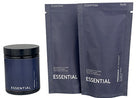




Nutritional Information
Each capsule typically provides:
Per Portion - *NRV
- Niacin - 16mg - (100% NRV*)
- Vitamin B6 - 5.6mg - (400% NRV*)
- Magnesium - 57mg - (15.20% NRV*)
as Magnesium Bisglycinate 285mg
*Nutrient Reference Value
- L-Tryptophan - 220mg
- Lemon Balm Extract - Equivalent to 500mg
- Chamomile Extract - Equivalent to 500mg

Ingredients:
Magnesium Bisglycinate, L-Tryptophan, Capsule Shell: Hydroxypropyl Methylcellulose, Microcrystalline Cellulose, Lemon Balm Extract, Chamomile Extract, Nicotinamide (Niacin), Silicon Dioxide, Magnesium Stearate, Pyridoxine Hydrochloride (Vitamin B6).
Allergens:
Although rigorous precautions are taken to prevent any cross-contamination, this product is manufactured in a facility that handles allergy-based materials.
Disclaimer:
Always consult your health practitioner before taking nutritional supplements, especially if you are taking medication or are under medical supervision. Not recommended for use by pregnant or breastfeeding women. You should not take supplements as a substitute for a varied balanced diet or healthy lifestyle. Store in a cool dry place, out of reach of children.
How to Use
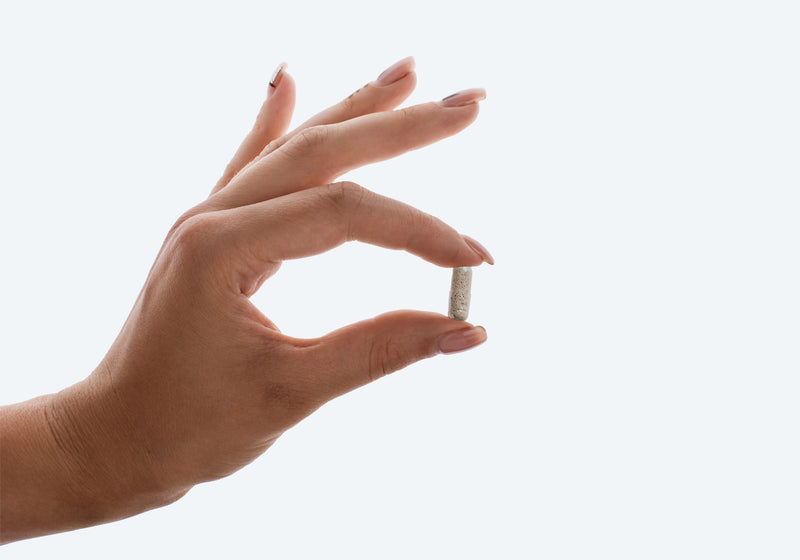
Take 1 capsule in the evening, about 30 to 60 minutes before bed. Just a glass of water is enough—no need for food unless you prefer it that way. The idea is to make it a part of your wind-down routine, like brushing your teeth.
Try not to mix it with caffeine, alcohol, or other stimulants late in the day, they can work against what Sleep+ is trying to help your body do.
If you’re pregnant, breastfeeding, or on medication, it’s a good idea to check in with your doctor first, just to be safe.
- Take it around the same time every night to help your body settle into a rhythm
- Pair it with relaxing habits like a warm shower, calming music, or a good book
- Avoid screens, strong lights, or late-night snacks that might keep you alert
- Stay consistent—this isn’t a quick fix, but a gentle nudge toward better sleep
Shipping
We ship with all major carriers, including PostNord, DAO, GLS, and Bring, offering 1–2 business day delivery.
Orders are prepared and sent out within 24–48 hours.
Cost varies between DKK 39-52.00
Free Delivery on orders above DKK 500
*The delivery days count from the moment the carrier has received our package.
We also deliver throughout Europe using trusted partners like GLS and EcoParcel.
Delivery times vary by destination, between 4-15 business days, but we always send out our packages within 48 hours of receiving your order.
Cost varies by destination between €9-25.
Free Delivery on orders above €60.
*The delivery days count from the moment the carrier has received our package.
We currently do not ship outside of the European Union, however if you would like to place a order, contact us at hello@persona-path.com and we will try to assist you.
Transparency & Sourcing

At PersonaPath, we believe in full transparency and doing things the right way—from how we formulate our supplements to how we treat the planet.
Our mission is to help people live healthier, more balanced lives, while respecting the world we all share.
Our products are manufactured in the UK, Germany, Slovenia and Latvia under strict quality standards and then packaged and prepared locally in Denmark, where we work closely with Fødevarestyrelsen (Danish Veterinary and Food Administration) to ensure everything meets national safety and labelling requirements.
We work exclusively with a BRC AA–certified manufacturer that follows Good Manufacturing Practices (GMP) and full traceability, from raw ingredients to finished product. All of our formulations are developed by a qualified nutritionist and are based strictly on EFSA-approved claims—with no inflated promises, ever.
We're also proud to take an ethical and sustainable approach. We never work with suppliers who test on animals or use harmful harvesting methods.
Sustainability is not a side project—it’s core to how we operate.
✔ All of our packaging is made from biodegradable materials, durable glass or recycled plastic
✔ We offset our shipping-related CO₂ emissions
✔ We’re partnered with Greenspark, supporting projects like:
– Reforestation
– Ocean plastic cleanup
– Carbon removal & kelp planting
– Fresh water access in vulnerable areas
– Supporting honeybee populations
We are proud to offer clean, honest supplements—made with care, backed by science, and delivered with respect for your health and the planet.
Our products are manufactured in the UK, Germany, Slovenia, and Latvia under strict quality standards, then packaged and prepared locally in Denmark.
We’ve also built a transparent ingredient section on our website, where you can explore every detail of what goes into our products — including the exact type of raw material, EFSA-approved health claims, ingredient origin, and documented benefits.
Supporting ingredients are also fully listed and explained — what they are, what they do, and why we include them. You can find this information under Ingredients → Supporting Ingredients, or directly on each product page by clicking on “Ingredients.”
Finally, our packaging materials are sourced from Germany, Poland, the UK, and Denmark, all produced to meet the highest European standards of safety and sustainability.
Giving Back Together
We’ve partnered with Greenspark to give back where it’s needed most — supporting meaningful environmental and social causes around the world. Each month, we dedicate a portion of our monthly revenue to a new project that creates real impact, from restoring forests and protecting marine ecosystems to supporting local communities.
You can always see the current month’s cause featured at the top of our website or on our social media channels. At the end of each month, we share full transparency — including donation receipts, details about the partner organization, and photos from the project locations — so you can see exactly where your support goes.
We’re proud that our community plays an active role in helping us make a difference. Every purchase contributes to something bigger — together, we’re building a healthier planet and a better future.
The Persona
Promise
Discover what makes us different and why our customers trust us.


At Persona we don't use marketing claims.
Every health benefit you see is approved by european authorities and backed by science.
It's how we build trust.
Sleep+ contains nutrients that maintain normal psychological functions and contribute to the reduction of fatigue. Vitamin B6 and Niacin work together to provide foundational support for your body’s nervous system.
- Vitamin B6 contributes to normal psychological function.*
- Vitamin B6 contributes to normal functioning of the nervous system.*
- Vitamin B6 contributes to the reduction of tiredness and fatigue.*
- Niacin contributes to normal psychological function.*
- Niacin contributes to normal energy-yielding metabolism.*
A one-per-night capsule with botanical extracts that contribute to a calming effect on the nervous system and gentle relaxation. These natural extracts of Lemon Balm and Chamomile complement key nutrients such as Magnesium and Vitamin B6.
- Magnesium contributes to normal muscle function.*
- Vitamin B6 contributes to normal protein and glycogen metabolism.*
- Magnesium contributes to normal energy-yielding metabolism.*
- Vitamin B6 contributes to normal homocysteine metabolism.*
- Niacin contributes to the maintenance of normal mucous membranes.*
- Magnesium contributes to electrolyte balance.*
Understanding Bioavailability
Why the form of a vitamin matters as much as the vitamin itself
The Restaurant Example
Imagine ordering salmon at a restaurant. The menu says "salmon", but what arrives could be perfectly grilled, raw, or still wrapped in plastic. Technically all salmon, but only one is actually nourishing.
Vitamins work the same way. A label might say "Vitamin C 1000 mg," but that vitamin could be in a form your body barely absorbs, or one it uses efficiently. The form determines whether your body can actually use what you're taking.
What Is Bioavailability?
Bioavailability is the amount of a nutrient that actually enters your bloodstream and reaches your cells.
If you take 100 mg of a vitamin but only 20 mg gets absorbed, the bioavailability is 20%. The rest passes through unused.
What affects bioavailability:
- The chemical form of the vitamin
- Your individual gut health and genetics
- What you eat alongside the supplement
Common Vitamin Forms Explained
Methylated Vitamins (Active Forms)
Some people struggle to convert standard vitamins into their active, usable forms due to genetic variations. Methylated vitamins skip that step; they're already active.
Example: Methylcobalamin (B12) vs Cyanocobalamin
- Methylcobalamin Active form, immediately usable
- Cyanocobalamin Synthetic, requires conversion (which 40-60% of people struggle with due to MTHFR gene variants)
Common forms: Methylfolate (5-MTHF), methylcobalamin (B12), P-5-P (B6)
Natural vs Synthetic
"Natural" doesn't automatically mean better; it depends on the specific vitamin.
Example: Vitamin E
- Natural (d-alpha-tocopherol): Derived from plants, more biologically active
- Synthetic (dl-alpha-tocopherol): Contains 8 forms, only one your body prefers
Example: Vitamin C
- Ascorbic acid (synthetic) is molecularly identical to natural vitamin C and equally effective
- Liposomal vitamin C: Wrapped in fat bubbles for enhanced absorption and higher blood levels
Fat-Soluble vs Water-Soluble
Fat-soluble vitamins (A, D, E, K) need fat to be absorbed. Taking them with food containing healthy fats significantly improves uptake.
Water-soluble vitamins (B, C) dissolve in water and are absorbed more easily, but excess is excreted quickly, making sustained-release forms sometimes beneficial.
What "Bioavailable" Actually Means on a Label
When we say "bioavailable form," we mean:
- Active forms that don't require conversion (methylated B vitamins)
- Forms with proven absorption backed by scientific research
- Enhanced delivery systems (like liposomal technology)
What it shouldn't mean: vague marketing language without specifics.
Red flags to watch for:
- No specific form listed (just "Vitamin B12" without the type)
- "Proprietary blends" that hide ingredient amounts
- Claims without any absorption data
The Bottom Line
A cheaper supplement with poor bioavailability isn't a bargain. The best supplements aren't about taking more; they're about absorbing what you take.
What to look for:
- Specific forms clearly listed on the label
- Science-backed forms (methylated, chelated, liposomal)
- Transparency about dosages and sources
At Persona, we choose forms based on scientific evidence for absorption, not what's cheapest to manufacture. Because if your body can't use it, what's the point?
References: EFSA scientific opinions on bioavailability; NIH Office of Dietary Supplements; peer-reviewed studies on vitamin absorption and forms (available upon request).


With natural ingredients only.
Target your body and mind for more restful evenings

Essential Vitamins
Vitamin B6 + Niacin to help your system decompress

Magnesium + L-Tryptophan
To help promote relaxation and reduction of fatigue in the nervous sytsem.

6 Active ingredients
Minerals, essential vitamins and plant extracts work in synergy to promote a calm and relaxed the nervous system.

Botanical Extracts
Calming plant extracts for your nervous system
More than just Supplements
Bioavailable Nutrients
How to Use:
- Take 1 capsule in the evening, about 30 to 60 minutes before bed.
The Benefits of L-Tryptophan
Free Form
L-Tryptophan is an essential amino acid that serves as a precursor to serotonin (the "feel-good" neurotransmitter) and melatonin (the sleep hormone). The body cannot produce tryptophan on its own, so it must come from diet or supplementation. It supports mood regulation, sleep quality, and emotional well-being through the serotonin-melatonin pathway.
Key Highlights
- Essential amino acid and precursor to serotonin and melatonin
- Supports natural sleep quality through melatonin pathway
- Supports mood regulation through serotonin production
- Non-sedating, works with the body's own biochemistry
- Cannot be produced by the body; must come from diet or supplements
- Found in protein-rich foods like turkey, eggs, fish, and nuts
Biochemistry Timeline
L-Tryptophan supplementation can begin to influence mood and relaxation within 1 to 2 weeks. Sleep benefits may be noticed within the first week, particularly when taken in the evening. Full benefits for mood regulation typically develop over 2 to 4 weeks of consistent use.
Tryptophan is best taken on a partially empty stomach or with a small carbohydrate-containing snack, as carbohydrates help tryptophan cross the blood-brain barrier more efficiently by reducing competition from other amino acids.
Appetite and Satiety
Serotonin also plays a role in appetite regulation. It helps signal satiety (the feeling of fullness), which is why tryptophan has been studied in the context of appetite management and healthy eating patterns.
By supporting balanced serotonin levels, tryptophan may help reduce cravings and emotional eating, particularly in the evening when serotonin levels naturally decline. This is a supportive benefit rather than a weight management solution, and works best alongside balanced nutrition and regular activity.
Niacin Production
Beyond the serotonin pathway, tryptophan is also converted to niacin (vitamin B3) and NAD (nicotinamide adenine dinucleotide), which are essential for cellular energy production. This secondary pathway ensures that tryptophan supports both mental well-being and physical energy at the cellular level.
Approximately 60 mg of tryptophan can produce 1 mg of niacin, making it a meaningful contributor to the body's niacin needs. This dual functionality highlights tryptophan's versatility as a nutrient.
Summary
L-Tryptophan is an essential amino acid that supports mood, sleep, and emotional well-being through its conversion to serotonin and melatonin. It works with the body's own biochemistry rather than acting as a sedative, offering a gentle approach to sleep and mood support.
Supplementation can show benefits within 1 to 2 weeks, with full mood-regulating effects developing over 2 to 4 weeks. It is best taken in the evening for sleep support, and works alongside good sleep habits and a balanced diet for optimal results.
FAQs
When should I take L-Tryptophan?
For sleep support, take tryptophan 30-60 minutes before bedtime. For mood support, it can be taken at any time. Taking it with a small amount of carbohydrate (like fruit) and away from high-protein meals can improve brain uptake.
Is L-Tryptophan the same as 5-HTP?
No. Tryptophan is the amino acid precursor, while 5-HTP (5-hydroxytryptophan) is the intermediate step between tryptophan and serotonin. Both support serotonin production, but through different points in the pathway. Tryptophan has a broader range of uses since it also produces niacin.
Can I take L-Tryptophan with antidepressants?
Exercise caution. Because both tryptophan and many antidepressants increase serotonin levels, combining them can potentially lead to excess serotonin (serotonin syndrome). Always consult your healthcare provider before combining tryptophan with antidepressant medication.
Are there any side effects?
L-Tryptophan is generally well-tolerated at recommended doses. Mild side effects can include drowsiness (which may actually be beneficial if taken for sleep), nausea, or headache. Start with a lower dose to assess tolerance.
Is L-Tryptophan safe during pregnancy?
L-Tryptophan is found naturally in protein-rich foods and is part of a normal diet during pregnancy. However, supplemental doses should be discussed with your healthcare provider, as the effects on serotonin pathways during pregnancy are not fully established.
Research
Zerón-Rugerio MF et al. – Food & function (2025). [RCT]. https://pubmed.ncbi.nlm.nih.gov/40791136/
Barnard J et al. – International journal of sport nutrition and exercise metabolism (2025). [RCT]. https://pubmed.ncbi.nlm.nih.gov/39832504/
Soon CS et al. – European journal of nutrition (2025). [RCT]. https://pubmed.ncbi.nlm.nih.gov/40072601/
Zerón-Rugerio MF et al. — Food Funct (2025). [Clinical study]. https://pubmed.ncbi.nlm.nih.gov/40791136/
Soon CS et al. — Eur J Nutr (2025). [Clinical study]. https://pubmed.ncbi.nlm.nih.gov/40072601/
Alizadeh Pahlavani H – Behavioural brain research (2024). [Review]. https://pubmed.ncbi.nlm.nih.gov/38048912/
Alizadeh Pahlavani H — Behav Brain Res (2024). [Review]. https://pubmed.ncbi.nlm.nih.gov/38048912/
Ko SM et al. – Food and chemical toxicology : an international journal published for the British Industrial Biological Research Association (2023). [Review]. https://pubmed.ncbi.nlm.nih.gov/37453474/
Huang Y et al. – Aging and disease (2023). [Review]. https://pubmed.ncbi.nlm.nih.gov/37191427/
Sutanto CN et al. – Nutrition reviews (2022). [Meta-analysis]. https://pubmed.ncbi.nlm.nih.gov/33942088/
Ferguson C et al. – International journal of sport nutrition and exercise metabolism (2022). [RCT]. https://pubmed.ncbi.nlm.nih.gov/34875624/
Davidson M et al. – International journal of molecular sciences (2022). [Review]. https://pubmed.ncbi.nlm.nih.gov/36077360/
Correia AS et al. – International journal of molecular sciences (2022). [Review]. https://pubmed.ncbi.nlm.nih.gov/35955633/
Sutanto CN et al. — Nutr Rev (2022). [SR + meta-analysis + meta-regression]. https://pubmed.ncbi.nlm.nih.gov/33942088/
Roth W et al. – International journal of molecular sciences (2021). [Review]. https://pubmed.ncbi.nlm.nih.gov/33804088/
Kikuchi AM et al. — J Diet Suppl (2021). [Systematic review]. https://pubmed.ncbi.nlm.nih.gov/32272859/
Halson SL et al. – Nutrients (2020). [RCT]. https://pubmed.ncbi.nlm.nih.gov/32854375/
Gao K et al. – Advances in nutrition (Bethesda, Md.) (2020). [Review]. https://pubmed.ncbi.nlm.nih.gov/31825083/
Maffei ME – International journal of molecular sciences (2020). [Review]. https://pubmed.ncbi.nlm.nih.gov/33375373/
Simper T et al. – Nutrition and health (2019). [RCT]. https://pubmed.ncbi.nlm.nih.gov/31512550/
Kałużna-Czaplińska J et al. – Critical reviews in food science and nutrition (2019). [Review]. https://pubmed.ncbi.nlm.nih.gov/28799778/
Carneiro IBC et al. — Eur J Pharmacol (2018). [Systematic review]. https://pubmed.ncbi.nlm.nih.gov/30098308/
Kennedy PJ et al. – Neuropharmacology (2017). [Review]. https://pubmed.ncbi.nlm.nih.gov/27392632/
Oketch-Rabah HA et al. – The Journal of nutrition (2016). [Review]. https://pubmed.ncbi.nlm.nih.gov/27934657/
Mohajeri MH et al. – The British journal of nutrition (2015). [RCT]. https://pubmed.ncbi.nlm.nih.gov/25572038/
Schwarcz R et al. – Nature reviews. Neuroscience (2012). [Review]. https://pubmed.ncbi.nlm.nih.gov/22678511/
Carhart-Harris RL et al. – Psychopharmacology (2009). [RCT]. https://pubmed.ncbi.nlm.nih.gov/19585107/
Turner EH et al. – Pharmacology & therapeutics (2006). [Review]. https://pubmed.ncbi.nlm.nih.gov/16023217/
Smith MJ et al. – Inflammation research : official journal of the European Histamine Research Society ... [et al.] (2005). [Review]. https://pubmed.ncbi.nlm.nih.gov/16307217/
Das YT et al. – Toxicology letters (2004). [Review]. https://pubmed.ncbi.nlm.nih.gov/15068828/
Shaw K et al. – The Cochrane database of systematic reviews (2002). [Systematic review]. https://pubmed.ncbi.nlm.nih.gov/11869656/
Arnulf I et al. – Neuropsychopharmacology : official publication of the American College of Neuropsychopharmacology (2002). [RCT]. https://pubmed.ncbi.nlm.nih.gov/12431858/
Shaw K et al. – The Cochrane database of systematic reviews (2001). [Systematic review]. https://pubmed.ncbi.nlm.nih.gov/11687048/
Aldridge WN – Toxicology letters (1992). [Review]. https://pubmed.ncbi.nlm.nih.gov/1471212/
Lehnert H et al. – Neuropsychobiology (1989). [RCT]. https://pubmed.ncbi.nlm.nih.gov/2693995/
George CF et al. – Sleep (1989). [RCT]. https://pubmed.ncbi.nlm.nih.gov/2669092/
36 studies — L-Tryptophan
Zerón-Rugerio MF et al. – Food & function (2025). [RCT]. https://pubmed.ncbi.nlm.nih.gov/40791136/
Barnard J et al. – International journal of sport nutrition and exercise metabolism (2025). [RCT]. https://pubmed.ncbi.nlm.nih.gov/39832504/
Soon CS et al. – European journal of nutrition (2025). [RCT]. https://pubmed.ncbi.nlm.nih.gov/40072601/
Zerón-Rugerio MF et al. — Food Funct (2025). [Clinical study]. https://pubmed.ncbi.nlm.nih.gov/40791136/
Soon CS et al. — Eur J Nutr (2025). [Clinical study]. https://pubmed.ncbi.nlm.nih.gov/40072601/
Alizadeh Pahlavani H – Behavioural brain research (2024). [Review]. https://pubmed.ncbi.nlm.nih.gov/38048912/
Alizadeh Pahlavani H — Behav Brain Res (2024). [Review]. https://pubmed.ncbi.nlm.nih.gov/38048912/
Ko SM et al. – Food and chemical toxicology : an international journal published for the British Industrial Biological Research Association (2023). [Review]. https://pubmed.ncbi.nlm.nih.gov/37453474/
Huang Y et al. – Aging and disease (2023). [Review]. https://pubmed.ncbi.nlm.nih.gov/37191427/
Sutanto CN et al. – Nutrition reviews (2022). [Meta-analysis]. https://pubmed.ncbi.nlm.nih.gov/33942088/
Ferguson C et al. – International journal of sport nutrition and exercise metabolism (2022). [RCT]. https://pubmed.ncbi.nlm.nih.gov/34875624/
Davidson M et al. – International journal of molecular sciences (2022). [Review]. https://pubmed.ncbi.nlm.nih.gov/36077360/
Correia AS et al. – International journal of molecular sciences (2022). [Review]. https://pubmed.ncbi.nlm.nih.gov/35955633/
Sutanto CN et al. — Nutr Rev (2022). [SR + meta-analysis + meta-regression]. https://pubmed.ncbi.nlm.nih.gov/33942088/
Roth W et al. – International journal of molecular sciences (2021). [Review]. https://pubmed.ncbi.nlm.nih.gov/33804088/
Kikuchi AM et al. — J Diet Suppl (2021). [Systematic review]. https://pubmed.ncbi.nlm.nih.gov/32272859/
Halson SL et al. – Nutrients (2020). [RCT]. https://pubmed.ncbi.nlm.nih.gov/32854375/
Gao K et al. – Advances in nutrition (Bethesda, Md.) (2020). [Review]. https://pubmed.ncbi.nlm.nih.gov/31825083/
Maffei ME – International journal of molecular sciences (2020). [Review]. https://pubmed.ncbi.nlm.nih.gov/33375373/
Simper T et al. – Nutrition and health (2019). [RCT]. https://pubmed.ncbi.nlm.nih.gov/31512550/
Kałużna-Czaplińska J et al. – Critical reviews in food science and nutrition (2019). [Review]. https://pubmed.ncbi.nlm.nih.gov/28799778/
Carneiro IBC et al. — Eur J Pharmacol (2018). [Systematic review]. https://pubmed.ncbi.nlm.nih.gov/30098308/
Kennedy PJ et al. – Neuropharmacology (2017). [Review]. https://pubmed.ncbi.nlm.nih.gov/27392632/
Oketch-Rabah HA et al. – The Journal of nutrition (2016). [Review]. https://pubmed.ncbi.nlm.nih.gov/27934657/
Mohajeri MH et al. – The British journal of nutrition (2015). [RCT]. https://pubmed.ncbi.nlm.nih.gov/25572038/
Schwarcz R et al. – Nature reviews. Neuroscience (2012). [Review]. https://pubmed.ncbi.nlm.nih.gov/22678511/
Carhart-Harris RL et al. – Psychopharmacology (2009). [RCT]. https://pubmed.ncbi.nlm.nih.gov/19585107/
Turner EH et al. – Pharmacology & therapeutics (2006). [Review]. https://pubmed.ncbi.nlm.nih.gov/16023217/
Smith MJ et al. – Inflammation research : official journal of the European Histamine Research Society ... [et al.] (2005). [Review]. https://pubmed.ncbi.nlm.nih.gov/16307217/
Das YT et al. – Toxicology letters (2004). [Review]. https://pubmed.ncbi.nlm.nih.gov/15068828/
Shaw K et al. – The Cochrane database of systematic reviews (2002). [Systematic review]. https://pubmed.ncbi.nlm.nih.gov/11869656/
Arnulf I et al. – Neuropsychopharmacology : official publication of the American College of Neuropsychopharmacology (2002). [RCT]. https://pubmed.ncbi.nlm.nih.gov/12431858/
Shaw K et al. – The Cochrane database of systematic reviews (2001). [Systematic review]. https://pubmed.ncbi.nlm.nih.gov/11687048/
Aldridge WN – Toxicology letters (1992). [Review]. https://pubmed.ncbi.nlm.nih.gov/1471212/
Lehnert H et al. – Neuropsychobiology (1989). [RCT]. https://pubmed.ncbi.nlm.nih.gov/2693995/
George CF et al. – Sleep (1989). [RCT]. https://pubmed.ncbi.nlm.nih.gov/2669092/
The Benefits of Niacin
Stable form
Niacin (Vitamin B3) is an essential water-soluble vitamin that plays a central role in energy metabolism. It is a precursor to NAD and NADP, two coenzymes involved in over 400 enzymatic reactions in the body. Niacin supports energy production, DNA repair, skin health, and nervous system function.
Key Highlights
- Contributes to normal energy-yielding metabolism (EFSA approved)
- Supports the reduction of tiredness and fatigue (EFSA approved)
- Contributes to maintenance of normal skin and mucous membranes (EFSA approved)
- Supports normal psychological function (EFSA approved)
- Contributes to normal functioning of the nervous system (EFSA approved)
- NAD/NADP coenzymes involved in over 400 enzymatic reactions
Biochemistry Timeline
Niacin is water-soluble and quickly absorbed. Blood levels respond within days. Note: nicotinic acid (one form of niacin) can cause a harmless "flush" (warmth, redness of skin) at higher doses. Nicotinamide does not cause this effect.
DNA Repair and Cellular Health
NAD plays a role in DNA repair through enzymes called PARPs (poly ADP-ribose polymerases) and sirtuins. These pathways are increasingly recognised as important for cellular maintenance and longevity. Adequate niacin intake supports the body's ability to repair DNA damage from normal metabolic processes and environmental exposures.
Cardiovascular Support
High-dose nicotinic acid has been used clinically to support healthy cholesterol levels. However, this is a pharmaceutical application at doses well above nutritional supplementation and should only be used under medical supervision. At nutritional doses, niacin supports overall cardiovascular health through its role in energy metabolism and cellular function.
Summary
Niacin (Vitamin B3) is a versatile vitamin whose coenzyme forms (NAD, NADP) are involved in over 400 reactions. It supports energy metabolism, skin health, nervous system function, and DNA repair. EFSA recognises multiple health claims including contributions to energy metabolism, tiredness reduction, skin maintenance, and psychological function.
FAQs
What is the "niacin flush"?
Nicotinic acid can cause a harmless temporary warmth and redness of the skin. This is called the niacin flush and is not dangerous. Nicotinamide (niacinamide) does not cause this effect.
How much niacin do I need?
The recommended daily intake for adults is 13-16 mg NE (niacin equivalents). The European upper limit for nicotinic acid is 10 mg/day; for nicotinamide it is 900 mg/day.
Is niacin safe during pregnancy?
Yes, niacin is essential during pregnancy. Recommended intake is slightly higher during pregnancy.
Research
Højfeldt G, Michaud J, Damgaard A et al. (2026). Nicotinamide and Pyridoxine Supplementation Enhances Muscle Stem Cell Activity and Muscle Regeneration in Humans: A Randomized Placebo-Controlled Clinical Trial of High Force Eccentric Contraction Recovery in Healthy Young Men. Adv Sci (Weinh). https://pubmed.ncbi.nlm.nih.gov/41874466/
Berven H, Svensen M, Eikeland H et al. (2026). The NAD-brain pharmacokinetic study of NAD augmentation in blood and brain using oral precursor supplementation. iScience. https://pubmed.ncbi.nlm.nih.gov/41858901/
Li Y, Bao T, Gao L et al. (2026). Aging Triggers an Intestinal Energy Crisis and HDL3 Deficiency Disrupting Gut-Liver Axis Homeostasis. Aging Cell. https://pubmed.ncbi.nlm.nih.gov/41851037/
Sayles NM, Casalena G, Zhao D et al. (2026). Pregnancy precipitates metabolic imbalance and accelerates death in an animal model of mitochondrial cardiomyopathy. Mol Metab. https://pubmed.ncbi.nlm.nih.gov/41850395/
Qian X, Xu L, Zheng Y et al. (2026). Senescence-associated metabolic alterations aggravate calcific aortic valve disease. Eur Heart J. https://pubmed.ncbi.nlm.nih.gov/41841768/
Zhang F, Zhang H, Wang P et al. (2026). The NAD salvage pathway enzyme NMNAT-C sustains dark-phase NAD+ homeostasis in cyanobacteria. Plant Physiol. https://pubmed.ncbi.nlm.nih.gov/41838801/
Bai Y, Zhou Y, Wang G et al. (2026). Niacin Mitigates Cyclophosphamide-Induced Immunosuppression by Maintaining Intestinal Homeostasis and Regulating the HCAR2/NLRP3 and PTGS2/PGE2 Signaling Pathways. Nutrients. https://pubmed.ncbi.nlm.nih.gov/41829914/
Granvillano G, Mercogliano M, Vecchietti A et al. (2026). An Umbrella Review on the Prevention of Skin Diseases: Do Specific Nutrients Play a Protective Role?. Prev Nutr Food Sci [Review]. https://pubmed.ncbi.nlm.nih.gov/41815197/
Carpenter BJ, Lecacheur M, Mangold YN et al. (2026). NAD(+) controls circadian rhythmicity during cardiac aging. Commun Biol. https://pubmed.ncbi.nlm.nih.gov/41813966/
Pei Z, Liang F, Wang X et al. (2026). NAD⁺ as a central metabolic hub Regulating the hallmarks of aging: Mechanisms and therapeutic implications. Mech Ageing Dev. https://pubmed.ncbi.nlm.nih.gov/41812700/
Huang J, Qin Q, Li X et al. (2026). Bacteroides-associated NAD⁺ depletion correlates with exacerbated radiation-induced colorectal injury and impaired mucosal proliferative capacity. Gut Microbes. https://pubmed.ncbi.nlm.nih.gov/41807298/
Zhou H, Zhao X, Li Y et al. (2026). Nicotinamide mononucleotide supplementation modulates gut microbiota and metabolites to mitigate Alzheimer's disease pathology in APP/PS1 mice. J Alzheimers Dis. https://pubmed.ncbi.nlm.nih.gov/41805251/
Zhou E, Zhao H, Yu Y et al. (2026). Combined exposure of cold and hypoxia: a driver for hypertension and the underlying role of the microbiota-gut-brain axis. J Hypertens. https://pubmed.ncbi.nlm.nih.gov/41800819/
Huang Y, Zhao E, Zhao G et al. (2026). H3K18 lactylation-mediated SPHK1-SIRT1 feedback loop accelerates pyroptosis of tubular epithelial cells in sepsis-associated acute kidney injury. Theranostics. https://pubmed.ncbi.nlm.nih.gov/41799201/
Dong M, Zhang Q, Wang Y et al. (2026). Restructuring tilth layers suppresses cotton Verticillium wilt through the niacinamide-mediated enrichment of beneficial Pseudomonas. Microbiol Res. https://pubmed.ncbi.nlm.nih.gov/41793890/
Saida M, Saeki N, Sakai H et al. (2026). β-Nicotinamide mononucleotide preserves muscle strength in septic male mice. Sci Rep. https://pubmed.ncbi.nlm.nih.gov/41792260/
Kim JH, Park SJ, Lee JA et al. (2026). PRPS1 (p.V42L) Mutation in Arts Syndrome Induces Aberrant Neural Stem Cell Development and Neuronal Senescence-Like Phenotype: Rescue by Nicotinamide Mononucleotide Supplementation. Int J Stem Cells. https://pubmed.ncbi.nlm.nih.gov/41787648/
Zhou Y, Wu X, Xu X et al. (2026). Sirt1-eIF2α axis drives pro-inflammatory macrophage activation through ER stress aggravating liver IRI in aged mice. Biochem Biophys Res Commun. https://pubmed.ncbi.nlm.nih.gov/41775225/
Zhang D, Li Z, Meng X et al. (2026). Nicotinamide Mononucleotide Decreases Secretion of Proinflammatory Cytokines via the NAD (+) /SIRT1/p65 Axis. ACS Omega. https://pubmed.ncbi.nlm.nih.gov/41768621/
Jin X, Luo X, Shen W et al. (2026). Nicotinamide Riboside Alleviates Heat Stress-Induced Intestinal Dysfunction by Enhancing Antioxidant Capacity, Restoring Immune Homeostasis, and Modulating Gut Microbiota in a Boar Model. Mol Nutr Food Res. https://pubmed.ncbi.nlm.nih.gov/41761881/
20 studies — Niacin
Højfeldt G, Michaud J, Damgaard A et al. (2026). Nicotinamide and Pyridoxine Supplementation Enhances Muscle Stem Cell Activity and Muscle Regeneration in Humans: A Randomized Placebo-Controlled Clinical Trial of High Force Eccentric Contraction Recovery in Healthy Young Men. Adv Sci (Weinh). https://pubmed.ncbi.nlm.nih.gov/41874466/
Berven H, Svensen M, Eikeland H et al. (2026). The NAD-brain pharmacokinetic study of NAD augmentation in blood and brain using oral precursor supplementation. iScience. https://pubmed.ncbi.nlm.nih.gov/41858901/
Li Y, Bao T, Gao L et al. (2026). Aging Triggers an Intestinal Energy Crisis and HDL3 Deficiency Disrupting Gut-Liver Axis Homeostasis. Aging Cell. https://pubmed.ncbi.nlm.nih.gov/41851037/
Sayles NM, Casalena G, Zhao D et al. (2026). Pregnancy precipitates metabolic imbalance and accelerates death in an animal model of mitochondrial cardiomyopathy. Mol Metab. https://pubmed.ncbi.nlm.nih.gov/41850395/
Qian X, Xu L, Zheng Y et al. (2026). Senescence-associated metabolic alterations aggravate calcific aortic valve disease. Eur Heart J. https://pubmed.ncbi.nlm.nih.gov/41841768/
Zhang F, Zhang H, Wang P et al. (2026). The NAD salvage pathway enzyme NMNAT-C sustains dark-phase NAD+ homeostasis in cyanobacteria. Plant Physiol. https://pubmed.ncbi.nlm.nih.gov/41838801/
Bai Y, Zhou Y, Wang G et al. (2026). Niacin Mitigates Cyclophosphamide-Induced Immunosuppression by Maintaining Intestinal Homeostasis and Regulating the HCAR2/NLRP3 and PTGS2/PGE2 Signaling Pathways. Nutrients. https://pubmed.ncbi.nlm.nih.gov/41829914/
Granvillano G, Mercogliano M, Vecchietti A et al. (2026). An Umbrella Review on the Prevention of Skin Diseases: Do Specific Nutrients Play a Protective Role?. Prev Nutr Food Sci [Review]. https://pubmed.ncbi.nlm.nih.gov/41815197/
Carpenter BJ, Lecacheur M, Mangold YN et al. (2026). NAD(+) controls circadian rhythmicity during cardiac aging. Commun Biol. https://pubmed.ncbi.nlm.nih.gov/41813966/
Pei Z, Liang F, Wang X et al. (2026). NAD⁺ as a central metabolic hub Regulating the hallmarks of aging: Mechanisms and therapeutic implications. Mech Ageing Dev. https://pubmed.ncbi.nlm.nih.gov/41812700/
Huang J, Qin Q, Li X et al. (2026). Bacteroides-associated NAD⁺ depletion correlates with exacerbated radiation-induced colorectal injury and impaired mucosal proliferative capacity. Gut Microbes. https://pubmed.ncbi.nlm.nih.gov/41807298/
Zhou H, Zhao X, Li Y et al. (2026). Nicotinamide mononucleotide supplementation modulates gut microbiota and metabolites to mitigate Alzheimer's disease pathology in APP/PS1 mice. J Alzheimers Dis. https://pubmed.ncbi.nlm.nih.gov/41805251/
Zhou E, Zhao H, Yu Y et al. (2026). Combined exposure of cold and hypoxia: a driver for hypertension and the underlying role of the microbiota-gut-brain axis. J Hypertens. https://pubmed.ncbi.nlm.nih.gov/41800819/
Huang Y, Zhao E, Zhao G et al. (2026). H3K18 lactylation-mediated SPHK1-SIRT1 feedback loop accelerates pyroptosis of tubular epithelial cells in sepsis-associated acute kidney injury. Theranostics. https://pubmed.ncbi.nlm.nih.gov/41799201/
Dong M, Zhang Q, Wang Y et al. (2026). Restructuring tilth layers suppresses cotton Verticillium wilt through the niacinamide-mediated enrichment of beneficial Pseudomonas. Microbiol Res. https://pubmed.ncbi.nlm.nih.gov/41793890/
Saida M, Saeki N, Sakai H et al. (2026). β-Nicotinamide mononucleotide preserves muscle strength in septic male mice. Sci Rep. https://pubmed.ncbi.nlm.nih.gov/41792260/
Kim JH, Park SJ, Lee JA et al. (2026). PRPS1 (p.V42L) Mutation in Arts Syndrome Induces Aberrant Neural Stem Cell Development and Neuronal Senescence-Like Phenotype: Rescue by Nicotinamide Mononucleotide Supplementation. Int J Stem Cells. https://pubmed.ncbi.nlm.nih.gov/41787648/
Zhou Y, Wu X, Xu X et al. (2026). Sirt1-eIF2α axis drives pro-inflammatory macrophage activation through ER stress aggravating liver IRI in aged mice. Biochem Biophys Res Commun. https://pubmed.ncbi.nlm.nih.gov/41775225/
Zhang D, Li Z, Meng X et al. (2026). Nicotinamide Mononucleotide Decreases Secretion of Proinflammatory Cytokines via the NAD (+) /SIRT1/p65 Axis. ACS Omega. https://pubmed.ncbi.nlm.nih.gov/41768621/
Jin X, Luo X, Shen W et al. (2026). Nicotinamide Riboside Alleviates Heat Stress-Induced Intestinal Dysfunction by Enhancing Antioxidant Capacity, Restoring Immune Homeostasis, and Modulating Gut Microbiota in a Boar Model. Mol Nutr Food Res. https://pubmed.ncbi.nlm.nih.gov/41761881/
The Benefits of Vitamin B6
Hormonal Balance
Vitamin B6 (Pyridoxine) is an essential water-soluble vitamin involved in over 100 enzyme reactions in the body. It is particularly important for protein metabolism, neurotransmitter production, immune function, and hormonal balance. B6 plays a central role in producing the neurotransmitters serotonin, dopamine, and GABA, making it key for mood and nervous system health.
Key Highlights
- Contributes to the regulation of hormonal activity (EFSA approved)
- Supports normal psychological function (EFSA approved)
- Contributes to normal functioning of the nervous system (EFSA approved)
- Supports normal energy-yielding metabolism (EFSA approved)
- Contributes to the reduction of tiredness and fatigue (EFSA approved)
- Supports normal function of the immune system (EFSA approved)
- Contributes to normal red blood cell formation (EFSA approved)
Biochemistry Timeline
B6 is water-soluble and blood levels respond quickly to supplementation, typically within 1 to 2 weeks. For PMS-related benefits, supplementation throughout the cycle (or at least during the luteal phase) for 2 to 3 cycles is typically recommended to assess effectiveness.
The European upper limit for supplemental B6 is 25 mg per day for long-term use, though short-term higher doses have been used in clinical studies. Very high doses over prolonged periods can cause nerve-related side effects, so moderate, consistent intake is preferred.
Protein and Amino Acid Metabolism
B6's involvement in over 100 enzyme reactions relates primarily to amino acid metabolism. It is essential for the transamination, decarboxylation, and deamination of amino acids, which are fundamental processes for protein utilisation in the body.
This makes B6 particularly important for those with higher protein intakes or increased metabolic demands. EFSA recognises that vitamin B6 contributes to normal protein and glycogen metabolism.
Homocysteine Metabolism
Together with folate and B12, vitamin B6 helps metabolise homocysteine, an amino acid that at elevated levels is associated with cardiovascular risk. B6 converts homocysteine via an alternative pathway (transsulfuration to cysteine), complementing the folate/B12 methylation pathway.
EFSA recognises that vitamin B6 contributes to normal homocysteine metabolism. Maintaining adequate B6, B12, and folate levels together provides comprehensive homocysteine management.
Summary
Vitamin B6 is a versatile water-soluble vitamin essential for neurotransmitter production, hormonal balance, immune function, and energy metabolism. It is particularly valued in women's health for its role in managing PMS symptoms and supporting mood through serotonin and dopamine production.
EFSA recognises B6's contribution to hormonal regulation, psychological function, nervous system health, energy metabolism, and immune function. Regular intake is important as the body does not store B6, and benefits for PMS typically require 2 to 3 cycles of consistent supplementation.
FAQs
How much vitamin B6 do I need?
The recommended daily intake for adults is 1.2-1.4 mg. For PMS support, research has used 50-100 mg/day. The European upper limit for long-term use is 25 mg/day. Higher therapeutic doses should be used under guidance.
Can B6 help with morning sickness?
Vitamin B6 has been studied for pregnancy-related nausea and is considered safe during pregnancy. Some healthcare providers recommend it as a first-line approach for mild morning sickness. Consult your healthcare provider for appropriate dosing.
Are there side effects from too much B6?
Very high doses (above 200 mg/day) taken for extended periods can cause peripheral neuropathy (nerve damage causing numbness and tingling). This is reversible upon stopping. Moderate supplementation within guidelines is safe.
Is B6 safe during pregnancy?
Yes, B6 is important during pregnancy. It supports fetal brain development and may help with nausea. Follow your healthcare provider's guidance on dosage.
Research
Liu X et al. – The journal of prevention of Alzheimer's disease (2026). [Review]. https://pubmed.ncbi.nlm.nih.gov/41764841/
Althubity AA – Molecular medicine reports (2026). [Review]. https://pubmed.ncbi.nlm.nih.gov/41235668/
Alvarez M et al. – Current nutrition reports (2026). [Review]. https://pubmed.ncbi.nlm.nih.gov/41609902/
Tariq L et al. – Physiologia plantarum (2025). [Review]. https://pubmed.ncbi.nlm.nih.gov/40671330/
Qin Y et al. – Frontiers in endocrinology (2025). [Review]. https://pubmed.ncbi.nlm.nih.gov/41127511/
Banan Khojasteh MH et al. – Critical reviews in food science and nutrition (2025). [Review]. https://pubmed.ncbi.nlm.nih.gov/39115011/
Banihani SA – The world journal of men's health (2025). [Review]. https://pubmed.ncbi.nlm.nih.gov/40583024/
Chang J et al. – European journal of nutrition (2024). [Meta-analysis]. https://pubmed.ncbi.nlm.nih.gov/38300291/
Giuca MR – European journal of paediatric dentistry (2024). [Review]. https://pubmed.ncbi.nlm.nih.gov/39212455/
Xu Q et al. – Zhonghua wei zhong bing ji jiu yi xue (2024). [Review]. https://pubmed.ncbi.nlm.nih.gov/39697032/
Jayawardena R et al. – Archives of gynecology and obstetrics (2023). [Meta-analysis]. https://pubmed.ncbi.nlm.nih.gov/36719452/
Muhamad R et al. – Nutrients (2023). [Systematic review]. https://pubmed.ncbi.nlm.nih.gov/37447150/
C Curtin A et al. – Journal of dietary supplements (2023). [RCT]. https://pubmed.ncbi.nlm.nih.gov/35109763/
Godfrey KM et al. – PLoS medicine (2023). [RCT]. https://pubmed.ncbi.nlm.nih.gov/38051700/
Hersant H et al. – CNS drugs (2023). [Review]. https://pubmed.ncbi.nlm.nih.gov/37603263/
Choi SW et al. – Nutrition research and practice (2023). [Review]. https://pubmed.ncbi.nlm.nih.gov/37529262/
Munteanu C et al. – Nutrients (2023). [Review]. https://pubmed.ncbi.nlm.nih.gov/38201854/
Field DT et al. – Human psychopharmacology (2022). [RCT]. https://pubmed.ncbi.nlm.nih.gov/35851507/
Ettinger S – Current nutrition reports (2022). [Review]. https://pubmed.ncbi.nlm.nih.gov/36018501/
Bossard V et al. – Nutrition (Burbank, Los Angeles County, Calif.) (2022). [Review]. https://pubmed.ncbi.nlm.nih.gov/35810581/
Stach K et al. – Nutrients (2021). [Review]. https://pubmed.ncbi.nlm.nih.gov/34579110/
Behrens A et al. – Systematic reviews (2020). [Meta-analysis]. https://pubmed.ncbi.nlm.nih.gov/32414424/
Khorasani F et al. – Journal of obstetrics and gynaecology : the journal of the Institute of Obstetrics and Gynaecology (2020). [Systematic review]. https://pubmed.ncbi.nlm.nih.gov/31215276/
Reininghaus EZ et al. – Nutrients (2020). [RCT]. https://pubmed.ncbi.nlm.nih.gov/33171595/
Wallace TC et al. – Journal of nutrition in gerontology and geriatrics (2019). [Review]. https://pubmed.ncbi.nlm.nih.gov/31502930/
Wilson MP et al. – Journal of inherited metabolic disease (2019). [Review]. https://pubmed.ncbi.nlm.nih.gov/30671974/
Boelig RC et al. – The Cochrane database of systematic reviews (2016). [Meta-analysis]. https://pubmed.ncbi.nlm.nih.gov/27168518/
McParlin C et al. – JAMA (2016). [Systematic review]. https://pubmed.ncbi.nlm.nih.gov/27701665/
O'Donnell A et al. – Health technology assessment (Winchester, England) (2016). [Systematic review]. https://pubmed.ncbi.nlm.nih.gov/27731292/
Jewell D et al. – The Cochrane database of systematic reviews (2010). [Systematic review]. https://pubmed.ncbi.nlm.nih.gov/20824826/
Piazzini DB et al. – Clinical rehabilitation (2007). [Systematic review]. https://pubmed.ncbi.nlm.nih.gov/17613571/
Goodyear-Smith F et al. – Annals of family medicine (2004). [Systematic review]. https://pubmed.ncbi.nlm.nih.gov/15209206/
O'Connor D et al. – The Cochrane database of systematic reviews (2003). [Systematic review]. https://pubmed.ncbi.nlm.nih.gov/12535461/
Jewell D et al. – The Cochrane database of systematic reviews (2003). [Systematic review]. https://pubmed.ncbi.nlm.nih.gov/14583914/
De Souza MC et al. – Journal of women's health & gender-based medicine (2000). [RCT]. https://pubmed.ncbi.nlm.nih.gov/10746516/
Macdougall M – The Western journal of medicine (2000). [Meta-analysis]. https://pubmed.ncbi.nlm.nih.gov/10778376/
Kleijnen J et al. – Biological psychiatry (1991). [Review]. https://pubmed.ncbi.nlm.nih.gov/1828703/
37 studies — Vitamin B6
Liu X et al. – The journal of prevention of Alzheimer's disease (2026). [Review]. https://pubmed.ncbi.nlm.nih.gov/41764841/
Althubity AA – Molecular medicine reports (2026). [Review]. https://pubmed.ncbi.nlm.nih.gov/41235668/
Alvarez M et al. – Current nutrition reports (2026). [Review]. https://pubmed.ncbi.nlm.nih.gov/41609902/
Tariq L et al. – Physiologia plantarum (2025). [Review]. https://pubmed.ncbi.nlm.nih.gov/40671330/
Qin Y et al. – Frontiers in endocrinology (2025). [Review]. https://pubmed.ncbi.nlm.nih.gov/41127511/
Banan Khojasteh MH et al. – Critical reviews in food science and nutrition (2025). [Review]. https://pubmed.ncbi.nlm.nih.gov/39115011/
Banihani SA – The world journal of men's health (2025). [Review]. https://pubmed.ncbi.nlm.nih.gov/40583024/
Chang J et al. – European journal of nutrition (2024). [Meta-analysis]. https://pubmed.ncbi.nlm.nih.gov/38300291/
Giuca MR – European journal of paediatric dentistry (2024). [Review]. https://pubmed.ncbi.nlm.nih.gov/39212455/
Xu Q et al. – Zhonghua wei zhong bing ji jiu yi xue (2024). [Review]. https://pubmed.ncbi.nlm.nih.gov/39697032/
Jayawardena R et al. – Archives of gynecology and obstetrics (2023). [Meta-analysis]. https://pubmed.ncbi.nlm.nih.gov/36719452/
Muhamad R et al. – Nutrients (2023). [Systematic review]. https://pubmed.ncbi.nlm.nih.gov/37447150/
C Curtin A et al. – Journal of dietary supplements (2023). [RCT]. https://pubmed.ncbi.nlm.nih.gov/35109763/
Godfrey KM et al. – PLoS medicine (2023). [RCT]. https://pubmed.ncbi.nlm.nih.gov/38051700/
Hersant H et al. – CNS drugs (2023). [Review]. https://pubmed.ncbi.nlm.nih.gov/37603263/
Choi SW et al. – Nutrition research and practice (2023). [Review]. https://pubmed.ncbi.nlm.nih.gov/37529262/
Munteanu C et al. – Nutrients (2023). [Review]. https://pubmed.ncbi.nlm.nih.gov/38201854/
Field DT et al. – Human psychopharmacology (2022). [RCT]. https://pubmed.ncbi.nlm.nih.gov/35851507/
Ettinger S – Current nutrition reports (2022). [Review]. https://pubmed.ncbi.nlm.nih.gov/36018501/
Bossard V et al. – Nutrition (Burbank, Los Angeles County, Calif.) (2022). [Review]. https://pubmed.ncbi.nlm.nih.gov/35810581/
Stach K et al. – Nutrients (2021). [Review]. https://pubmed.ncbi.nlm.nih.gov/34579110/
Behrens A et al. – Systematic reviews (2020). [Meta-analysis]. https://pubmed.ncbi.nlm.nih.gov/32414424/
Khorasani F et al. – Journal of obstetrics and gynaecology : the journal of the Institute of Obstetrics and Gynaecology (2020). [Systematic review]. https://pubmed.ncbi.nlm.nih.gov/31215276/
Reininghaus EZ et al. – Nutrients (2020). [RCT]. https://pubmed.ncbi.nlm.nih.gov/33171595/
Wallace TC et al. – Journal of nutrition in gerontology and geriatrics (2019). [Review]. https://pubmed.ncbi.nlm.nih.gov/31502930/
Wilson MP et al. – Journal of inherited metabolic disease (2019). [Review]. https://pubmed.ncbi.nlm.nih.gov/30671974/
Boelig RC et al. – The Cochrane database of systematic reviews (2016). [Meta-analysis]. https://pubmed.ncbi.nlm.nih.gov/27168518/
McParlin C et al. – JAMA (2016). [Systematic review]. https://pubmed.ncbi.nlm.nih.gov/27701665/
O'Donnell A et al. – Health technology assessment (Winchester, England) (2016). [Systematic review]. https://pubmed.ncbi.nlm.nih.gov/27731292/
Jewell D et al. – The Cochrane database of systematic reviews (2010). [Systematic review]. https://pubmed.ncbi.nlm.nih.gov/20824826/
Piazzini DB et al. – Clinical rehabilitation (2007). [Systematic review]. https://pubmed.ncbi.nlm.nih.gov/17613571/
Goodyear-Smith F et al. – Annals of family medicine (2004). [Systematic review]. https://pubmed.ncbi.nlm.nih.gov/15209206/
O'Connor D et al. – The Cochrane database of systematic reviews (2003). [Systematic review]. https://pubmed.ncbi.nlm.nih.gov/12535461/
Jewell D et al. – The Cochrane database of systematic reviews (2003). [Systematic review]. https://pubmed.ncbi.nlm.nih.gov/14583914/
De Souza MC et al. – Journal of women's health & gender-based medicine (2000). [RCT]. https://pubmed.ncbi.nlm.nih.gov/10746516/
Macdougall M – The Western journal of medicine (2000). [Meta-analysis]. https://pubmed.ncbi.nlm.nih.gov/10778376/
Kleijnen J et al. – Biological psychiatry (1991). [Review]. https://pubmed.ncbi.nlm.nih.gov/1828703/
The Benefits of Magnesium
Bioavailable form
Magnesium is one of the most important minerals in the body, involved in over 600 enzymatic reactions. We use Magnesium Bisglycinate, a chelated form bound to the amino acid glycine, which is known for its excellent bioavailability and gentle absorption. Magnesium supports everything from energy production and muscle function to nervous system health and quality sleep.
Key Highlights
- Contributes to normal energy-yielding metabolism (EFSA approved)
- Supports the reduction of tiredness and fatigue (EFSA approved)
- Contributes to normal functioning of the nervous system (EFSA approved)
- Supports normal muscle function (EFSA approved)
- Contributes to normal psychological function (EFSA approved)
- Supports the maintenance of normal bones and teeth (EFSA approved)
- Has a role in the process of cell division (EFSA approved)
Biochemistry Timeline
Magnesium supplementation can begin to show benefits within 1 to 4 weeks, though it may take 6 to 8 weeks for full effects, particularly for sleep quality and mood improvements. The bisglycinate form is absorbed efficiently, meaning you may notice improvements in muscle comfort and relaxation relatively quickly.
Only about 1% of the body's magnesium is found in the blood, so serum tests can sometimes underestimate a deficiency. Consistent daily supplementation is the most effective approach to maintaining adequate tissue levels.
PMS and Hormonal Comfort
For many women, magnesium can offer meaningful support during the menstrual cycle. Research has shown that magnesium supplementation can help ease common premenstrual symptoms including mood changes, bloating, and breast tenderness.
A landmark double-blind RCT by Facchinetti et al. (1991) found that magnesium supplementation from day 15 to menstruation significantly improved PMS mood symptoms. Another crossover trial (Walker et al., 1998) demonstrated that 200 mg of magnesium for two cycles significantly reduced fluid retention symptoms including weight gain, breast tenderness, and bloating.
A 2025 systematic review in Nutrition Reviews confirmed that magnesium, alongside B6, calcium, and zinc, shows consistent evidence for supporting PMS-related symptoms, with approximately 48% of reproductive-age women experiencing PMS to some degree.
Bone Health
While calcium often receives the most attention for bone health, magnesium is equally important. About 60% of the body's magnesium is stored in bone tissue, where it contributes to bone mineral density and structural integrity.
Magnesium also supports the activity of vitamin D, which is needed for calcium absorption. Without adequate magnesium, vitamin D cannot be fully activated in the body, creating a chain reaction that can affect calcium metabolism and bone health.
EFSA recognises that magnesium contributes to the maintenance of normal bones. Ensuring adequate magnesium alongside vitamin D and calcium provides a well-rounded foundation for long-term bone health.
Summary
Magnesium is one of the most versatile and essential minerals in the body, involved in over 600 enzymatic reactions. We use Magnesium Bisglycinate for its superior bioavailability and gentle absorption. Supplementation supports energy production, sleep quality, muscle and nerve function, psychological well-being, and bone health.
Magnesium deficiency is common in modern diets, and the bisglycinate form offers an effective, well-tolerated way to maintain adequate levels. Benefits can begin within 1 to 4 weeks, with full effects typically felt by 6 to 8 weeks of consistent daily use.
FAQs
Why Magnesium Bisglycinate specifically?
Bisglycinate is a chelated form where magnesium is bound to the amino acid glycine. This makes it highly bioavailable (well-absorbed) and gentle on the stomach. The glycine itself has calming properties, which adds to the relaxation benefits.
When is the best time to take magnesium?
For sleep support, taking magnesium in the evening (1-2 hours before bed) is often recommended. For energy and general health benefits, it can be taken at any time with food. Consistency matters more than timing.
Can I take too much magnesium?
The European upper limit for supplemental magnesium is 250 mg per day for adults. Very high doses can cause loose stools, which is usually the first sign of excess. The bisglycinate form is less likely to cause digestive discomfort than other forms.
How do I know if I am low in magnesium?
Common signs of low magnesium include muscle cramps, poor sleep, fatigue, tension headaches, and irritability. Because most magnesium is stored in bones and tissues, standard blood tests may not always reflect true status. If you recognise these symptoms, supplementation is a reasonable and low-risk approach.
Is magnesium safe during pregnancy?
Magnesium is generally considered safe during pregnancy. It may even help with leg cramps and sleep quality, both common during pregnancy. However, always consult your healthcare provider for personalised guidance on dosage.
Research
Koltover VK – Bio Systems (2026). [Review]. https://pubmed.ncbi.nlm.nih.gov/41241131/
Nutrition Reviews 2025 - PMS nutritional interventions SR (2025). [SR of RCTs]. https://academic.oup.com/nutritionreviews/article/83/2/280/7659847
Robinson J et al. – Nutrition reviews (2025). [Systematic review]. https://pubmed.ncbi.nlm.nih.gov/38684926/
Maqrashi NA et al. – Sultan Qaboos University medical journal (2025). [Meta-analysis]. https://pubmed.ncbi.nlm.nih.gov/40641714/
Mangal DK et al. – Scientific reports (2025). [Meta-analysis]. https://pubmed.ncbi.nlm.nih.gov/41402393/
Safari K et al. – Nutrients (2025). [RCT]. https://pubmed.ncbi.nlm.nih.gov/40284238/
Mazza E et al. – Nutrients (2025). [Review]. https://pubmed.ncbi.nlm.nih.gov/40647330/
Abidin BM et al. – Acta physiologica (Oxford, England) (2025). [Review]. https://pubmed.ncbi.nlm.nih.gov/39801180/
Schuster et al. — Nat Sci Sleep (2025). [RCT (placebo-controlled)]. https://pmc.ncbi.nlm.nih.gov/articles/PMC12412596/
Antioxidants meta-analysis (2025). [Systematic review & MA (28 studies)]. https://www.mdpi.com/2076-3921/14/6/740
Talandashti MK et al. – Neurological sciences : official journal of the Italian Neurological Society and of the Italian Society of Clinical Neurophysiology (2025). [Meta-analysis]. https://pubmed.ncbi.nlm.nih.gov/39404918/
McFarlin BK et al. – Journal of medicinal food (2025). [RCT]. https://pubmed.ncbi.nlm.nih.gov/40955524/
Gao X et al. – Journal of hazardous materials (2025). [Systematic review]. https://pubmed.ncbi.nlm.nih.gov/40068397/
Doshi D et al. – Cureus (2025). [Review]. https://pubmed.ncbi.nlm.nih.gov/40190829/
Thornton M et al. – Calcified tissue international (2024). [Systematic review]. https://pubmed.ncbi.nlm.nih.gov/38043101/
González-Parejo P et al. – Nutrients (2024). [Systematic review]. https://pubmed.ncbi.nlm.nih.gov/39064758/
White SJ et al. – Trauma, violence & abuse (2024). [Meta-analysis]. https://pubmed.ncbi.nlm.nih.gov/36825800/
Quist-Nelson J et al. – Pregnancy hypertension (2024). [Systematic review]. https://pubmed.ncbi.nlm.nih.gov/39018830/
Morgado A et al. – International journal of impotence research (2024). [Systematic review]. https://pubmed.ncbi.nlm.nih.gov/37697053/
Shaheen RS et al. – BMC women's health (2024). [Systematic review]. https://pubmed.ncbi.nlm.nih.gov/39054515/
Teixeira IAMA et al. – Animal : an international journal of animal bioscience (2024). [Review]. https://pubmed.ncbi.nlm.nih.gov/39013697/
D'Elia JA et al. – International journal of molecular sciences (2024). [Review]. https://pubmed.ncbi.nlm.nih.gov/39337264/
Kröse JL et al. – Nephrology, dialysis, transplantation : official publication of the European Dialysis and Transplant Association - European Renal Association (2024). [Review]. https://pubmed.ncbi.nlm.nih.gov/38871680/
Fatima G et al. – Cureus (2024). [Review]. https://pubmed.ncbi.nlm.nih.gov/39539878/
Hausenblas et al. — Sleep Med X (2024). [RCT]. https://doi.org/10.1016/j.sleepx.2024.100121
PMC12535714 — Mechanisms review (2024). [Narrative review]. https://pmc.ncbi.nlm.nih.gov/articles/PMC12535714/
Breus et al. — Med Res Archives (2024). [RCT (crossover)]. https://esmed.org/MRA/mra/article/view/5410
Afshar Ebrahimi et al. — Front Nutr (2024). [Systematic review & MA (7 RCTs)]. https://pmc.ncbi.nlm.nih.gov/articles/PMC10783196/
Breus et al. — Med Res Arch (2024). [RCT (double-blind crossover)]. https://esmed.org/MRA/mra/article/view/5410
Frediani JK et al. – Pain practice : the official journal of World Institute of Pain (2024). [Systematic review]. https://pubmed.ncbi.nlm.nih.gov/37654090/
Woolhiser E et al. – JMIR dermatology (2024). [Systematic review]. https://pubmed.ncbi.nlm.nih.gov/39102684/
Ekramzadeh M et al. – Clinical journal of the American Society of Nephrology : CJASN (2024). [Review]. https://pubmed.ncbi.nlm.nih.gov/39110986/
Dowley A et al. – Methods (San Diego, Calif.) (2024). [RCT]. https://pubmed.ncbi.nlm.nih.gov/38608850/
Pajuelo D et al. – Nutrients (2024). [RCT]. https://pubmed.ncbi.nlm.nih.gov/39770988/
Eiser AR – The American journal of medicine (2024). [Review]. https://pubmed.ncbi.nlm.nih.gov/38942346/
Wang H et al. – Journal of affective disorders (2023). [Meta-analysis]. https://pubmed.ncbi.nlm.nih.gov/36442656/
Ren Q et al. – Biological trace element research (2023). [Meta-analysis]. https://pubmed.ncbi.nlm.nih.gov/36790586/
Shehata MMA et al. – International journal of gynaecology and obstetrics: the official organ of the International Federation of Gynaecology and Obstetrics (2023). [RCT]. https://pubmed.ncbi.nlm.nih.gov/36815745/
Elenkov A et al. – Andrology (2023). [RCT]. https://pubmed.ncbi.nlm.nih.gov/36451611/
Kumar C et al. – Indian journal of pediatrics (2023). [RCT]. https://pubmed.ncbi.nlm.nih.gov/35849276/
Nuha K et al. – International journal of environmental research and public health (2023). [RCT]. https://pubmed.ncbi.nlm.nih.gov/37623203/
Macías Ruiz MDC et al. – Nutrients (2023). [Review]. https://pubmed.ncbi.nlm.nih.gov/37049550/
Kędzierska-Kapuza K et al. – Nutrients (2023). [Systematic review]. https://pubmed.ncbi.nlm.nih.gov/36839219/
Jabłońska B et al. – Nutrients (2023). [Review]. https://pubmed.ncbi.nlm.nih.gov/37111210/
Li K et al. – The American journal of Chinese medicine (2023). [Review]. https://pubmed.ncbi.nlm.nih.gov/37884447/
Moabedi et al. — Front Psychiatry (2023). [Systematic review & MA of RCTs]. https://doi.org/10.3389/fpsyt.2023.1333261
Kurian SJ et al. – Frontiers in endocrinology (2023). [Meta-analysis]. https://pubmed.ncbi.nlm.nih.gov/37065742/
Moabedi M et al. – Frontiers in psychiatry (2023). [Systematic review]. https://pubmed.ncbi.nlm.nih.gov/38213402/
Dangi P et al. – International journal of food microbiology (2023). [Review]. https://pubmed.ncbi.nlm.nih.gov/36708610/
Dall RD et al. – Nutrition research (New York, N.Y.) (2023). [RCT]. https://pubmed.ncbi.nlm.nih.gov/36640582/
Asbaghi O et al. — Biol Trace Elem Res (2023). [SR + meta-analysis]. https://pubmed.ncbi.nlm.nih.gov/35435574/
Sarris J et al. – The world journal of biological psychiatry : the official journal of the World Federation of Societies of Biological Psychiatry (2022). [Meta-analysis]. https://pubmed.ncbi.nlm.nih.gov/35311615/
Sullivan M et al. – The journal of maternal-fetal & neonatal medicine : the official journal of the European Association of Perinatal Medicine, the Federation of Asia and Oceania Perinatal Societies, the International Society of Perinatal Obstetricians (2022). [Meta-analysis]. https://pubmed.ncbi.nlm.nih.gov/34187284/
Chen S et al. – Frontiers in endocrinology (2022). [Meta-analysis]. https://pubmed.ncbi.nlm.nih.gov/35795146/
Yuan J et al. – Biological trace element research (2022). [Meta-analysis]. https://pubmed.ncbi.nlm.nih.gov/34775542/
Okonkwo M et al. – Obstetrics and gynecology (2022). [Meta-analysis]. https://pubmed.ncbi.nlm.nih.gov/35271534/
Scott G et al. – American journal of obstetrics and gynecology (2022). [Systematic review]. https://pubmed.ncbi.nlm.nih.gov/32828743/
Asbaghi O et al. – The British journal of nutrition (2022). [Systematic review]. https://pubmed.ncbi.nlm.nih.gov/35045911/
Kazemi A et al. – Diabetes research and clinical practice (2022). [Systematic review]. https://pubmed.ncbi.nlm.nih.gov/35963372/
Kazemi M et al. – Human reproduction update (2022). [Meta-analysis]. https://pubmed.ncbi.nlm.nih.gov/35639552/
Kim GH – American journal of nephrology (2022). [Review]. https://pubmed.ncbi.nlm.nih.gov/36450225/
Deledda A et al. – International journal of molecular sciences (2022). [Review]. https://pubmed.ncbi.nlm.nih.gov/36555859/
Laflamme DP – Journal of the American Veterinary Medical Association (2022). [Review]. https://pubmed.ncbi.nlm.nih.gov/36191141/
Arab et al. — Biol Trace Elem Res (2022). [Systematic review (9 studies)]. https://pubmed.ncbi.nlm.nih.gov/35184264/
Zhang et al. — CARDIA Study (2022). [Prospective cohort (CARDIA)].
Alexander RT et al. – Annals of the New York Academy of Sciences (2022). [Review]. https://pubmed.ncbi.nlm.nih.gov/36200584/
Zhang C et al. – Nutrients (2022). [RCT]. https://pubmed.ncbi.nlm.nih.gov/36558392/
Cheung MM et al. – Nutrition (Burbank, Los Angeles County, Calif.) (2022). [RCT]. https://pubmed.ncbi.nlm.nih.gov/35576873/
Baima G et al. – Journal of periodontal research (2022). [Systematic review]. https://pubmed.ncbi.nlm.nih.gov/34837226/
von Ehrlich B et al. — Nutrition (2022). [RCT]. https://pubmed.ncbi.nlm.nih.gov/35461025/
Barbagallo M & Dominguez LJ - Nutrients (2021). [Review]. https://pubmed.ncbi.nlm.nih.gov/33670045/
Fiorentini D et al. - Nutrients (2021). [Comprehensive Review]. https://pubmed.ncbi.nlm.nih.gov/33670045/
Liu J et al. – Taiwanese journal of obstetrics & gynecology (2021). [Meta-analysis]. https://pubmed.ncbi.nlm.nih.gov/34247796/
Doggui R et al. – Nutrients (2021). [Meta-analysis]. https://pubmed.ncbi.nlm.nih.gov/33946351/
Silva Filho SE et al. – Brazilian journal of anesthesiology (Elsevier) (2021). [RCT]. https://pubmed.ncbi.nlm.nih.gov/34537125/
Schuetz P et al. – Swiss medical weekly (2021). [Review]. https://pubmed.ncbi.nlm.nih.gov/34010429/
Costagliola G et al. – Nutrients (2021). [Review]. https://pubmed.ncbi.nlm.nih.gov/34371920/
Noah L et al. – Stress and health : journal of the International Society for the Investigation of Stress (2021). [RCT]. https://pubmed.ncbi.nlm.nih.gov/33864354/
Kleczkowski LA et al. – International journal of molecular sciences (2021). [Review]. https://pubmed.ncbi.nlm.nih.gov/33503839/
Igamberdiev AU et al. – The Biochemical journal (2021). [Review]. https://pubmed.ncbi.nlm.nih.gov/33881486/
Magnesium sleep evidence (Mah & Pitre) (2021). [Meta-analysis]. https://pmc.ncbi.nlm.nih.gov/articles/PMC8053283/
Mah & Pitre — BMC Complement Med Ther (2021 (updated 2024)). [Meta-analysis (3 RCTs)]. https://pmc.ncbi.nlm.nih.gov/articles/PMC8053283/
Fiorentini et al. — Nutrients (2021). [Systematic review]. https://pubmed.ncbi.nlm.nih.gov/34209735/
Mah & Pitre — BMC Complement Med Ther (2021). [Systematic review & MA (3 RCTs)]. https://pubmed.ncbi.nlm.nih.gov/33865376/
Pardo MR et al. – Nutrition (Burbank, Los Angeles County, Calif.) (2021). [Systematic review]. https://pubmed.ncbi.nlm.nih.gov/34111673/
Ellison DH et al. – Journal of the American Society of Nephrology : JASN (2021). [Review]. https://pubmed.ncbi.nlm.nih.gov/34045316/
Pardo MR et al. — Nutrition (2021). [Systematic review]. https://pubmed.ncbi.nlm.nih.gov/34111673/
Fiorentini D et al. — Nutrients (2021). [Review]. https://pubmed.ncbi.nlm.nih.gov/33652833/
Guerrero-Romero F & Rodriguez-Moran M — Diabetes Metab Res Rev (2021). [Review]. https://pubmed.ncbi.nlm.nih.gov/33047860/
Rosanoff A et al. — Nutr Rev (2021). [Review]. https://pubmed.ncbi.nlm.nih.gov/33432356/
Barbagallo M & Dominguez LJ — Nutrients (2021). [Review]. https://pubmed.ncbi.nlm.nih.gov/33669227/
Rondanelli M et al. — Nutrients (2021). [Review]. https://pubmed.ncbi.nlm.nih.gov/34360064/
Veronese N et al. - European Journal of Clinical Nutrition (2020). [Umbrella Meta-Analysis]. https://pubmed.ncbi.nlm.nih.gov/31942039/
Pickering G et al. - Nutrients (2020). [Systematic Review]. https://pubmed.ncbi.nlm.nih.gov/33260549/
Garrison SR et al. – The Cochrane database of systematic reviews (2020). [Meta-analysis]. https://pubmed.ncbi.nlm.nih.gov/32956536/
Pourmotabbed A et al. – Public health nutrition (2020). [Meta-analysis]. https://pubmed.ncbi.nlm.nih.gov/32174292/
Chang J et al. – Frontiers in medicine (2020). [Systematic review]. https://pubmed.ncbi.nlm.nih.gov/32850896/
Wrzosek M et al. – Expert review of endocrinology & metabolism (2020). [Review]. https://pubmed.ncbi.nlm.nih.gov/33076711/
Cooper ID et al. – Open heart (2020). [Review]. https://pubmed.ncbi.nlm.nih.gov/32938758/
Noah L et al. – Magnesium research (2020). [RCT]. https://pubmed.ncbi.nlm.nih.gov/33210604/
Lai CY et al. – Nutrients (2020). [RCT]. https://pubmed.ncbi.nlm.nih.gov/32635181/
Nath S – Biomolecular concepts (2020). [Review]. https://pubmed.ncbi.nlm.nih.gov/32827389/
Veronese et al. — Eur J Clin Nutr (2020). [Meta-analysis (11 RCTs)]. https://pubmed.ncbi.nlm.nih.gov/32665737/
Maier et al. — Nutrients (2020). [Narrative review]. General
Bordes C et al. – Clinical microbiology and infection : the official publication of the European Society of Clinical Microbiology and Infectious Diseases (2020). [Review]. https://pubmed.ncbi.nlm.nih.gov/32360208/
Botturi A et al. – Nutrients (2020). [Systematic review]. https://pubmed.ncbi.nlm.nih.gov/32503201/
Pagliai G et al. – Nutrients (2020). [Systematic review]. https://pubmed.ncbi.nlm.nih.gov/32825400/
Uwitonze AM et al. – The Journal of steroid biochemistry and molecular biology (2020). [Review]. https://pubmed.ncbi.nlm.nih.gov/32084549/
Pickering G et al. — Nutrients (2020). [Review]. https://pubmed.ncbi.nlm.nih.gov/33255735/
Veronese N et al. — Eur J Clin Nutr (2020). [SR + meta-analysis]. https://pubmed.ncbi.nlm.nih.gov/31853004/
Zhang X et al. — Eur J Clin Nutr (2020). [SR + meta-analysis]. https://pubmed.ncbi.nlm.nih.gov/31399681/
Maier JA et al. — Nutrients (2020). [Review]. https://pubmed.ncbi.nlm.nih.gov/32108539/
Shepherd E et al. – PLoS medicine (2019). [Meta-analysis]. https://pubmed.ncbi.nlm.nih.gov/31809499/
Moslehi M et al. – Biological trace element research (2019). [Meta-analysis]. https://pubmed.ncbi.nlm.nih.gov/30880352/
Gröber U – International journal of molecular sciences (2019). [Review]. https://pubmed.ncbi.nlm.nih.gov/31035385/
Marshall NS et al. – Sleep medicine reviews (2019). [Systematic review]. https://pubmed.ncbi.nlm.nih.gov/31678660/
Salminen W et al. – Medicines (Basel, Switzerland) (2019). [Review]. https://pubmed.ncbi.nlm.nih.gov/31652632/
Effatpanah M et al. – Psychiatry research (2019). [Meta-analysis]. https://pubmed.ncbi.nlm.nih.gov/30807974/
Huang YH et al. – Progress in neuro-psychopharmacology & biological psychiatry (2019). [Meta-analysis]. https://pubmed.ncbi.nlm.nih.gov/30496768/
Uysal N et al. — Nutr Neurosci (2019). [Review]. https://pubmed.ncbi.nlm.nih.gov/30618020/
Kirkland AE et al. - Nutrients (2018). [Systematic Review]. https://pubmed.ncbi.nlm.nih.gov/29673236/
Pouteau E et al. – PloS one (2018). [RCT]. https://pubmed.ncbi.nlm.nih.gov/30562392/
Chung VCH et al. – BMJ open (2018). [RCT]. https://pubmed.ncbi.nlm.nih.gov/29593017/
DiNicolantonio et al. — Open Heart (2018). [Comprehensive review]. https://pubmed.ncbi.nlm.nih.gov/29387426/
Thorpe J et al. – The Cochrane database of systematic reviews (2018). [Systematic review]. https://pubmed.ncbi.nlm.nih.gov/29457627/
DiNicolantonio JJ et al. — Open Heart (2018). [Review]. https://pubmed.ncbi.nlm.nih.gov/29387426/
Razzaque MS — Nutrients (2018). [Review]. https://pubmed.ncbi.nlm.nih.gov/30587781/
Workinger JL et al. — Nutrients (2018). [Review]. https://pubmed.ncbi.nlm.nih.gov/30400332/
Dai Q et al. — Am J Clin Nutr (2018). [Cohort study]. https://pubmed.ncbi.nlm.nih.gov/30571591/
Uwitonze AM & Razzaque MS �� J Am Osteopath Assoc (2018). [Review]. https://pubmed.ncbi.nlm.nih.gov/29480918/
Tarleton EK et al. - PLoS ONE (2017). [RCT]. https://pubmed.ncbi.nlm.nih.gov/28654669/
McCabe D et al. – JBI database of systematic reviews and implementation reports (2017). [Systematic review]. https://pubmed.ncbi.nlm.nih.gov/28178022/
Boyle et al. — Nutrients (2017). [Systematic review]. https://pubmed.ncbi.nlm.nih.gov/28445426/
Boyle et al. — Nutrients (2017). [Systematic review (18 studies)]. https://pubmed.ncbi.nlm.nih.gov/28445426/
Schwalfenberg & Genuis — Scientifica (2017). [Comprehensive review]. https://pubmed.ncbi.nlm.nih.gov/29093983/
Tarleton et al. — PLoS One (2017). [RCT (crossover)]. https://pubmed.ncbi.nlm.nih.gov/28654669/
Boyle NB et al. — Nutrients (2017). [Systematic review]. https://pubmed.ncbi.nlm.nih.gov/28445426/
Schwalfenberg GK & Genuis SJ — Scientifica (2017). [Review]. https://pubmed.ncbi.nlm.nih.gov/29093983/
Zhang Y et al. - Nutrients (2016). [Meta-Analysis]. https://pubmed.ncbi.nlm.nih.gov/27275145/
Chiu HY et al. – Pain physician (2016). [Meta-analysis]. https://pubmed.ncbi.nlm.nih.gov/26752497/
Pattanittum P et al. – The Cochrane database of systematic reviews (2016). [Meta-analysis]. https://pubmed.ncbi.nlm.nih.gov/27000311/
Rosanoff A et al. – Advances in nutrition (Bethesda, Md.) (2016). [Review]. https://pubmed.ncbi.nlm.nih.gov/26773013/
Costello RB et al. — Nutr Rev (2016). [Systematic review]. https://pubmed.ncbi.nlm.nih.gov/27150163/
Zheltova AA et al. — Int J Mol Sci (2016). [Review]. https://pubmed.ncbi.nlm.nih.gov/27338355/
Gröber et al. — Nutrients (2015). [Comprehensive review]. https://pubmed.ncbi.nlm.nih.gov/26404370/
Bahtiri E et al. – Acta reumatologica portuguesa (2015). [Meta-analysis]. https://pubmed.ncbi.nlm.nih.gov/26922199/
Faramarzi M et al. – Human reproduction (Oxford, England) (2015). [RCT]. https://pubmed.ncbi.nlm.nih.gov/26466913/
PMS epidemiology meta-analysis (2014). [Meta-analysis (17 studies)]. https://pmc.ncbi.nlm.nih.gov/articles/PMC3972521/
Maggio M et al. – International journal of endocrinology (2014). [Review]. https://pubmed.ncbi.nlm.nih.gov/24723948/
Higuera-de la Tijera F et al. – Annals of hepatology (2014). [RCT]. https://pubmed.ncbi.nlm.nih.gov/24756009/
Wang D et al. – Expert opinion on therapeutic targets (2014). [Review]. https://pubmed.ncbi.nlm.nih.gov/25152202/
Noori N et al. – International journal for vitamin and nutrition research. Internationale Zeitschrift fur Vitamin- und Ernahrungsforschung. Journal international de vitaminologie et de nutrition (2013). [RCT]. https://pubmed.ncbi.nlm.nih.gov/24491880/
Abumaria N et al. – Behavioural pharmacology (2013). [RCT]. https://pubmed.ncbi.nlm.nih.gov/23764903/
Ghanizadeh A – Archives of Iranian medicine (2013). [Systematic review]. https://pubmed.ncbi.nlm.nih.gov/23808779/
Volpe SL — Adv Nutr (2013). [Review]. https://pubmed.ncbi.nlm.nih.gov/23674797/
Abbasi et al. — Biol Trace Elem Res (2012). [RCT (double-blind)]. https://pubmed.ncbi.nlm.nih.gov/23853635/
Zhang et al. — Eur J Clin Nutr (2012). [Meta-analysis (7 cohort studies)]. https://pubmed.ncbi.nlm.nih.gov/22318649/
Rosanoff A et al. - Nutrition Reviews (2012). [Review]. https://pubmed.ncbi.nlm.nih.gov/22364157/
Garrison SR et al. – The Cochrane database of systematic reviews (2012). [Meta-analysis]. https://pubmed.ncbi.nlm.nih.gov/22972143/
Zemel MB et al. – Nutrients (2012). [RCT]. https://pubmed.ncbi.nlm.nih.gov/22822451/
Duley L et al. – The Cochrane database of systematic reviews (2010). [Meta-analysis]. https://pubmed.ncbi.nlm.nih.gov/21069663/
Davì G et al. – Cardiovascular therapeutics (2010). [Review]. https://pubmed.ncbi.nlm.nih.gov/20633024/
Banjanin N & Belojevic G — Magnes Res (2010). [RCT]. https://pubmed.ncbi.nlm.nih.gov/21199787/
Whelan AM et al. – The Canadian journal of clinical pharmacology = Journal canadien de pharmacologie clinique (2009). [Systematic review]. https://pubmed.ncbi.nlm.nih.gov/19923637/
Quaranta et al. — Magnes Res (2007). [RCT (crossover)].
Proctor ML et al. – BMJ clinical evidence (2007). [Systematic review]. https://pubmed.ncbi.nlm.nih.gov/19454059/
Kwan I et al. – BMJ clinical evidence (2007). [Systematic review]. https://pubmed.ncbi.nlm.nih.gov/19454075/
Walker AF et al. – Magnesium research (2003). [RCT]. https://pubmed.ncbi.nlm.nih.gov/14596323/
Morgan PJ et al. – Journal of obstetrics and gynaecology Canada : JOGC = Journal d'obstetrique et gynecologie du Canada : JOGC (2002). [Systematic review]. https://pubmed.ncbi.nlm.nih.gov/12196860/
Durlach J et al. – Magnesium research (2002). [Review]. https://pubmed.ncbi.nlm.nih.gov/12030424/
Proctor ML et al. – The Cochrane database of systematic reviews (2001). [Systematic review]. https://pubmed.ncbi.nlm.nih.gov/11687013/
Marino MR et al. – Clinical pharmacokinetics (2001). [Review]. https://pubmed.ncbi.nlm.nih.gov/11523726/
Ranade VV et al. – American journal of therapeutics (2001). [Review]. https://pubmed.ncbi.nlm.nih.gov/11550076/
Iughetti L et al. – Journal of pediatric endocrinology & metabolism : JPEM (1999). [Review]. https://pubmed.ncbi.nlm.nih.gov/10854189/
Iughetti L et al. – Journal of pediatric endocrinology & metabolism : JPEM (1999). [Review]. https://pubmed.ncbi.nlm.nih.gov/10703531/
Walker et al. - Mg PMS fluid retention (1998). [RCT (crossover)]. https://pubmed.ncbi.nlm.nih.gov/9861593/
Marchbanks CR – Pharmacotherapy (1993). [Review]. https://pubmed.ncbi.nlm.nih.gov/8474934/
Stuck AE et al. – Clinical pharmacokinetics (1992). [Review]. https://pubmed.ncbi.nlm.nih.gov/1551289/
Facchinetti et al. - Mg PMS mood RCT (1991). [RCT (double-blind)]. https://pubmed.ncbi.nlm.nih.gov/2067759/
Fontana-Klaiber H et al. – Schweizerische Rundschau fur Medizin Praxis = Revue suisse de medecine Praxis (1990). [RCT]. https://pubmed.ncbi.nlm.nih.gov/2349410/
Davies BI et al. – Reviews of infectious diseases (1989). [Review]. https://pubmed.ncbi.nlm.nih.gov/2570456/
Polk RE – The American journal of medicine (1989). [Review]. https://pubmed.ncbi.nlm.nih.gov/2686430/
Combs DK et al. – Journal of animal science (1982). [Review]. https://pubmed.ncbi.nlm.nih.gov/7042673/
Doyle JJ – Journal of animal science (1980). [Review]. https://pubmed.ncbi.nlm.nih.gov/6995417/
Weisbrode SE et al. – The American journal of pathology (1977). [Review]. https://pubmed.ncbi.nlm.nih.gov/143891/
185 studies — Magnesium
Koltover VK – Bio Systems (2026). [Review]. https://pubmed.ncbi.nlm.nih.gov/41241131/
Nutrition Reviews 2025 - PMS nutritional interventions SR (2025). [SR of RCTs]. https://academic.oup.com/nutritionreviews/article/83/2/280/7659847
Robinson J et al. – Nutrition reviews (2025). [Systematic review]. https://pubmed.ncbi.nlm.nih.gov/38684926/
Maqrashi NA et al. – Sultan Qaboos University medical journal (2025). [Meta-analysis]. https://pubmed.ncbi.nlm.nih.gov/40641714/
Mangal DK et al. – Scientific reports (2025). [Meta-analysis]. https://pubmed.ncbi.nlm.nih.gov/41402393/
Safari K et al. – Nutrients (2025). [RCT]. https://pubmed.ncbi.nlm.nih.gov/40284238/
Mazza E et al. – Nutrients (2025). [Review]. https://pubmed.ncbi.nlm.nih.gov/40647330/
Abidin BM et al. – Acta physiologica (Oxford, England) (2025). [Review]. https://pubmed.ncbi.nlm.nih.gov/39801180/
Schuster et al. — Nat Sci Sleep (2025). [RCT (placebo-controlled)]. https://pmc.ncbi.nlm.nih.gov/articles/PMC12412596/
Antioxidants meta-analysis (2025). [Systematic review & MA (28 studies)]. https://www.mdpi.com/2076-3921/14/6/740
Talandashti MK et al. – Neurological sciences : official journal of the Italian Neurological Society and of the Italian Society of Clinical Neurophysiology (2025). [Meta-analysis]. https://pubmed.ncbi.nlm.nih.gov/39404918/
McFarlin BK et al. – Journal of medicinal food (2025). [RCT]. https://pubmed.ncbi.nlm.nih.gov/40955524/
Gao X et al. – Journal of hazardous materials (2025). [Systematic review]. https://pubmed.ncbi.nlm.nih.gov/40068397/
Doshi D et al. – Cureus (2025). [Review]. https://pubmed.ncbi.nlm.nih.gov/40190829/
Thornton M et al. – Calcified tissue international (2024). [Systematic review]. https://pubmed.ncbi.nlm.nih.gov/38043101/
González-Parejo P et al. – Nutrients (2024). [Systematic review]. https://pubmed.ncbi.nlm.nih.gov/39064758/
White SJ et al. – Trauma, violence & abuse (2024). [Meta-analysis]. https://pubmed.ncbi.nlm.nih.gov/36825800/
Quist-Nelson J et al. – Pregnancy hypertension (2024). [Systematic review]. https://pubmed.ncbi.nlm.nih.gov/39018830/
Morgado A et al. – International journal of impotence research (2024). [Systematic review]. https://pubmed.ncbi.nlm.nih.gov/37697053/
Shaheen RS et al. – BMC women's health (2024). [Systematic review]. https://pubmed.ncbi.nlm.nih.gov/39054515/
Teixeira IAMA et al. – Animal : an international journal of animal bioscience (2024). [Review]. https://pubmed.ncbi.nlm.nih.gov/39013697/
D'Elia JA et al. – International journal of molecular sciences (2024). [Review]. https://pubmed.ncbi.nlm.nih.gov/39337264/
Kröse JL et al. – Nephrology, dialysis, transplantation : official publication of the European Dialysis and Transplant Association - European Renal Association (2024). [Review]. https://pubmed.ncbi.nlm.nih.gov/38871680/
Fatima G et al. – Cureus (2024). [Review]. https://pubmed.ncbi.nlm.nih.gov/39539878/
Hausenblas et al. — Sleep Med X (2024). [RCT]. https://doi.org/10.1016/j.sleepx.2024.100121
PMC12535714 — Mechanisms review (2024). [Narrative review]. https://pmc.ncbi.nlm.nih.gov/articles/PMC12535714/
Breus et al. — Med Res Archives (2024). [RCT (crossover)]. https://esmed.org/MRA/mra/article/view/5410
Afshar Ebrahimi et al. — Front Nutr (2024). [Systematic review & MA (7 RCTs)]. https://pmc.ncbi.nlm.nih.gov/articles/PMC10783196/
Breus et al. — Med Res Arch (2024). [RCT (double-blind crossover)]. https://esmed.org/MRA/mra/article/view/5410
Frediani JK et al. – Pain practice : the official journal of World Institute of Pain (2024). [Systematic review]. https://pubmed.ncbi.nlm.nih.gov/37654090/
Woolhiser E et al. – JMIR dermatology (2024). [Systematic review]. https://pubmed.ncbi.nlm.nih.gov/39102684/
Ekramzadeh M et al. – Clinical journal of the American Society of Nephrology : CJASN (2024). [Review]. https://pubmed.ncbi.nlm.nih.gov/39110986/
Dowley A et al. – Methods (San Diego, Calif.) (2024). [RCT]. https://pubmed.ncbi.nlm.nih.gov/38608850/
Pajuelo D et al. – Nutrients (2024). [RCT]. https://pubmed.ncbi.nlm.nih.gov/39770988/
Eiser AR – The American journal of medicine (2024). [Review]. https://pubmed.ncbi.nlm.nih.gov/38942346/
Wang H et al. – Journal of affective disorders (2023). [Meta-analysis]. https://pubmed.ncbi.nlm.nih.gov/36442656/
Ren Q et al. – Biological trace element research (2023). [Meta-analysis]. https://pubmed.ncbi.nlm.nih.gov/36790586/
Shehata MMA et al. – International journal of gynaecology and obstetrics: the official organ of the International Federation of Gynaecology and Obstetrics (2023). [RCT]. https://pubmed.ncbi.nlm.nih.gov/36815745/
Elenkov A et al. – Andrology (2023). [RCT]. https://pubmed.ncbi.nlm.nih.gov/36451611/
Kumar C et al. – Indian journal of pediatrics (2023). [RCT]. https://pubmed.ncbi.nlm.nih.gov/35849276/
Nuha K et al. – International journal of environmental research and public health (2023). [RCT]. https://pubmed.ncbi.nlm.nih.gov/37623203/
Macías Ruiz MDC et al. – Nutrients (2023). [Review]. https://pubmed.ncbi.nlm.nih.gov/37049550/
Kędzierska-Kapuza K et al. – Nutrients (2023). [Systematic review]. https://pubmed.ncbi.nlm.nih.gov/36839219/
Jabłońska B et al. – Nutrients (2023). [Review]. https://pubmed.ncbi.nlm.nih.gov/37111210/
Li K et al. – The American journal of Chinese medicine (2023). [Review]. https://pubmed.ncbi.nlm.nih.gov/37884447/
Moabedi et al. — Front Psychiatry (2023). [Systematic review & MA of RCTs]. https://doi.org/10.3389/fpsyt.2023.1333261
Kurian SJ et al. – Frontiers in endocrinology (2023). [Meta-analysis]. https://pubmed.ncbi.nlm.nih.gov/37065742/
Moabedi M et al. – Frontiers in psychiatry (2023). [Systematic review]. https://pubmed.ncbi.nlm.nih.gov/38213402/
Dangi P et al. – International journal of food microbiology (2023). [Review]. https://pubmed.ncbi.nlm.nih.gov/36708610/
Dall RD et al. – Nutrition research (New York, N.Y.) (2023). [RCT]. https://pubmed.ncbi.nlm.nih.gov/36640582/
Asbaghi O et al. — Biol Trace Elem Res (2023). [SR + meta-analysis]. https://pubmed.ncbi.nlm.nih.gov/35435574/
Sarris J et al. – The world journal of biological psychiatry : the official journal of the World Federation of Societies of Biological Psychiatry (2022). [Meta-analysis]. https://pubmed.ncbi.nlm.nih.gov/35311615/
Sullivan M et al. – The journal of maternal-fetal & neonatal medicine : the official journal of the European Association of Perinatal Medicine, the Federation of Asia and Oceania Perinatal Societies, the International Society of Perinatal Obstetricians (2022). [Meta-analysis]. https://pubmed.ncbi.nlm.nih.gov/34187284/
Chen S et al. – Frontiers in endocrinology (2022). [Meta-analysis]. https://pubmed.ncbi.nlm.nih.gov/35795146/
Yuan J et al. – Biological trace element research (2022). [Meta-analysis]. https://pubmed.ncbi.nlm.nih.gov/34775542/
Okonkwo M et al. – Obstetrics and gynecology (2022). [Meta-analysis]. https://pubmed.ncbi.nlm.nih.gov/35271534/
Scott G et al. – American journal of obstetrics and gynecology (2022). [Systematic review]. https://pubmed.ncbi.nlm.nih.gov/32828743/
Asbaghi O et al. – The British journal of nutrition (2022). [Systematic review]. https://pubmed.ncbi.nlm.nih.gov/35045911/
Kazemi A et al. – Diabetes research and clinical practice (2022). [Systematic review]. https://pubmed.ncbi.nlm.nih.gov/35963372/
Kazemi M et al. – Human reproduction update (2022). [Meta-analysis]. https://pubmed.ncbi.nlm.nih.gov/35639552/
Kim GH – American journal of nephrology (2022). [Review]. https://pubmed.ncbi.nlm.nih.gov/36450225/
Deledda A et al. – International journal of molecular sciences (2022). [Review]. https://pubmed.ncbi.nlm.nih.gov/36555859/
Laflamme DP – Journal of the American Veterinary Medical Association (2022). [Review]. https://pubmed.ncbi.nlm.nih.gov/36191141/
Arab et al. — Biol Trace Elem Res (2022). [Systematic review (9 studies)]. https://pubmed.ncbi.nlm.nih.gov/35184264/
Zhang et al. — CARDIA Study (2022). [Prospective cohort (CARDIA)].
Alexander RT et al. – Annals of the New York Academy of Sciences (2022). [Review]. https://pubmed.ncbi.nlm.nih.gov/36200584/
Zhang C et al. – Nutrients (2022). [RCT]. https://pubmed.ncbi.nlm.nih.gov/36558392/
Cheung MM et al. – Nutrition (Burbank, Los Angeles County, Calif.) (2022). [RCT]. https://pubmed.ncbi.nlm.nih.gov/35576873/
Baima G et al. – Journal of periodontal research (2022). [Systematic review]. https://pubmed.ncbi.nlm.nih.gov/34837226/
von Ehrlich B et al. — Nutrition (2022). [RCT]. https://pubmed.ncbi.nlm.nih.gov/35461025/
Barbagallo M & Dominguez LJ - Nutrients (2021). [Review]. https://pubmed.ncbi.nlm.nih.gov/33670045/
Fiorentini D et al. - Nutrients (2021). [Comprehensive Review]. https://pubmed.ncbi.nlm.nih.gov/33670045/
Liu J et al. – Taiwanese journal of obstetrics & gynecology (2021). [Meta-analysis]. https://pubmed.ncbi.nlm.nih.gov/34247796/
Doggui R et al. – Nutrients (2021). [Meta-analysis]. https://pubmed.ncbi.nlm.nih.gov/33946351/
Silva Filho SE et al. – Brazilian journal of anesthesiology (Elsevier) (2021). [RCT]. https://pubmed.ncbi.nlm.nih.gov/34537125/
Schuetz P et al. – Swiss medical weekly (2021). [Review]. https://pubmed.ncbi.nlm.nih.gov/34010429/
Costagliola G et al. – Nutrients (2021). [Review]. https://pubmed.ncbi.nlm.nih.gov/34371920/
Noah L et al. – Stress and health : journal of the International Society for the Investigation of Stress (2021). [RCT]. https://pubmed.ncbi.nlm.nih.gov/33864354/
Kleczkowski LA et al. – International journal of molecular sciences (2021). [Review]. https://pubmed.ncbi.nlm.nih.gov/33503839/
Igamberdiev AU et al. – The Biochemical journal (2021). [Review]. https://pubmed.ncbi.nlm.nih.gov/33881486/
Magnesium sleep evidence (Mah & Pitre) (2021). [Meta-analysis]. https://pmc.ncbi.nlm.nih.gov/articles/PMC8053283/
Mah & Pitre — BMC Complement Med Ther (2021 (updated 2024)). [Meta-analysis (3 RCTs)]. https://pmc.ncbi.nlm.nih.gov/articles/PMC8053283/
Fiorentini et al. — Nutrients (2021). [Systematic review]. https://pubmed.ncbi.nlm.nih.gov/34209735/
Mah & Pitre — BMC Complement Med Ther (2021). [Systematic review & MA (3 RCTs)]. https://pubmed.ncbi.nlm.nih.gov/33865376/
Pardo MR et al. – Nutrition (Burbank, Los Angeles County, Calif.) (2021). [Systematic review]. https://pubmed.ncbi.nlm.nih.gov/34111673/
Ellison DH et al. – Journal of the American Society of Nephrology : JASN (2021). [Review]. https://pubmed.ncbi.nlm.nih.gov/34045316/
Pardo MR et al. — Nutrition (2021). [Systematic review]. https://pubmed.ncbi.nlm.nih.gov/34111673/
Fiorentini D et al. — Nutrients (2021). [Review]. https://pubmed.ncbi.nlm.nih.gov/33652833/
Guerrero-Romero F & Rodriguez-Moran M — Diabetes Metab Res Rev (2021). [Review]. https://pubmed.ncbi.nlm.nih.gov/33047860/
Rosanoff A et al. — Nutr Rev (2021). [Review]. https://pubmed.ncbi.nlm.nih.gov/33432356/
Barbagallo M & Dominguez LJ — Nutrients (2021). [Review]. https://pubmed.ncbi.nlm.nih.gov/33669227/
Rondanelli M et al. — Nutrients (2021). [Review]. https://pubmed.ncbi.nlm.nih.gov/34360064/
Veronese N et al. - European Journal of Clinical Nutrition (2020). [Umbrella Meta-Analysis]. https://pubmed.ncbi.nlm.nih.gov/31942039/
Pickering G et al. - Nutrients (2020). [Systematic Review]. https://pubmed.ncbi.nlm.nih.gov/33260549/
Garrison SR et al. – The Cochrane database of systematic reviews (2020). [Meta-analysis]. https://pubmed.ncbi.nlm.nih.gov/32956536/
Pourmotabbed A et al. – Public health nutrition (2020). [Meta-analysis]. https://pubmed.ncbi.nlm.nih.gov/32174292/
Chang J et al. – Frontiers in medicine (2020). [Systematic review]. https://pubmed.ncbi.nlm.nih.gov/32850896/
Wrzosek M et al. – Expert review of endocrinology & metabolism (2020). [Review]. https://pubmed.ncbi.nlm.nih.gov/33076711/
Cooper ID et al. – Open heart (2020). [Review]. https://pubmed.ncbi.nlm.nih.gov/32938758/
Noah L et al. – Magnesium research (2020). [RCT]. https://pubmed.ncbi.nlm.nih.gov/33210604/
Lai CY et al. – Nutrients (2020). [RCT]. https://pubmed.ncbi.nlm.nih.gov/32635181/
Nath S – Biomolecular concepts (2020). [Review]. https://pubmed.ncbi.nlm.nih.gov/32827389/
Veronese et al. — Eur J Clin Nutr (2020). [Meta-analysis (11 RCTs)]. https://pubmed.ncbi.nlm.nih.gov/32665737/
Maier et al. — Nutrients (2020). [Narrative review]. General
Bordes C et al. – Clinical microbiology and infection : the official publication of the European Society of Clinical Microbiology and Infectious Diseases (2020). [Review]. https://pubmed.ncbi.nlm.nih.gov/32360208/
Botturi A et al. – Nutrients (2020). [Systematic review]. https://pubmed.ncbi.nlm.nih.gov/32503201/
Pagliai G et al. – Nutrients (2020). [Systematic review]. https://pubmed.ncbi.nlm.nih.gov/32825400/
Uwitonze AM et al. – The Journal of steroid biochemistry and molecular biology (2020). [Review]. https://pubmed.ncbi.nlm.nih.gov/32084549/
Pickering G et al. — Nutrients (2020). [Review]. https://pubmed.ncbi.nlm.nih.gov/33255735/
Veronese N et al. — Eur J Clin Nutr (2020). [SR + meta-analysis]. https://pubmed.ncbi.nlm.nih.gov/31853004/
Zhang X et al. — Eur J Clin Nutr (2020). [SR + meta-analysis]. https://pubmed.ncbi.nlm.nih.gov/31399681/
Maier JA et al. — Nutrients (2020). [Review]. https://pubmed.ncbi.nlm.nih.gov/32108539/
Shepherd E et al. – PLoS medicine (2019). [Meta-analysis]. https://pubmed.ncbi.nlm.nih.gov/31809499/
Moslehi M et al. – Biological trace element research (2019). [Meta-analysis]. https://pubmed.ncbi.nlm.nih.gov/30880352/
Gröber U – International journal of molecular sciences (2019). [Review]. https://pubmed.ncbi.nlm.nih.gov/31035385/
Marshall NS et al. – Sleep medicine reviews (2019). [Systematic review]. https://pubmed.ncbi.nlm.nih.gov/31678660/
Salminen W et al. – Medicines (Basel, Switzerland) (2019). [Review]. https://pubmed.ncbi.nlm.nih.gov/31652632/
Effatpanah M et al. – Psychiatry research (2019). [Meta-analysis]. https://pubmed.ncbi.nlm.nih.gov/30807974/
Huang YH et al. – Progress in neuro-psychopharmacology & biological psychiatry (2019). [Meta-analysis]. https://pubmed.ncbi.nlm.nih.gov/30496768/
Uysal N et al. — Nutr Neurosci (2019). [Review]. https://pubmed.ncbi.nlm.nih.gov/30618020/
Kirkland AE et al. - Nutrients (2018). [Systematic Review]. https://pubmed.ncbi.nlm.nih.gov/29673236/
Pouteau E et al. – PloS one (2018). [RCT]. https://pubmed.ncbi.nlm.nih.gov/30562392/
Chung VCH et al. – BMJ open (2018). [RCT]. https://pubmed.ncbi.nlm.nih.gov/29593017/
DiNicolantonio et al. — Open Heart (2018). [Comprehensive review]. https://pubmed.ncbi.nlm.nih.gov/29387426/
Thorpe J et al. – The Cochrane database of systematic reviews (2018). [Systematic review]. https://pubmed.ncbi.nlm.nih.gov/29457627/
DiNicolantonio JJ et al. — Open Heart (2018). [Review]. https://pubmed.ncbi.nlm.nih.gov/29387426/
Razzaque MS — Nutrients (2018). [Review]. https://pubmed.ncbi.nlm.nih.gov/30587781/
Workinger JL et al. — Nutrients (2018). [Review]. https://pubmed.ncbi.nlm.nih.gov/30400332/
Dai Q et al. — Am J Clin Nutr (2018). [Cohort study]. https://pubmed.ncbi.nlm.nih.gov/30571591/
Uwitonze AM & Razzaque MS �� J Am Osteopath Assoc (2018). [Review]. https://pubmed.ncbi.nlm.nih.gov/29480918/
Tarleton EK et al. - PLoS ONE (2017). [RCT]. https://pubmed.ncbi.nlm.nih.gov/28654669/
McCabe D et al. – JBI database of systematic reviews and implementation reports (2017). [Systematic review]. https://pubmed.ncbi.nlm.nih.gov/28178022/
Boyle et al. — Nutrients (2017). [Systematic review]. https://pubmed.ncbi.nlm.nih.gov/28445426/
Boyle et al. — Nutrients (2017). [Systematic review (18 studies)]. https://pubmed.ncbi.nlm.nih.gov/28445426/
Schwalfenberg & Genuis — Scientifica (2017). [Comprehensive review]. https://pubmed.ncbi.nlm.nih.gov/29093983/
Tarleton et al. — PLoS One (2017). [RCT (crossover)]. https://pubmed.ncbi.nlm.nih.gov/28654669/
Boyle NB et al. — Nutrients (2017). [Systematic review]. https://pubmed.ncbi.nlm.nih.gov/28445426/
Schwalfenberg GK & Genuis SJ — Scientifica (2017). [Review]. https://pubmed.ncbi.nlm.nih.gov/29093983/
Zhang Y et al. - Nutrients (2016). [Meta-Analysis]. https://pubmed.ncbi.nlm.nih.gov/27275145/
Chiu HY et al. – Pain physician (2016). [Meta-analysis]. https://pubmed.ncbi.nlm.nih.gov/26752497/
Pattanittum P et al. – The Cochrane database of systematic reviews (2016). [Meta-analysis]. https://pubmed.ncbi.nlm.nih.gov/27000311/
Rosanoff A et al. – Advances in nutrition (Bethesda, Md.) (2016). [Review]. https://pubmed.ncbi.nlm.nih.gov/26773013/
Costello RB et al. — Nutr Rev (2016). [Systematic review]. https://pubmed.ncbi.nlm.nih.gov/27150163/
Zheltova AA et al. — Int J Mol Sci (2016). [Review]. https://pubmed.ncbi.nlm.nih.gov/27338355/
Gröber et al. — Nutrients (2015). [Comprehensive review]. https://pubmed.ncbi.nlm.nih.gov/26404370/
Bahtiri E et al. – Acta reumatologica portuguesa (2015). [Meta-analysis]. https://pubmed.ncbi.nlm.nih.gov/26922199/
Faramarzi M et al. – Human reproduction (Oxford, England) (2015). [RCT]. https://pubmed.ncbi.nlm.nih.gov/26466913/
PMS epidemiology meta-analysis (2014). [Meta-analysis (17 studies)]. https://pmc.ncbi.nlm.nih.gov/articles/PMC3972521/
Maggio M et al. – International journal of endocrinology (2014). [Review]. https://pubmed.ncbi.nlm.nih.gov/24723948/
Higuera-de la Tijera F et al. – Annals of hepatology (2014). [RCT]. https://pubmed.ncbi.nlm.nih.gov/24756009/
Wang D et al. – Expert opinion on therapeutic targets (2014). [Review]. https://pubmed.ncbi.nlm.nih.gov/25152202/
Noori N et al. – International journal for vitamin and nutrition research. Internationale Zeitschrift fur Vitamin- und Ernahrungsforschung. Journal international de vitaminologie et de nutrition (2013). [RCT]. https://pubmed.ncbi.nlm.nih.gov/24491880/
Abumaria N et al. – Behavioural pharmacology (2013). [RCT]. https://pubmed.ncbi.nlm.nih.gov/23764903/
Ghanizadeh A – Archives of Iranian medicine (2013). [Systematic review]. https://pubmed.ncbi.nlm.nih.gov/23808779/
Volpe SL — Adv Nutr (2013). [Review]. https://pubmed.ncbi.nlm.nih.gov/23674797/
Abbasi et al. — Biol Trace Elem Res (2012). [RCT (double-blind)]. https://pubmed.ncbi.nlm.nih.gov/23853635/
Zhang et al. — Eur J Clin Nutr (2012). [Meta-analysis (7 cohort studies)]. https://pubmed.ncbi.nlm.nih.gov/22318649/
Rosanoff A et al. - Nutrition Reviews (2012). [Review]. https://pubmed.ncbi.nlm.nih.gov/22364157/
Garrison SR et al. – The Cochrane database of systematic reviews (2012). [Meta-analysis]. https://pubmed.ncbi.nlm.nih.gov/22972143/
Zemel MB et al. – Nutrients (2012). [RCT]. https://pubmed.ncbi.nlm.nih.gov/22822451/
Duley L et al. – The Cochrane database of systematic reviews (2010). [Meta-analysis]. https://pubmed.ncbi.nlm.nih.gov/21069663/
Davì G et al. – Cardiovascular therapeutics (2010). [Review]. https://pubmed.ncbi.nlm.nih.gov/20633024/
Banjanin N & Belojevic G — Magnes Res (2010). [RCT]. https://pubmed.ncbi.nlm.nih.gov/21199787/
Whelan AM et al. – The Canadian journal of clinical pharmacology = Journal canadien de pharmacologie clinique (2009). [Systematic review]. https://pubmed.ncbi.nlm.nih.gov/19923637/
Quaranta et al. — Magnes Res (2007). [RCT (crossover)].
Proctor ML et al. – BMJ clinical evidence (2007). [Systematic review]. https://pubmed.ncbi.nlm.nih.gov/19454059/
Kwan I et al. – BMJ clinical evidence (2007). [Systematic review]. https://pubmed.ncbi.nlm.nih.gov/19454075/
Walker AF et al. – Magnesium research (2003). [RCT]. https://pubmed.ncbi.nlm.nih.gov/14596323/
Morgan PJ et al. – Journal of obstetrics and gynaecology Canada : JOGC = Journal d'obstetrique et gynecologie du Canada : JOGC (2002). [Systematic review]. https://pubmed.ncbi.nlm.nih.gov/12196860/
Durlach J et al. – Magnesium research (2002). [Review]. https://pubmed.ncbi.nlm.nih.gov/12030424/
Proctor ML et al. – The Cochrane database of systematic reviews (2001). [Systematic review]. https://pubmed.ncbi.nlm.nih.gov/11687013/
Marino MR et al. – Clinical pharmacokinetics (2001). [Review]. https://pubmed.ncbi.nlm.nih.gov/11523726/
Ranade VV et al. – American journal of therapeutics (2001). [Review]. https://pubmed.ncbi.nlm.nih.gov/11550076/
Iughetti L et al. – Journal of pediatric endocrinology & metabolism : JPEM (1999). [Review]. https://pubmed.ncbi.nlm.nih.gov/10854189/
Iughetti L et al. – Journal of pediatric endocrinology & metabolism : JPEM (1999). [Review]. https://pubmed.ncbi.nlm.nih.gov/10703531/
Walker et al. - Mg PMS fluid retention (1998). [RCT (crossover)]. https://pubmed.ncbi.nlm.nih.gov/9861593/
Marchbanks CR – Pharmacotherapy (1993). [Review]. https://pubmed.ncbi.nlm.nih.gov/8474934/
Stuck AE et al. – Clinical pharmacokinetics (1992). [Review]. https://pubmed.ncbi.nlm.nih.gov/1551289/
Facchinetti et al. - Mg PMS mood RCT (1991). [RCT (double-blind)]. https://pubmed.ncbi.nlm.nih.gov/2067759/
Fontana-Klaiber H et al. – Schweizerische Rundschau fur Medizin Praxis = Revue suisse de medecine Praxis (1990). [RCT]. https://pubmed.ncbi.nlm.nih.gov/2349410/
Davies BI et al. – Reviews of infectious diseases (1989). [Review]. https://pubmed.ncbi.nlm.nih.gov/2570456/
Polk RE – The American journal of medicine (1989). [Review]. https://pubmed.ncbi.nlm.nih.gov/2686430/
Combs DK et al. – Journal of animal science (1982). [Review]. https://pubmed.ncbi.nlm.nih.gov/7042673/
Doyle JJ – Journal of animal science (1980). [Review]. https://pubmed.ncbi.nlm.nih.gov/6995417/
Weisbrode SE et al. – The American journal of pathology (1977). [Review]. https://pubmed.ncbi.nlm.nih.gov/143891/
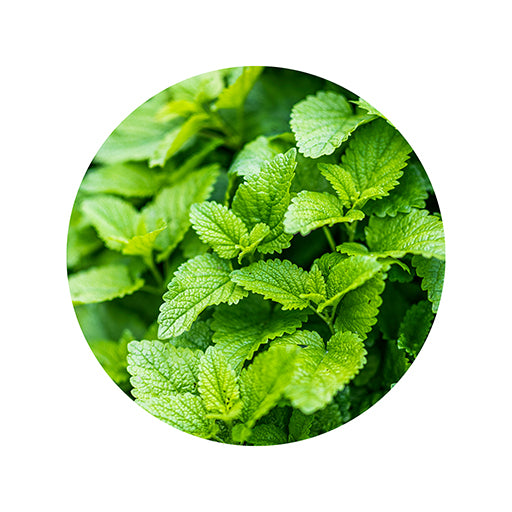
The Benefits of Lemon balm
Lemon Balm (Melissa officinalis) is a gentle herb from the mint family that has been used for centuries in European herbal medicine for its calming, mood-supporting, and digestive-soothing properties. It has a pleasant lemony scent and flavour, and is valued for its ability to promote relaxation without causing drowsiness.
Key Highlights
- Traditional European herb used for over 2,000 years
- Gentle calming effect without drowsiness
- Supports relaxation and sleep preparation
- May soothe digestive discomfort
- Contains rosmarinic acid and flavonoids with antioxidant properties
- Often combined with chamomile or valerian for enhanced effect
Biochemistry Timeline
Lemon balm's calming effects can be noticed within 30 to 60 minutes of consumption. For sleep support, taking it 30 to 60 minutes before bedtime is typical. Consistent daily use over 2 to 4 weeks may enhance the benefits.
Summary
Lemon Balm is a gentle, traditional European herb valued for its calming, mood-supporting, and digestive-soothing properties. It promotes relaxation without drowsiness, making it suitable for both daytime and evening use. Its pleasant flavour and mild nature make it a versatile addition to calming supplement formulations.
FAQs
Is lemon balm safe during pregnancy?
Lemon balm is generally considered safe as a culinary herb, but supplemental doses during pregnancy should be discussed with your healthcare provider.
Can I take lemon balm during the day?
Yes, lemon balm promotes calm without significant drowsiness, making it suitable for daytime use when you want to ease tension while remaining alert.
Research
Pasyar N et al. — BMC Complement Med Ther (2025). [Clinical trial]. https://pubmed.ncbi.nlm.nih.gov/40082838/
Oliveira MVB et al. — Int J Mol Sci (2025). [Narrative review]. https://pubmed.ncbi.nlm.nih.gov/41226605/
Rigillo G et al. — Children (Basel) (2025). [Review]. https://pubmed.ncbi.nlm.nih.gov/41007011/
Di Pierro F et al. — Nutrients (2024). [RCT (double-blind, crossover)]. https://pubmed.ncbi.nlm.nih.gov/39683592/
Mathews IM et al. — Nutrients (2024). [Clinical trial]. https://pubmed.ncbi.nlm.nih.gov/39458539/
Safari M et al. — BMC Complement Med Ther (2023). [Clinical trial]. https://pubmed.ncbi.nlm.nih.gov/37131158/
Dutta T et al. — Front Pharmacol (2022). [SR + meta-analysis]. https://pubmed.ncbi.nlm.nih.gov/35592415/
Zam W et al. — Front Biosci (Schol Ed) (2022). [Review]. https://pubmed.ncbi.nlm.nih.gov/35730441/
Ghazizadeh J et al. — Phytother Res (2021). [SR + meta-analysis]. https://pubmed.ncbi.nlm.nih.gov/34449930/
Haybar H et al. — Clin Nutr ESPEN (2018). [RCT]. https://pubmed.ncbi.nlm.nih.gov/29908682/
Shakeri A et al. — J Ethnopharmacol (2016). [Comprehensive review]. https://pubmed.ncbi.nlm.nih.gov/27167460/
Scholey A et al. — Nutrients (2014). [RCT (pilot)]. https://pubmed.ncbi.nlm.nih.gov/25517023/
Cases J et al. — Med J Nutr Metab (2011). [Pilot RCT].
Kennedy DO et al. — Pharmacol Biochem Behav (2003). [RCT (crossover)]. https://pubmed.ncbi.nlm.nih.gov/12587578/
14 studies — Lemon balm
Pasyar N et al. — BMC Complement Med Ther (2025). [Clinical trial]. https://pubmed.ncbi.nlm.nih.gov/40082838/
Oliveira MVB et al. — Int J Mol Sci (2025). [Narrative review]. https://pubmed.ncbi.nlm.nih.gov/41226605/
Rigillo G et al. — Children (Basel) (2025). [Review]. https://pubmed.ncbi.nlm.nih.gov/41007011/
Di Pierro F et al. — Nutrients (2024). [RCT (double-blind, crossover)]. https://pubmed.ncbi.nlm.nih.gov/39683592/
Mathews IM et al. — Nutrients (2024). [Clinical trial]. https://pubmed.ncbi.nlm.nih.gov/39458539/
Safari M et al. — BMC Complement Med Ther (2023). [Clinical trial]. https://pubmed.ncbi.nlm.nih.gov/37131158/
Dutta T et al. — Front Pharmacol (2022). [SR + meta-analysis]. https://pubmed.ncbi.nlm.nih.gov/35592415/
Zam W et al. — Front Biosci (Schol Ed) (2022). [Review]. https://pubmed.ncbi.nlm.nih.gov/35730441/
Ghazizadeh J et al. — Phytother Res (2021). [SR + meta-analysis]. https://pubmed.ncbi.nlm.nih.gov/34449930/
Haybar H et al. — Clin Nutr ESPEN (2018). [RCT]. https://pubmed.ncbi.nlm.nih.gov/29908682/
Shakeri A et al. — J Ethnopharmacol (2016). [Comprehensive review]. https://pubmed.ncbi.nlm.nih.gov/27167460/
Scholey A et al. — Nutrients (2014). [RCT (pilot)]. https://pubmed.ncbi.nlm.nih.gov/25517023/
Cases J et al. — Med J Nutr Metab (2011). [Pilot RCT].
Kennedy DO et al. — Pharmacol Biochem Behav (2003). [RCT (crossover)]. https://pubmed.ncbi.nlm.nih.gov/12587578/

The Benefits of Chamomile
Chamomile (Matricaria chamomilla) is one of the world's most beloved herbal remedies, used for centuries as a gentle aid for relaxation, sleep, and digestive comfort. Its calming properties come from compounds like apigenin, a flavonoid that binds to GABA receptors in the brain, promoting a sense of peaceful calm.
Key Highlights
- One of the most widely consumed herbal remedies worldwide
- Contains apigenin, a flavonoid that promotes calm through GABA receptor binding
- Supports relaxation and natural sleep preparation
- Soothes digestive discomfort with antispasmodic properties
- Gentle and suitable for daily use
- Long history of safe traditional use across many cultures
Biochemistry Timeline
Chamomile's calming effects can be felt within 30 to 60 minutes. For sleep, drinking chamomile tea or taking a supplement 30 to 60 minutes before bedtime is typical. Regular use over several weeks may enhance cumulative benefits.
Summary
Chamomile is one of the world's most trusted herbal remedies for relaxation, sleep, and digestive comfort. Its active compound apigenin promotes gentle calm through GABA receptor modulation. It is safe, mild, and suitable for daily use as part of a calming bedtime routine.
FAQs
Is chamomile safe during pregnancy?
Chamomile tea in moderate amounts is generally considered safe, but supplemental doses should be discussed with your healthcare provider. Those with ragweed allergies should use caution, as chamomile is in the same plant family.
Research
Firoozi Z et al. — Food Sci Nutr (2026). [Review]. https://pubmed.ncbi.nlm.nih.gov/41767834/
Valmy J et al. — Pharm Biol (2025). [SR + meta-analysis (11 RCTs)]. https://pubmed.ncbi.nlm.nih.gov/40665590/
Ostovar M et al. — Complement Ther Med (2025). [Systematic review]. https://pubmed.ncbi.nlm.nih.gov/40374153/
Kazemi A et al. — Complement Ther Med (2024). [SR + meta-analysis (10 RCTs)]. https://pubmed.ncbi.nlm.nih.gov/39106912/
Akhgarjand C et al. — J Diabetes Metab Disord (2023). [SR + meta-analysis]. https://pubmed.ncbi.nlm.nih.gov/38932814/
Zhang W et al. — Pharmacol Res (2022). [SR + network meta-analysis]. https://pubmed.ncbi.nlm.nih.gov/35378276/
Ebrahimi H et al. — Explore (NY) (2022). [RCT]. https://pubmed.ncbi.nlm.nih.gov/33454232/
Amsterdam JD et al. — J Altern Complement Med (2020). [RCT]. https://pubmed.ncbi.nlm.nih.gov/31808709/
Lopresti AL et al. — Phytother Res (2020). [Systematic review]. https://pubmed.ncbi.nlm.nih.gov/32310327/
Hieu TH et al. — Phytother Res (2019). [SR + meta-analysis (12 RCTs)]. https://pubmed.ncbi.nlm.nih.gov/31006899/
Chang SM & Chen CH — J Adv Nurs (2016). [RCT]. https://pubmed.ncbi.nlm.nih.gov/26483209/
Mao JJ et al. — J Clin Psychopharmacol (2016). [RCT (long-term)]. https://pubmed.ncbi.nlm.nih.gov/27912949/
Srivastava JK et al. — Mol Med Rep (2010). [Comprehensive review]. https://pubmed.ncbi.nlm.nih.gov/21132119/
Amsterdam JD et al. — J Clin Psychopharmacol (2009). [RCT (double-blind)]. https://pubmed.ncbi.nlm.nih.gov/19593179/
Chamomile sleep evidence (Multiple years). [Pilot RCTs + reviews]. General
15 studies — Chamomile
Firoozi Z et al. — Food Sci Nutr (2026). [Review]. https://pubmed.ncbi.nlm.nih.gov/41767834/
Valmy J et al. — Pharm Biol (2025). [SR + meta-analysis (11 RCTs)]. https://pubmed.ncbi.nlm.nih.gov/40665590/
Ostovar M et al. — Complement Ther Med (2025). [Systematic review]. https://pubmed.ncbi.nlm.nih.gov/40374153/
Kazemi A et al. — Complement Ther Med (2024). [SR + meta-analysis (10 RCTs)]. https://pubmed.ncbi.nlm.nih.gov/39106912/
Akhgarjand C et al. — J Diabetes Metab Disord (2023). [SR + meta-analysis]. https://pubmed.ncbi.nlm.nih.gov/38932814/
Zhang W et al. — Pharmacol Res (2022). [SR + network meta-analysis]. https://pubmed.ncbi.nlm.nih.gov/35378276/
Ebrahimi H et al. — Explore (NY) (2022). [RCT]. https://pubmed.ncbi.nlm.nih.gov/33454232/
Amsterdam JD et al. — J Altern Complement Med (2020). [RCT]. https://pubmed.ncbi.nlm.nih.gov/31808709/
Lopresti AL et al. — Phytother Res (2020). [Systematic review]. https://pubmed.ncbi.nlm.nih.gov/32310327/
Hieu TH et al. — Phytother Res (2019). [SR + meta-analysis (12 RCTs)]. https://pubmed.ncbi.nlm.nih.gov/31006899/
Chang SM & Chen CH — J Adv Nurs (2016). [RCT]. https://pubmed.ncbi.nlm.nih.gov/26483209/
Mao JJ et al. — J Clin Psychopharmacol (2016). [RCT (long-term)]. https://pubmed.ncbi.nlm.nih.gov/27912949/
Srivastava JK et al. — Mol Med Rep (2010). [Comprehensive review]. https://pubmed.ncbi.nlm.nih.gov/21132119/
Amsterdam JD et al. — J Clin Psychopharmacol (2009). [RCT (double-blind)]. https://pubmed.ncbi.nlm.nih.gov/19593179/
Chamomile sleep evidence (Multiple years). [Pilot RCTs + reviews]. General
Sustainably delivered and refilled, monthly.

Personalized Plan
-
 Pouches OnlyNo new tube each time
 -
Fully CompostableBreaks down completely
-
All PaperNothing to sort


Glass Bottles
-
Refill BagsFits into your day
-
Less PackagingLighter every reorder
-
Glass Built to LastReuse for years
Try it for 90 days completely risk-free.

Formulated without gluten, dairy, corn and common allergens.

Manufactured to the highest standards with GMP, ISO22000, HACCP.

Continuously tested and approved by Fødevarestyrelsen.
Questions?
We're here to help.
Sleep+ supports your body’s natural relaxation and sleep cycle by combining calming amino acids, soothing plant extracts, and magnesium to help reduce stress and promote restful nights.
If you feel your sleep or relaxation could use a natural boost, Sleep+ may be helpful. To get personalised guidance, we recommend using our free online health assessment—just click the "Take Test Now" button on our website. It provides tailored supplement suggestions based on your unique needs, no subscription required.
Take one capsule each evening, ideally about 30 minutes before bedtime, to help your body unwind and prepare for restful sleep.
Generally, Sleep+ can be combined with other supplements. To be safe and get the best personalised advice, we encourage you to take our free health assessment on the website by clicking the "Take Test Now" button. It only takes a few minutes and helps guide you to the right supplement choices, without any subscription needed.
We recommend taking Sleep+ with some food, ideally in the evening. This helps improve absorption and reduces any chance of stomach discomfort.
This product is not recommended for pregnant or breastfeeding women. Please seek advice from your doctor before using any supplements during this time.
Yes, Sleep+ is suitable for long-term use as part of your daily routine. However, it’s always a good idea to check in with your health practitioner periodically.
Side effects are rare but some people may experience mild digestive discomfort. If you notice any unusual reactions, please stop use and consult your healthcare professional.
If you are taking any medications or under medical supervision, please consult your healthcare professional before starting this supplement. They can advise you on any possible interactions to ensure your safety.
While some ingredients like magnesium and chamomile can be found in food or teas, Sleep+ provides a targeted and convenient daily dose of L-Tryptophan and other calming ingredients to specifically support your natural sleep and relaxation processes.
Most people notice improved relaxation and sleep quality within a few weeks of regular use. Remember, consistent daily intake is key to experiencing the full benefits.
This product comes as one capsule per day, so just take that single capsule once daily, preferably in the evening.
If you forget to take a dose, simply continue with your next usual dose the following day. Avoid doubling up to make up for missed capsules.
Sleep+ is designed for adults and is not recommended for children. Older adults can use it, but we suggest consulting a healthcare provider to confirm it fits your personal health needs.
Sleep+ is vegan and free from common allergens, but it is manufactured in a facility that handles allergenic materials. If you have severe allergies, please take this into account.
Our Vitamins are manufactured in the UK under strict GMP (Good Manufacturing Practice) standards. It’s then handled and packed in Denmark with full traceability. Each batch undergoes rigorous quality and safety checks to ensure purity, potency, and consistency , so you always know you're getting exactly what’s on the label.
Yes, Sleep+ is fully vegan, made with plant-based ingredients and a vegan capsule shell, perfect for those seeking clean, ethical supplements.
Every 30 days we prepare a fresh delivery of your personalized supplements. Your first order arrives in a reusable dispenser box, and every refill after that comes in a biodegradable pouch that slots straight into your dispenser. There's no lock-in, so you can pause, skip, or cancel anytime from your account.
Subscribers save 16% on every delivery, applied automatically. No setup fees, no hidden charges. The discount stays the same as long as your subscription is active.
Yes. You can pause, skip, or cancel anytime from your account dashboard with no minimum commitment and no cancellation fee. If you pause or skip, your next delivery simply waits until you're ready to resume.
Your payment method is charged 3 to 5 days before your next scheduled dispatch date, so your shipment arrives before your current supply runs out. You can view the exact date anytime by logging into your account.
Your first order includes the reusable dispenser box plus your personalized daily supplement pouches. Every refill after that comes in biodegradable pouches that slot straight into your existing dispenser, so you're only replacing what needs replacing.
Our free 3-minute health quiz asks about your body, lifestyle, diet, goals, and any health concerns. The algorithm then matches you to the nutrients your body is most likely to need, drawing on peer-reviewed research and EFSA-approved evidence. No guesswork, no one-size-fits-all.
Yes. You can retake the quiz anytime to refresh your recommendation, or add, swap, or remove individual supplements from your account dashboard. Your plan evolves with you.
Our supplements are formulated to EU safety standards and produced in certified facilities. The quiz screens for interactions with anything you're already taking and flags potential conflicts. For specific medical conditions or prescription drugs, we always recommend checking with your doctor before starting.
Orders are dispatched within 1 to 3 business days of payment. Delivery typically takes another 2 to 10 business days depending on your location and chosen carrier. Once your order ships, you'll receive a tracking link by email so you can follow it the whole way.
We currently ship to Denmark, Scandinavia, and select European countries. Available delivery areas are shown at checkout. If your country isn't listed, email support@persona-path.com and we'll see what's possible.
First-time customers are covered by our 30-day money-back guarantee. If you're not fully satisfied with your first purchase, email support@persona-path.com within 30 days and we'll refund you in full. You don't need to return the supplements, and refunds are processed to your original payment method within 5 business days of approval.
Yes. In addition to our 30-day guarantee, EU law gives you a 14-day right of withdrawal from the day you receive your order. Email support@persona-path.com within 14 days and we'll refund the full purchase price, including standard delivery, within 14 days of your request.
Email support@persona-path.com within 7 days with your order number and a photo of the issue. We'll arrange a free replacement or issue a full refund for the affected product. We cover all costs in these cases.
Yes. Your quiz answers are processed under GDPR with your explicit consent and used only to generate your personalized plan. We never sell your data or share it with advertising platforms. You can request deletion at any time. Full details in our privacy policy.
Our quiz screens for pregnancy, breastfeeding, and major health conditions, and the algorithm adjusts your recommendations accordingly. We're not a substitute for medical advice, so please check with your doctor before starting any new supplement if you're pregnant, breastfeeding, or managing a health condition.